Reading the weather above the valley

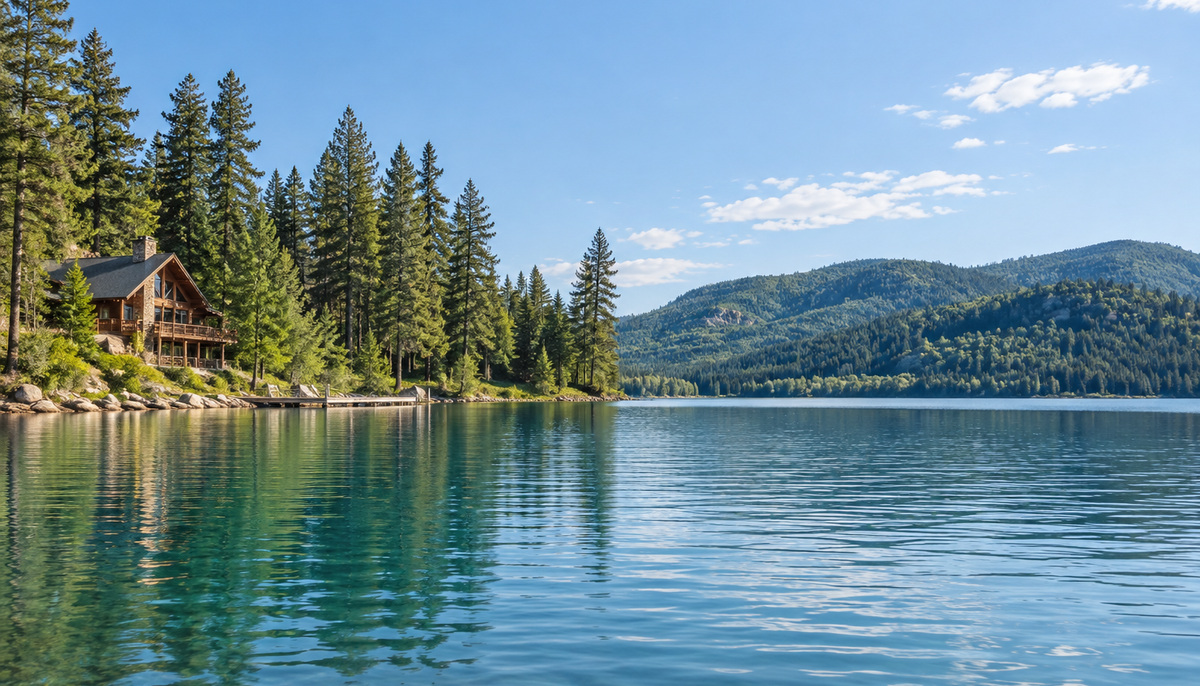
From below, the ridge can look like a single clean line. Higher up, that line breaks into folds, exposed ground and weather moving across the slope. Planning a mountain day means making room for everything the distant view leaves out.
Merefold Valley is the setting for a holiday, not a promise that every hillside belongs on your itinerary. A walk above the trees asks different questions from a stroll beside the lodge. Experience, footwear, visibility and the confidence of the whole group all matter. Before selecting a route, be honest about the sort of ground you are used to and how you feel when a clear path becomes less obvious. Ambition is useful only when it stays connected to those answers.
Tessa Brook encourages visitors to compare more than the symbols on a forecast. Look at how conditions may change during the outing and what that would mean on exposed ground. A still morning in the valley does not describe the wind further up. Low cloud can remove landmarks that looked unmistakable in a photograph, while rain can alter footing long after it has passed. Obtain current local information and use an appropriate map. If you are uncertain about interpreting a route or its conditions, seek qualified guidance rather than trying to make uncertainty disappear by packing another layer.
Decide what would make you turn back
The most useful turning point is chosen before anyone becomes attached to reaching the top. It might be a change in conditions, a member of the group feeling tired, or simply the agreed moment to head back. Talk about those decisions together. Someone who is uncomfortable should be able to say so without having to argue against the effort already spent getting there. The landscape will still be there another day, and a thoughtful return can be as satisfying as continuing. Keep enough food, water and energy for the descent, which is part of the journey rather than an afterthought.
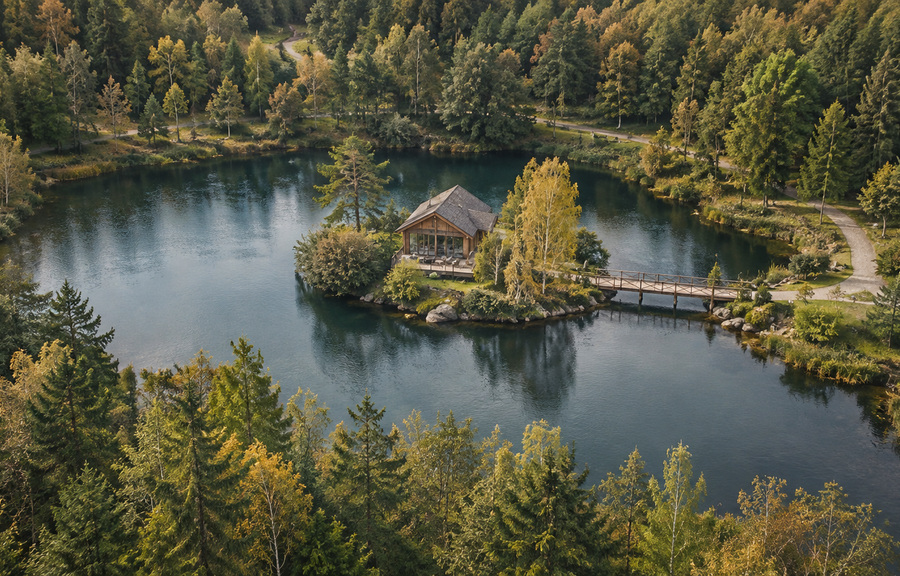
There is much to enjoy below any summit. The way light travels over a slope, a sheltered place to rest and the widening view back towards the lake can each become the centre of an outing. Taking time to look also helps you notice changing conditions. A photograph is worth waiting for only when the place you are standing remains comfortable and appropriate.
A plan should give you choices while you still have energy to use them. Turning back is a decision, not a failed version of reaching a summit.
— Tessa Brook, woodland guide
Give someone your intended plan and expected return, especially if you will be away from familiar areas. Understand what to do if the plan changes or help is needed. Mobile coverage can be unreliable in hills, so carrying a phone does not remove the need for preparation or sound navigation.
Bring the day home comfortably
Back at Alder Mere, the story of a day above the valley need not end with a highest point. We are just as interested in the unexpected shelter where you ate your lunch, the change of route that suited your group, or the view that appeared through a break in the cloud. Leave wet equipment in the appropriate drying place and tell your contact that you have returned. Then give yourself an unhurried evening. A demanding walk often makes simple food and a comfortable chair more appealing than another planned activity, and there is no reason to make the day busier than it needs to be.
When discussing a stay, describe your walking experience and the kind of hill day you are considering. We can help identify the information you should seek before setting out. Route conditions and your own judgment must still guide the decision when the day arrives.