A small place, closely noticed

There is a particular pleasure in returning to a place you nearly overlooked. A bend in the path, a patch of shade or the edge of a stand of trees can become familiar without ever becoming quite the same.
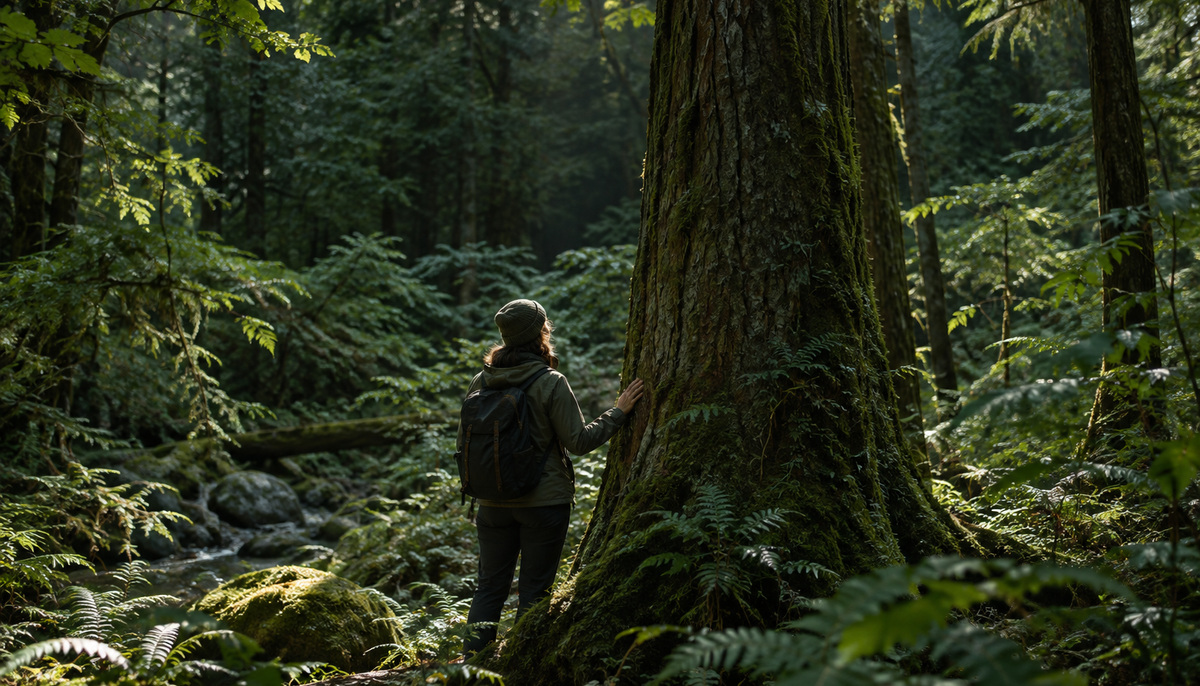
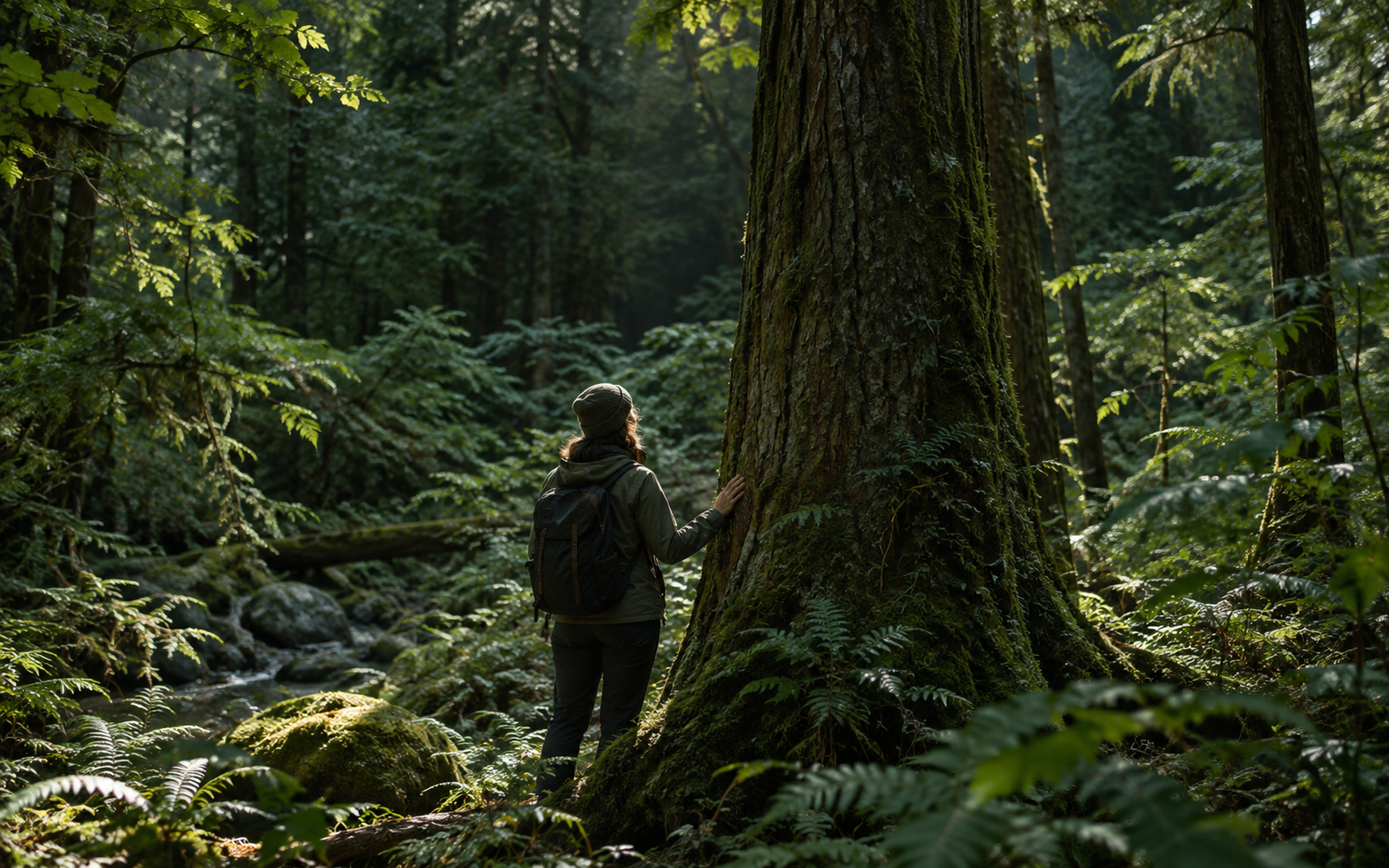
Alder Mere sits within the imagined landscape of Merefold Valley, where the smallest part of a day outside can deserve its own story. You might pass a tree on the way to breakfast and notice only its outline. Returning later, you see the shape of a branch over the water or the changing colour of the ground beneath it. Nothing remarkable has been added to the scene. You have simply arrived with a different amount of attention.
That is why a favourite place need not be a secret viewpoint or the destination at the end of a demanding walk. It can be somewhere you reach easily and feel comfortable remaining. A view becomes interesting through repeated visits: where the wind catches it, which sounds carry across it, how the light changes your sense of distance. Familiarity gives you something to compare. Instead of asking whether the place is impressive enough to deserve your time, you begin noticing what your time there allows you to see. The question becomes smaller, and the experience often becomes richer because of it.
Keep a note before you name the thing
Try carrying a notebook without deciding that you must produce a beautiful page. A few words about the weather, a rough outline of the bank or a description of a sound can be enough. Write what you can actually observe before reaching for an explanation. If a plant is unfamiliar, describe its leaves rather than guessing a name. If a bird disappears before you see it clearly, record the movement that caught your attention. Those incomplete observations keep a visit honest. They also make room for curiosity, which can survive quite happily without an immediate answer or a finished picture.
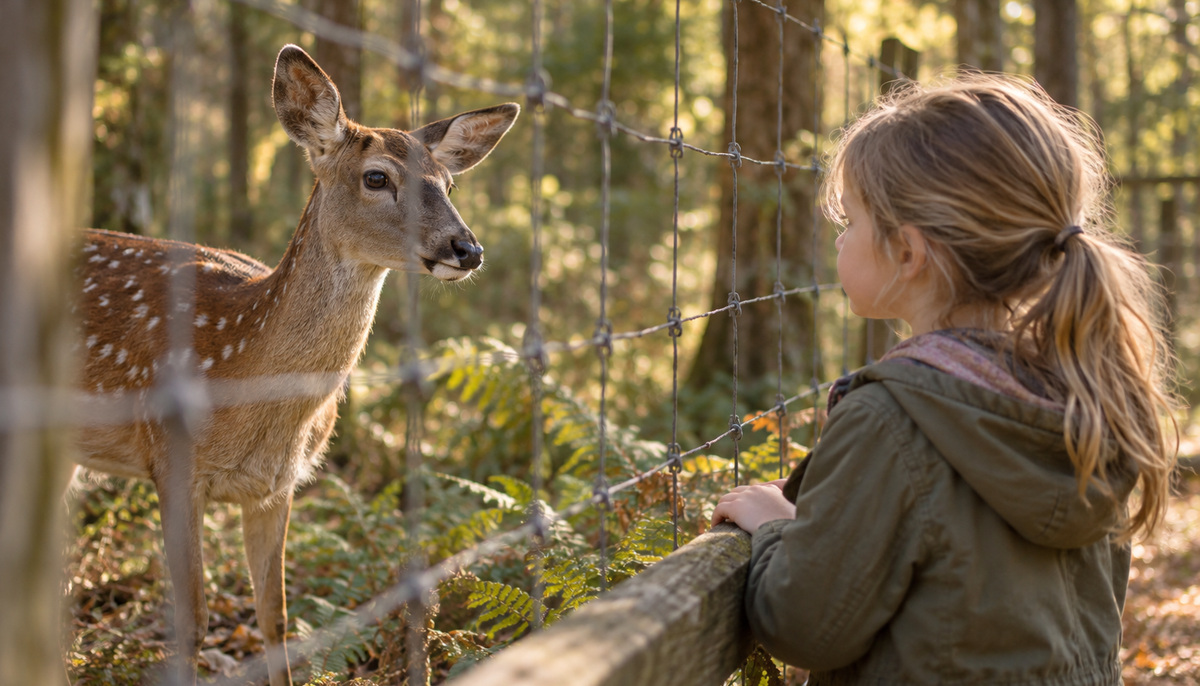
The same idea works when children are part of the walk. Let each person choose one detail to share on the way back. The answers may have little in common: a curved twig, a bright patch on the water or the sound of shoes on different ground. Comparing those choices reminds adults that a landscape is not experienced in only one correct order.
I like hearing about the place someone returned to, even when they cannot say why. A holiday sometimes settles around a detail that never appears on a map.
— Cora Vale, lodge host
Attention does not require collecting a souvenir. Leave plants, stones and other natural objects where they belong, and follow the guidance for the place you are visiting. A note or a memory can carry the interest home. The next visitor may find something worthwhile in exactly the detail that first caught your eye.
The comfort of a familiar corner
Cora Vale, our lodge host, likes the way familiar surroundings allow a holiday to settle. The first visit is often full of questions about where things are and what to do. Later, a guest may know which sort of place feels comfortable after breakfast or where they would like to pause before supper. That recognition can make even a short stay feel less hurried. It does not depend on seeing every attraction. Sometimes it comes from allowing one modest part of the landscape to become part of the daily rhythm, then returning often enough to notice a small change that would otherwise have passed unseen.
You do not need an itinerary for that sort of discovery. Choose an appropriate place, allow enough time to become comfortable, and see what holds your attention. The valley can remain larger than your plans while one small corner begins to feel familiar.