Letting the season onto the plate

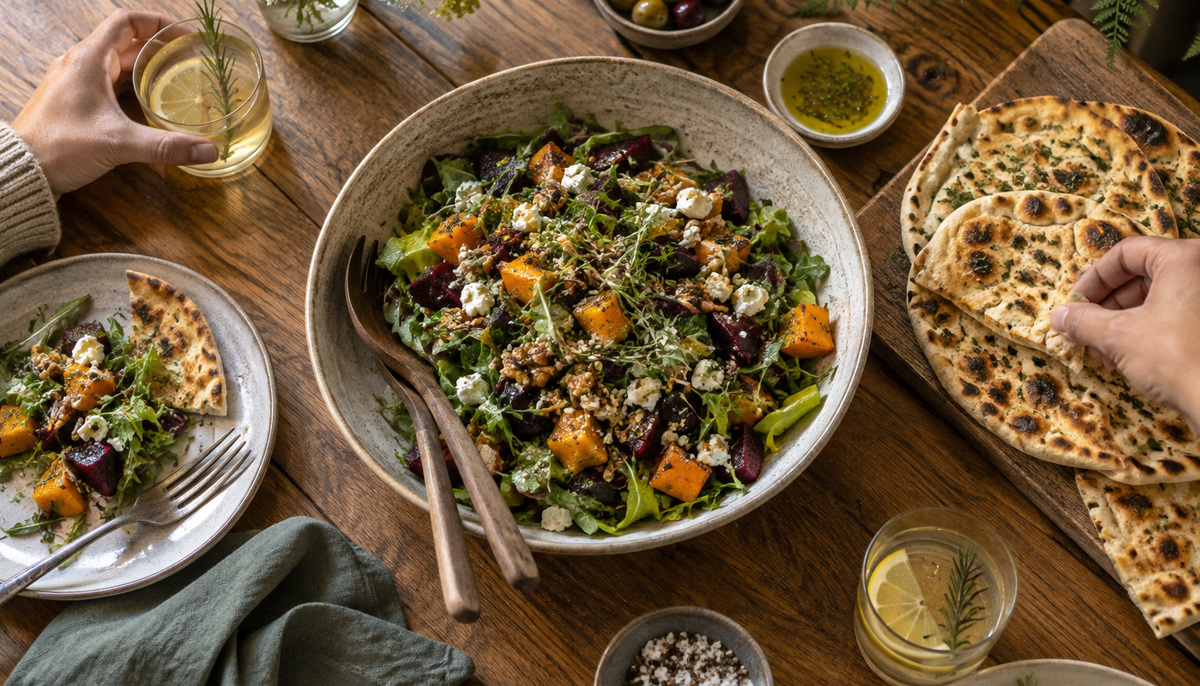
In Nico Fen's kitchen notebook, a dish often begins with a texture. Something crisp beside something soft, a warm spoonful against a fresh leaf, or enough sharpness to wake up a quiet ingredient. The season supplies the questions before the recipe supplies an answer.
At The Alder Table, planning starts with how people will eat. Guests returning from a walk may want a generous, warming plate, while someone arriving for a conversation over lunch might prefer something lighter. Nico considers both without trying to make every dish do everything. A meal needs its own balance, and a menu needs enough variation for different appetites. That is why the kitchen's first discussion is often about the overall shape of a plate rather than its most expensive ingredient.
Take a bowl built around grains and vegetables. The grains can provide warmth and substance, while roasting gives a vegetable a different character from leaving it raw. A dressing adds brightness, and a final crisp element keeps the mouthful interesting. Each part needs to earn its place. Nico tests whether a component improves the dish or simply makes the description longer. If removing it makes the food easier to understand without losing pleasure, the simpler version may be the better one. This is a way of thinking about cooking, rather than a promise that any particular bowl appears on the current menu.
Build a meal, not just a photograph
The same attention applies when the kitchen plans a shared table. A dish that looks appealing on its own must also sit comfortably beside the others. Rich food needs something fresh, soft textures benefit from contrast, and guests should be able to recognise what they are choosing. Nico and the team discuss how food will be served and explained, particularly when alternatives are needed. A thoughtful meal should not make a guest feel that asking about an ingredient is interrupting the occasion. Clear information belongs with the food, from the first menu description to the final conversation at the table.
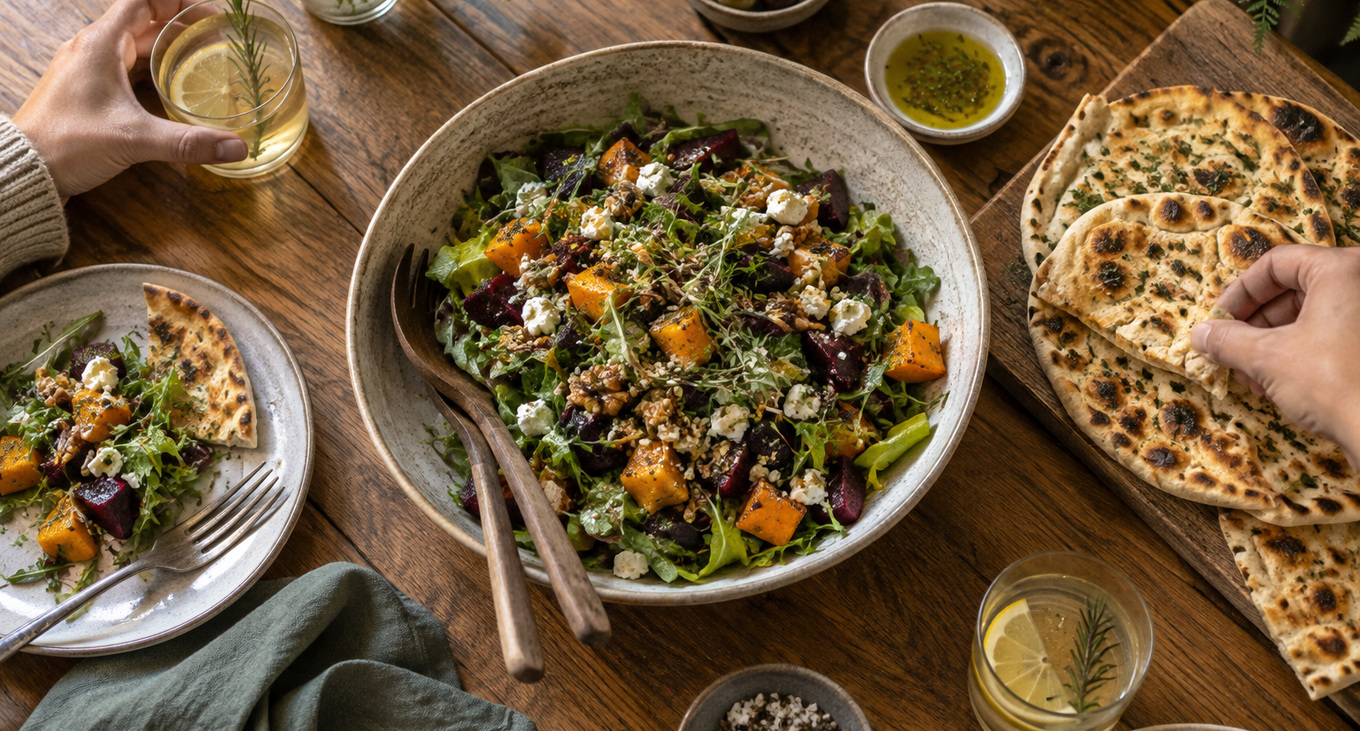
Seasonal cooking also invites restraint in its language. A dish can be satisfying without being described as the finest, the purest or the most authentic version of anything. We would rather explain what is in it, how it is prepared and what sort of meal it makes. Questions about ingredient origins deserve specific answers from current information, not a vague reference to the surrounding landscape.
An ingredient should make sense in the next mouthful. I would rather give a familiar vegetable a clear purpose than crowd the plate with reasons to admire it.
— Nico Fen, head chef
Guests with allergies or other dietary requirements should raise them when planning a visit and discuss them again with the team as needed. Recipes, ingredients and preparation arrangements can change. No general journal article can confirm the suitability of a particular meal, and no appealing description should stand in for that conversation.
The useful work behind a good plate
Away from service, Nico keeps notes about what worked and what asked too much of the plate. Sometimes the useful change is a different cut, a shorter description or a serving dish that makes a shared meal easier. The kitchen's work includes those ordinary details as well as the moments that look good in a photograph. We hope that care reaches the dining room as a sense of ease: enough explanation to choose confidently, enough time to enjoy the food and a meal that fits the day you are having. A memorable table can begin with very familiar ingredients handled thoughtfully.
Use Plan a table visit to outline the occasion and any questions about the meal. The current menu and the team's ingredient information should guide your choice. This notebook offers a glimpse of the thinking behind the cooking, with room left for the season to change.