Mira and Leon make room for everyone

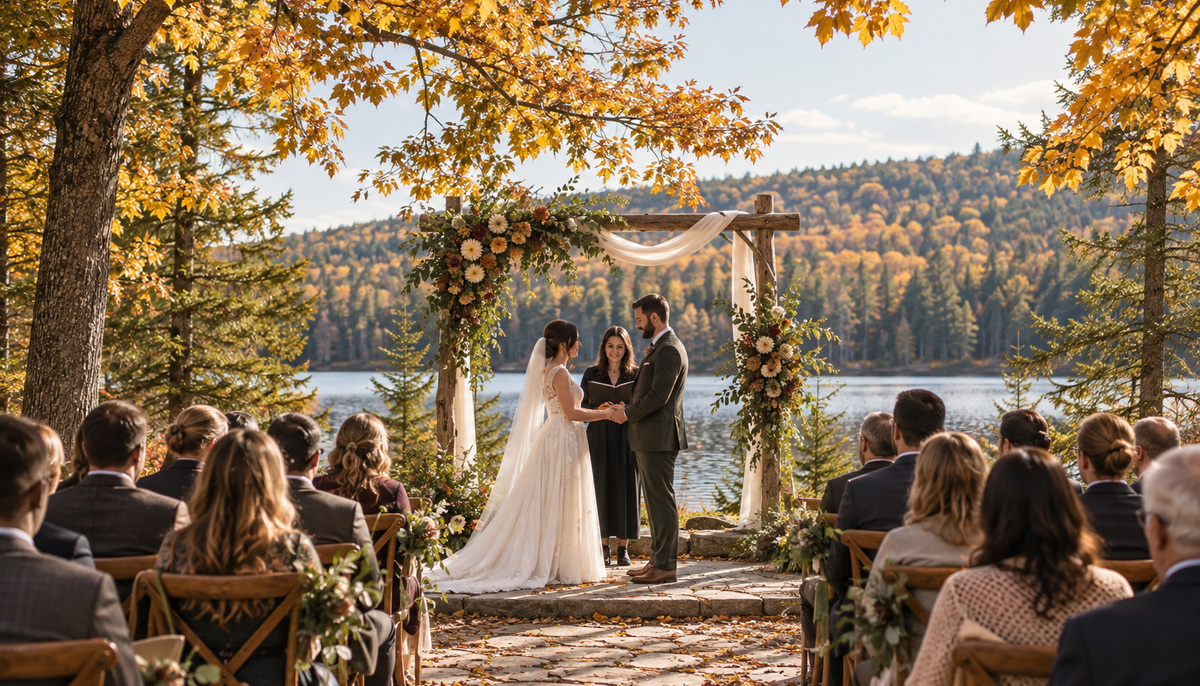
Mira and Leon began their wedding conversation with a list of people, rather than a list of decorations. Some loved dancing, some needed a quiet seat, and several would be meeting for the first time. That became the shape of their day.
Their first appointment with Ellis Reed, our events coordinator, was mostly a conversation about how the gathering should feel. They wanted time to speak with relatives without disappearing from their own celebration, and a meal that encouraged people to pass dishes and talk. Before choosing flowers or music, they marked the moments when guests would arrive, move between spaces and need someone to explain what happened next. The practical sketch gave their ideas somewhere to land.
The couple treated invitations as useful information as well as a welcome. Guests were asked to share dietary requirements and anything that would make moving around the venue easier. They received a clear outline of the day, with travel and accommodation questions kept separate from the celebration itself. No one was expected to work out an unfamiliar place from a mood board. Ellis kept a working version of the arrangements so that a changed arrival plan did not become a chain of contradictory messages. That left Mira and Leon free to have conversations that were actually about getting married.
A meal that starts conversations
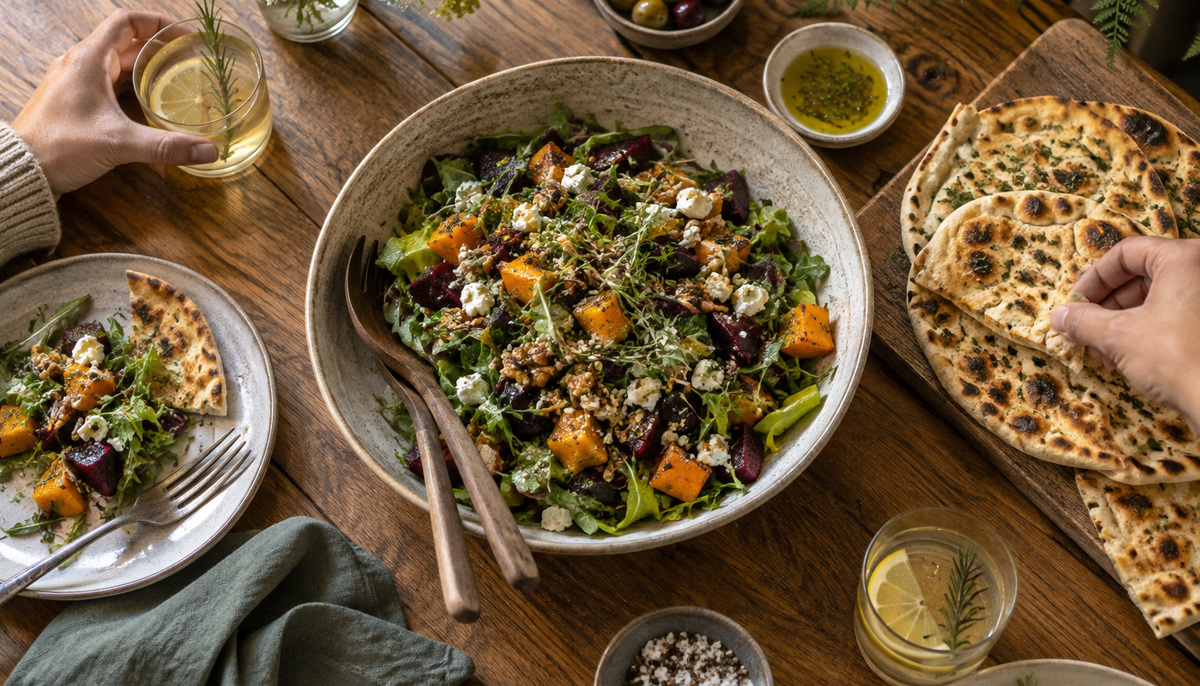
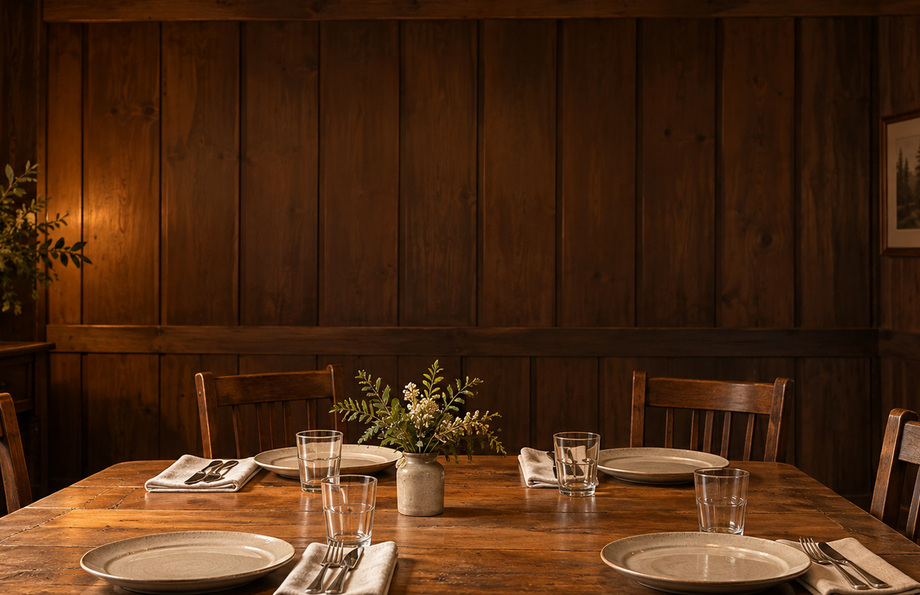
At The Alder Table, Nico Fen helped them think about serving a shared meal without making every guest eat the same thing. They discussed how dishes would reach the tables, which alternatives needed individual attention and where explanations should appear. The table plan left space for those conversations and for serving staff to move comfortably. Simple decorations stayed low enough for people to see one another. A handwritten welcome at each place gave the room a personal note without asking the table to carry a collection of objects that would soon have to be moved.
They also agreed on a quieter corner away from the busiest part of the gathering. It was somewhere to settle a tired child, talk with an older relative or take a brief pause without feeling that the day had been left behind. Ellis included that space in the guest information instead of expecting people to discover it when they were already overwhelmed.
We wanted our guests to feel that there was a place for them, whether they were first onto the dance floor or happier talking quietly.
— Mira, fictional wedding host
The couple's weather plan was decided while the sky was still irrelevant. They knew which arrangements could move, who would make that call and how guests would hear about it. A change would affect the setting, but it would not require them to redesign the purpose of the occasion.
Leave room for the unplanned moments
As the evening unfolded in this imagined celebration, the most successful details were the ones that demanded little attention. Coats had a place, people understood where to go, and there was time between the meal and the next activity. A relative could finish a story without being hurried towards a photograph. Those pauses gave the day its character. Mira and Leon had chosen a few things that mattered deeply to them, then allowed the rest to support those choices. The result was a gathering with enough structure to feel welcoming and enough looseness for the guests to become part of it.
If you are beginning your own outline, start with the people you hope to gather and the moments you want to share. Ellis can help you turn that description into useful questions about spaces, food and the flow of the day.