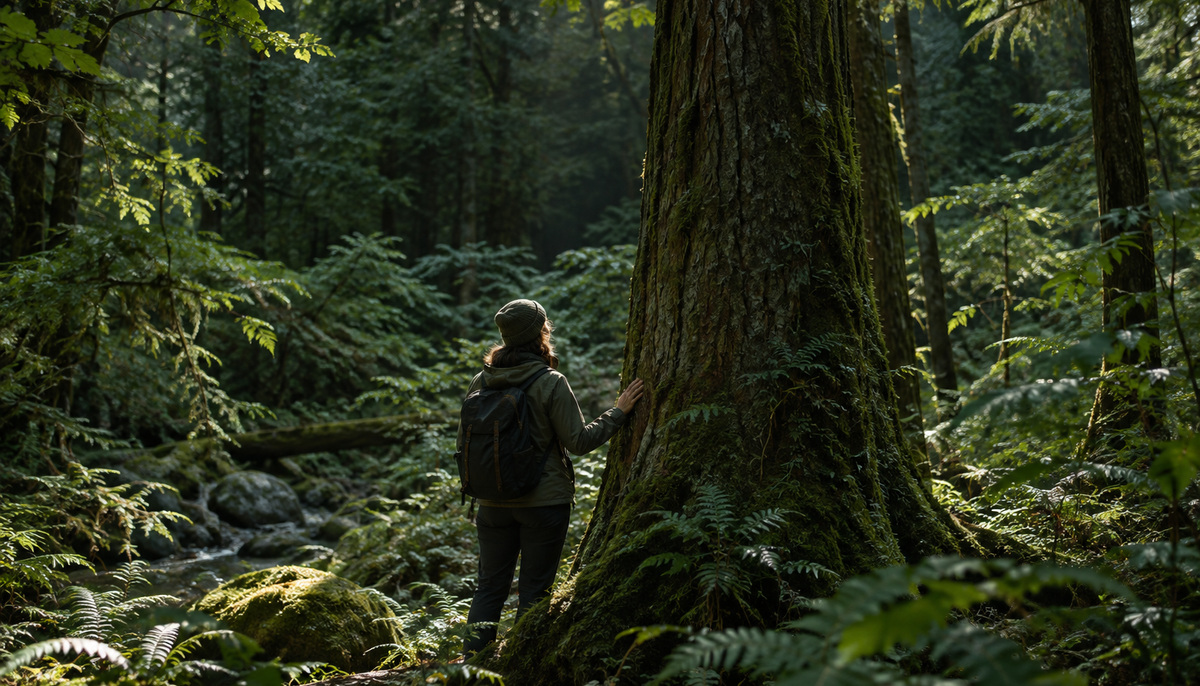
The wildlife walk begins with a pause

At the edge of the wildlife area, Tessa Brook asks visitors to pause before looking for anything in particular. Listen to the movement around the path, let your eyes adjust to the shade, and notice how much is already happening beyond the nearest sign.
People arrive with different hopes. Children may have a favourite animal in mind, while adults sometimes want a photograph that matches the picture they saw before travelling. Those expectations are understandable, but they can narrow a visit before it has begun. An animal may be resting out of sight, and a useful viewing place may already be occupied by another family. Treating the walk as an opportunity to observe, rather than a sequence of things to collect, gives everyone more room.
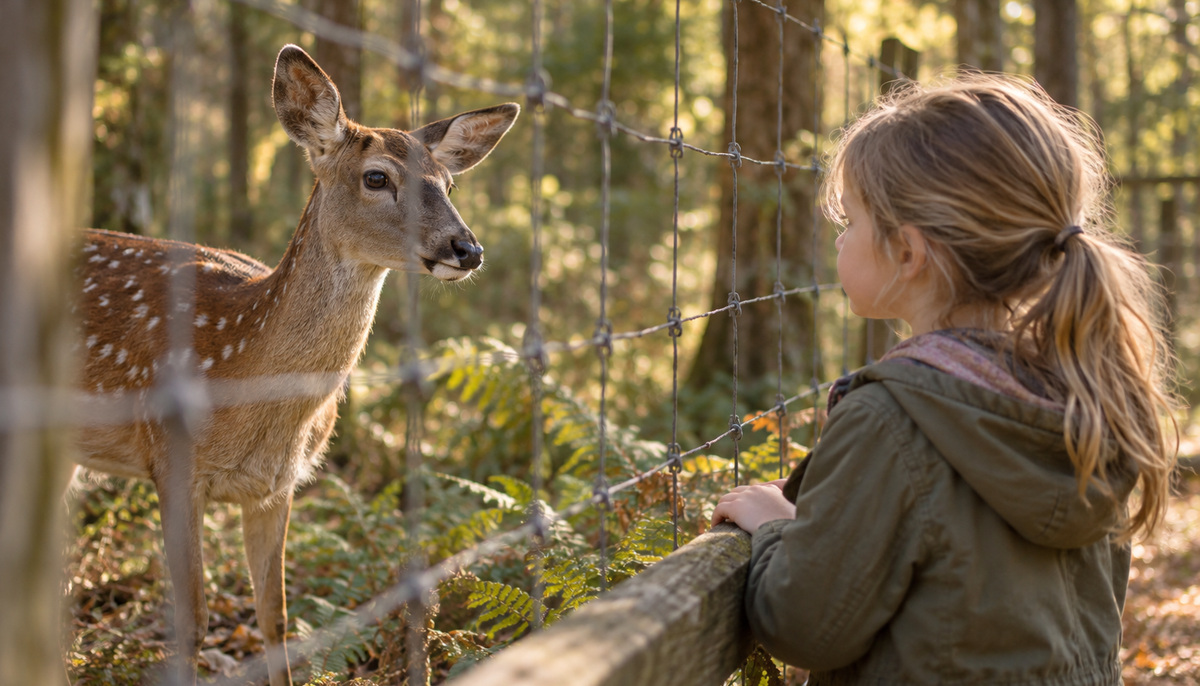
The wildlife area should be approached through its current visitor information. Follow the marked routes and any guidance at individual viewing points, and ask if a sign leaves you uncertain. Food brought for your own walk should stay with you; visitors must not assume that an animal can be fed because it appears interested. Keep hands and belongings where they belong, outside barriers and away from enclosures. These are simple habits, but they matter most when excitement makes it tempting to lean a little further or call for an animal's attention. Adults can help by discussing expectations before children reach the first stop.
Watch without asking for a performance
Tessa suggests giving each pause a small question. What can you hear when the group stops speaking? Is the animal using the open ground or the shaded edge? Which parts of the surroundings make it difficult to see? A question keeps attention active without requiring an animal to perform. It also gives children something worthwhile to report even when the expected subject remains hidden. A sketch of a leaf, a note about movement or a careful description of a sound can become a record of the visit that is more personal than another hurried picture taken through the same gap.
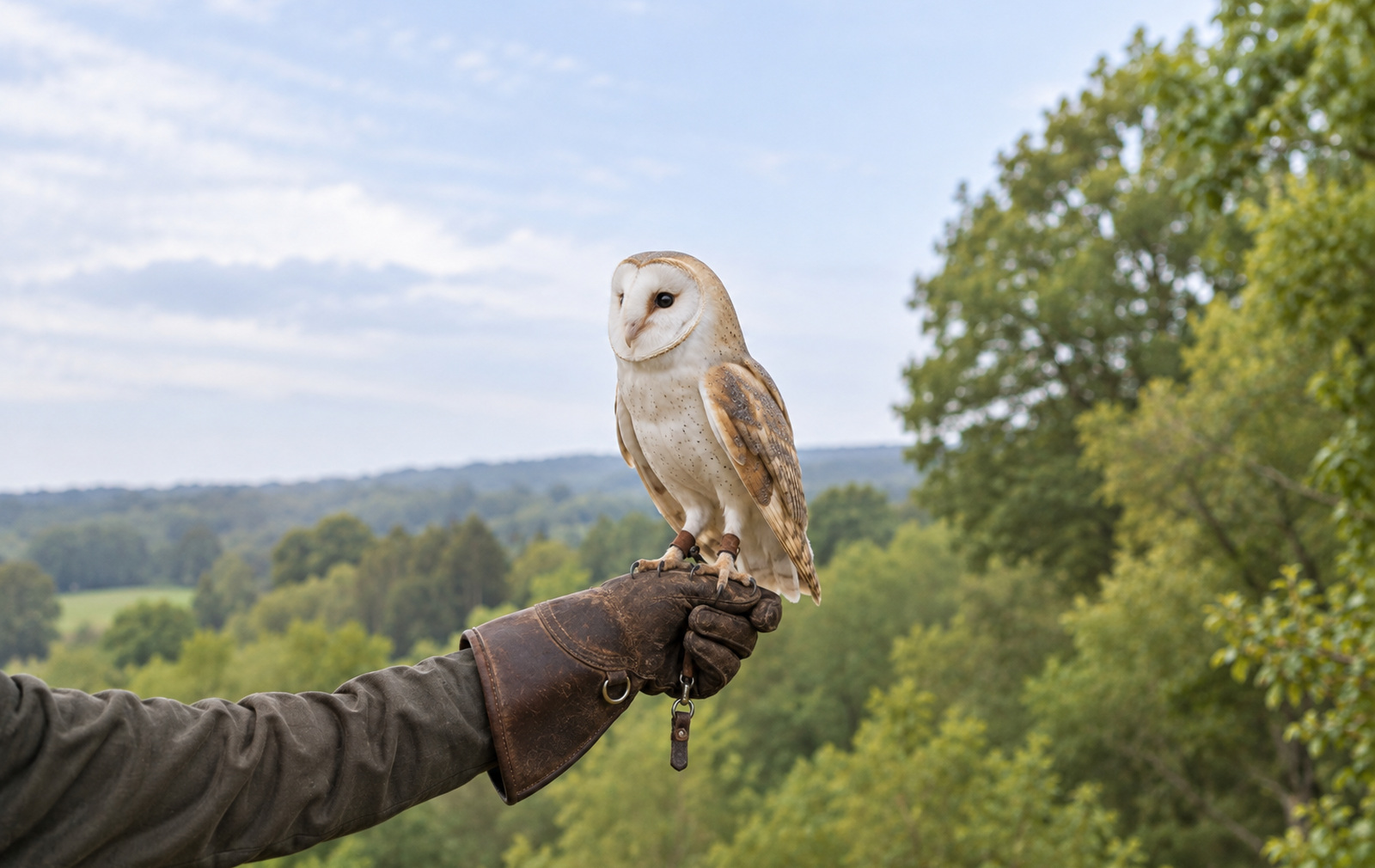
Photography works best when it fits around the visit. Turn off sounds that might disturb others, follow any local restrictions and allow the next person a turn at a narrow viewing point. If the angle would require reaching beyond a barrier, it is the wrong angle. The most considerate photograph may be the one you decide to leave untaken while something settles back into its surroundings.
You do not have to name everything you notice. Start with an honest description, and leave enough quiet for the next detail to reveal itself.
— Tessa Brook, woodland guide
A quieter approach also makes it easier to notice the place between the enclosures. Trees, changing ground cover and the weather shape how a walk feels. You do not need to identify every species to pay attention. Recording what you actually saw is more useful than confidently naming something you did not recognise.
A visit that suits your group
Before setting out from the lodge, consider how the visit fits your group. Ask about the current route, surfaces and any restrictions that affect your plans. A wildlife walk need not fill an entire day to be worth doing, and it is sensible to leave before a tired child turns every stop into a negotiation. Bring what your group needs and keep the return straightforward. Afterwards, compare the details each person noticed. One may remember a bird's movement, another the pattern of light beneath a tree, and another the discovery that standing quietly changed what they could hear around them.
For families planning a stay, tell Rowan Ellis what would help everyone enjoy time outside. She can point you towards the questions to ask about the wildlife area. Sightings remain uncertain, but a thoughtful visit can still leave you with plenty to talk about.