Explore Relay & Quay

Relay & Quay / Planning notes

A business built around the handover.

Relay & Quay is a fictional logistics-planning brand created to make a complex enquiry readable. Its working idea is simple: keep the physical cargo, the transport boundary and the receiving decision on the same page.

The examples do not represent a carrier network or an operating history. They show how a planner might organise the questions before approaching a real provider. A route is useful only when the people at its ends know what they are expected to release and receive.

Seven places. Connected questions.

Seven illustrative city nodes connect the stories in this demo. Select a marker or use the complete location list to read the same information. A point on this diagram is not a staffed office or a service availability claim.

Illustrative city connections. Diagram positions are schematic; these are not physical offices.

All seven city nodes

  • RotterdamNetherlands

    A sea-to-road example connecting a container terminal, a cross-dock and a regional receiving slot.

  • HamburgGermany

    A regional planning node for spare-parts storage and the illustrative northbound rail connection.

  • GothenburgSweden

    The northern receiving node in the intermodal exercise; final unloading requires its own appointment.

  • ValenciaSpain

    A road-network endpoint used to separate a linehaul window from a timed exhibition delivery.

  • SingaporeSingapore

    The Asian consolidation example links supplier receiving checks with sea and air dispatch choices.

  • BusanSouth Korea

    An origin terminal in the ocean plan; factory collection and export release are outside the displayed lane time.

  • HalifaxCanada

    The Atlantic example ends at a terminal handover, before inland clearance and final delivery.

7

Illustrative network nodes

8

Directional planning lanes

3

Transport mode families

4

Fictional desk views

12

Original planning articles

The planning desk.

Three fictional editorial roles give the planning examples consistent ownership. Their biographies explain the questions they address; they are not real contacts or professional endorsements.

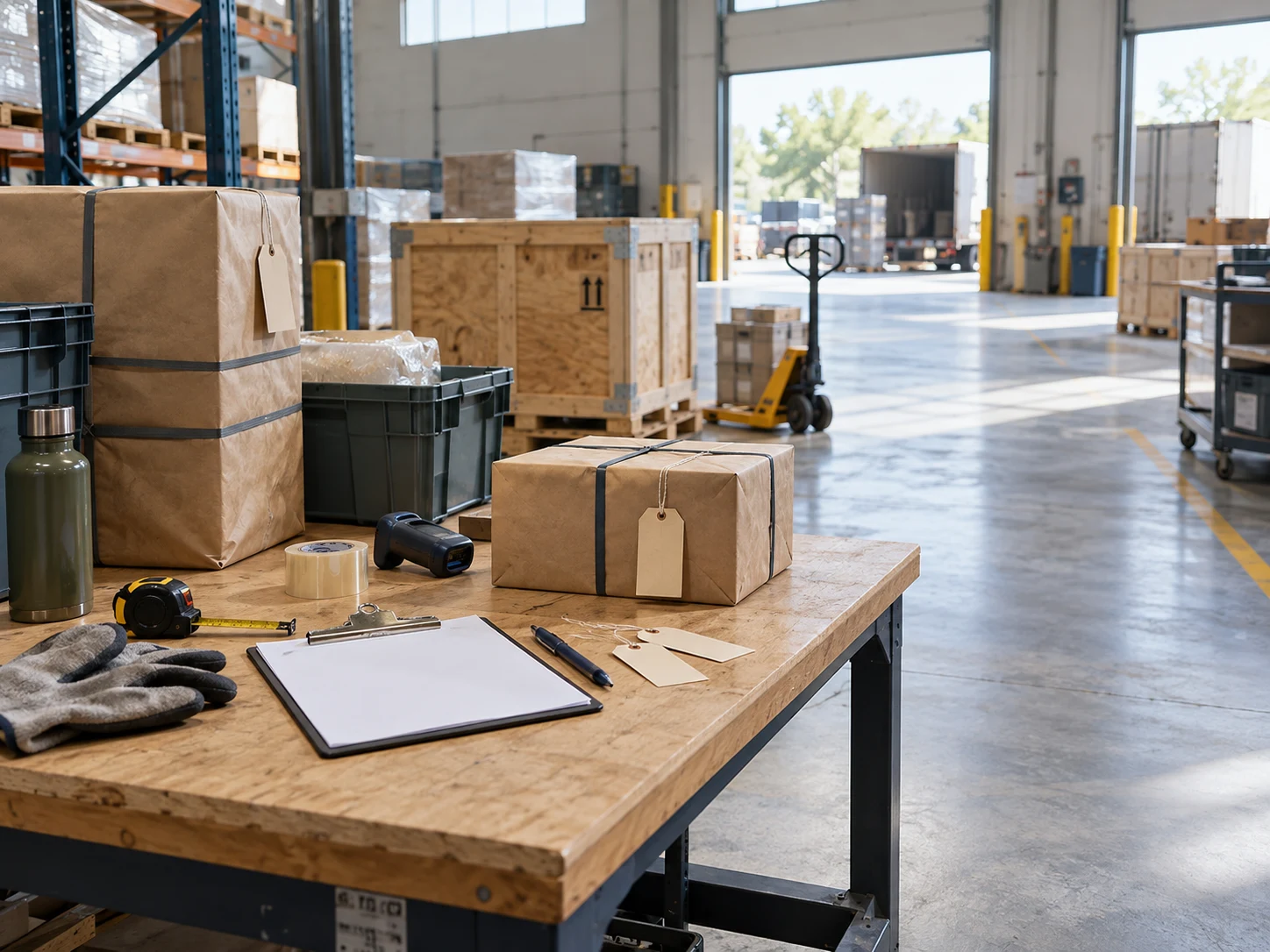
Receiving workspace with packed boxes, handling tools and a clipboard.

Fictional editorial role

Mara Iven

Ocean planning lead

Mara is the fictional editor of the ocean planning desk. Her work in these examples connects cargo readiness, terminal cut-offs and the information needed by the receiving team. She asks which part of a delivery window is a constraint before selecting a sailing.

Read profileOpen local desk
Receiving workspace with packed boxes, handling tools and a clipboard.

Fictional editorial role

Eli Navarro

Network and projects lead

Eli develops the illustrative road, rail and project handovers in this demo. His planning notes keep loading access, lifting responsibility and an agreed exception owner beside the route itself. He treats an unconfirmed connection as a question to resolve, rather than a promised service.

Read profileOpen local desk
Receiving workspace with packed boxes, handling tools and a clipboard.

Fictional editorial role

Sana Kei

Cargo and receiving lead

Sana writes the receiving and air-cargo examples. Her focus is the information that survives a handover: package counts, dimensions, condition records and the instruction to stop when labels disagree. Her role here is fictional and does not imply a professional accreditation.

Read profileOpen local desk

What a usable brief contains.

Eighteen practical checks are grouped around the load, the movement and the receiving decision.

The cargo

  • Plain-language goods description
  • Packed-piece count
  • External dimensions
  • Total packed mass
  • Handling restrictions
  • Document owner

The movement

  • Origin boundary
  • Destination boundary
  • Cargo-ready assumption
  • Mode suitability review
  • Connection question
  • Exception decision owner

The receipt

  • Receiving slot
  • Unloading method
  • Package reconciliation
  • Condition record
  • Release authority
  • Return or onward plan

Better questions before better claims.

Our environmental approach begins with a consistent comparison boundary. Read how cargo, utilisation and the legs included can change an apparently simple result.

Read the environmental notes