01
Keep the boundary constant
Write down collection, linehaul, transfers, storage and delivery. Explain any omitted activity rather than letting it disappear between two totals.
Environmental decisions
A lower number is useful only when its scope is clear.
Comparing transport options requires more than assigning a colour to a mode. The cargo, endpoints, load assumptions and parts of the journey included must be stated first. A terminal-to-terminal estimate cannot be compared fairly with a door-to-door result unless the missing legs are accounted for.
Relay & Quay does not publish an emissions calculator or a reduction percentage. The fictional routes provide timing examples only. A real assessment would need an appropriate method, usable activity data and a clear explanation of uncertainty.
01
Write down collection, linehaul, transfers, storage and delivery. Explain any omitted activity rather than letting it disappear between two totals.
02
Packed mass, volume and utilisation assumptions influence a comparison. Retain the inputs and distinguish measured values from estimates.
03
A slower service may affect stock, receiving windows or additional handling. Present those consequences beside the environmental estimate, using the same planning scenario.
01
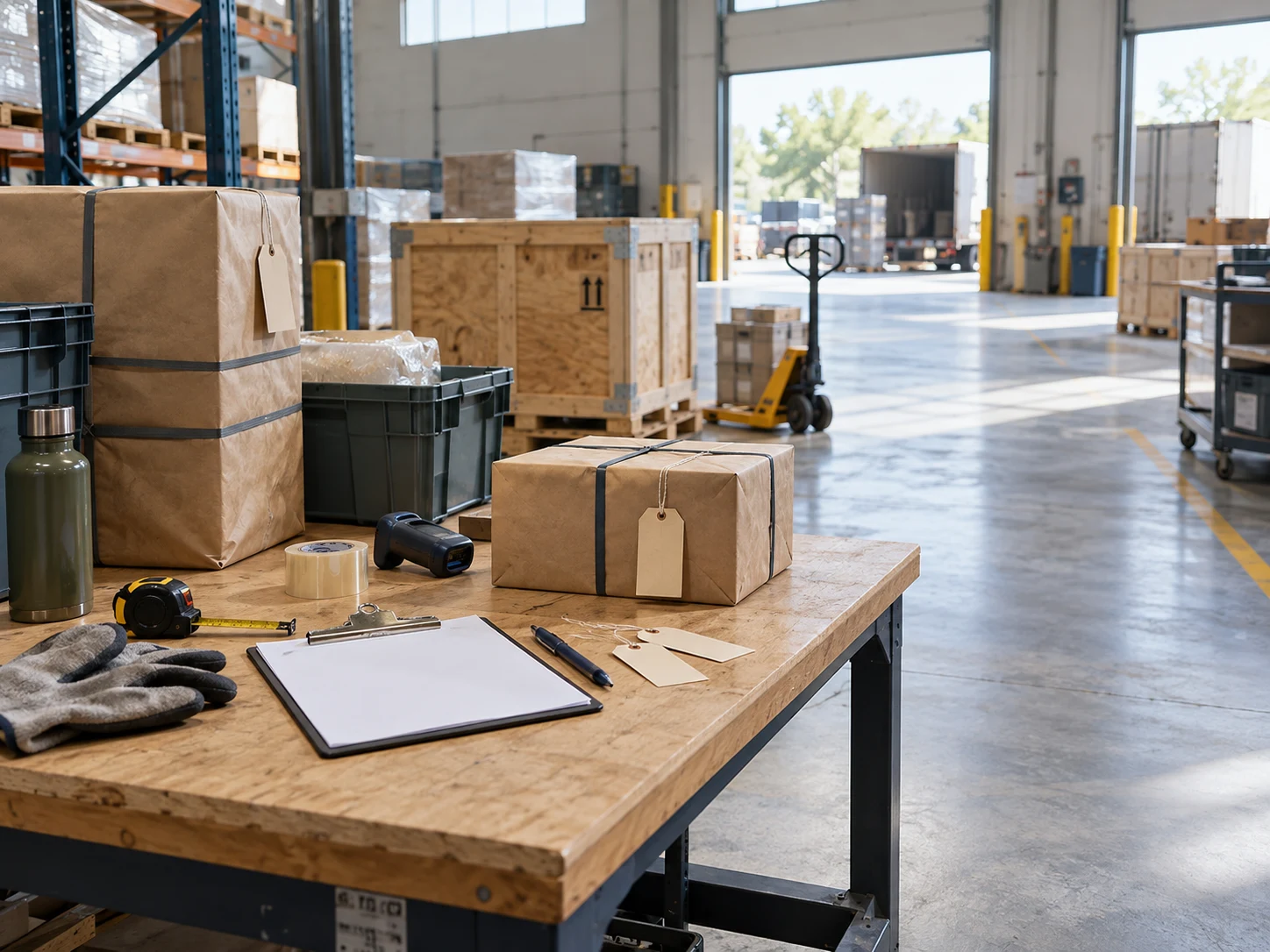
Record the dimensions and handling requirements before selecting a unit. Suitable packing and a clear receipt can avoid an unnecessary rework question, but this example claims no measured waste saving. A real change should be assessed against the packaging and protection the goods actually require.
02
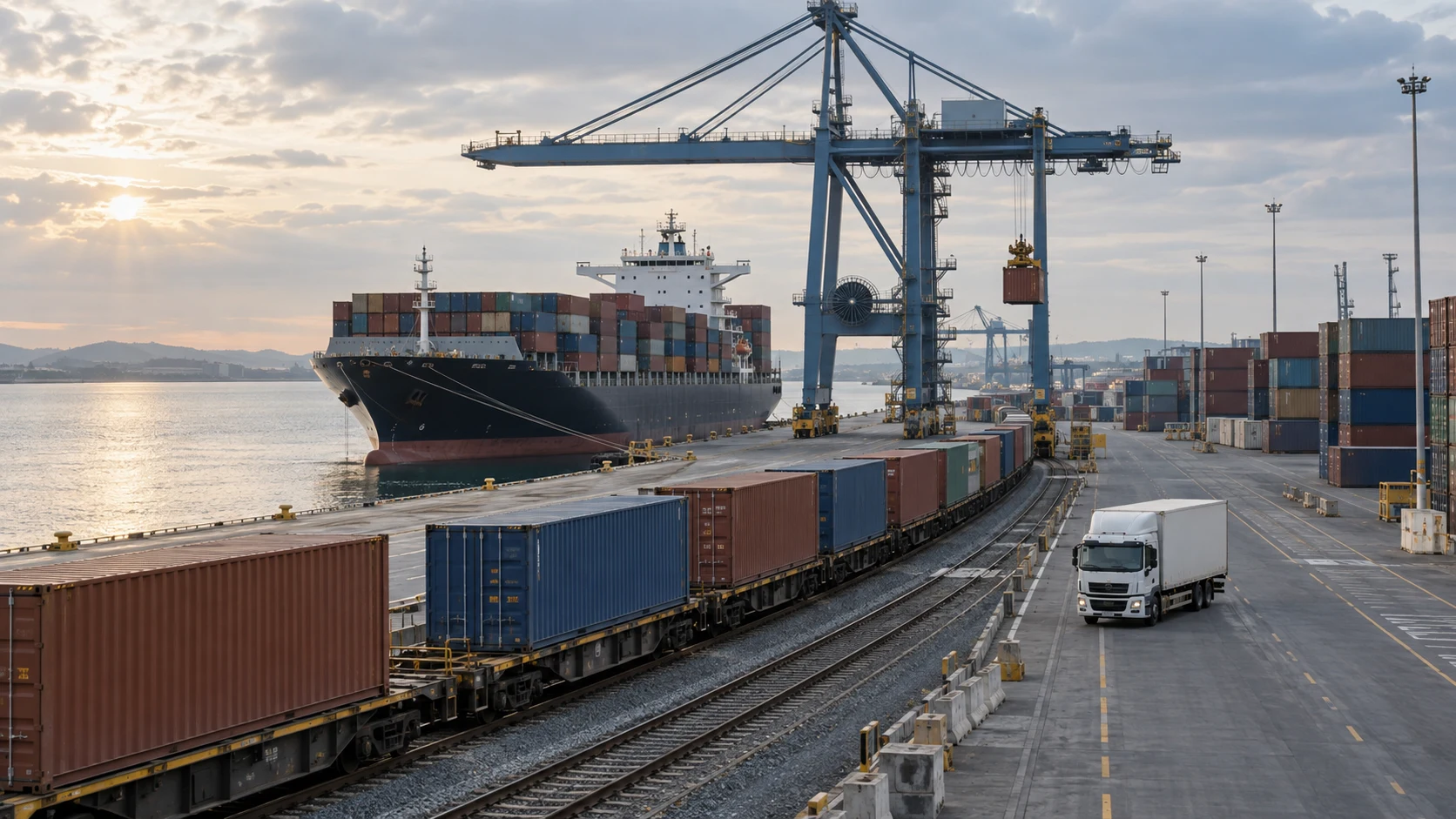
Consider whether a connected mode can meet the receiving need, then check its transfer and contingency requirements. Do not award it an automatic environmental advantage. A useful comparison needs the actual route, equipment and load assumptions for each option.
03
Retain the input date, method, boundary and uncertainty beside any real estimate. If a lane or cargo profile changes, the old result may no longer describe the decision. The article on comparison boundaries offers a local checklist for documenting those changes.
Ask what was counted, where the data came from and what was left out. This site’s contribution is a clearer planning conversation, not a claim that fictional freight has delivered an environmental outcome.