Give belongings a place
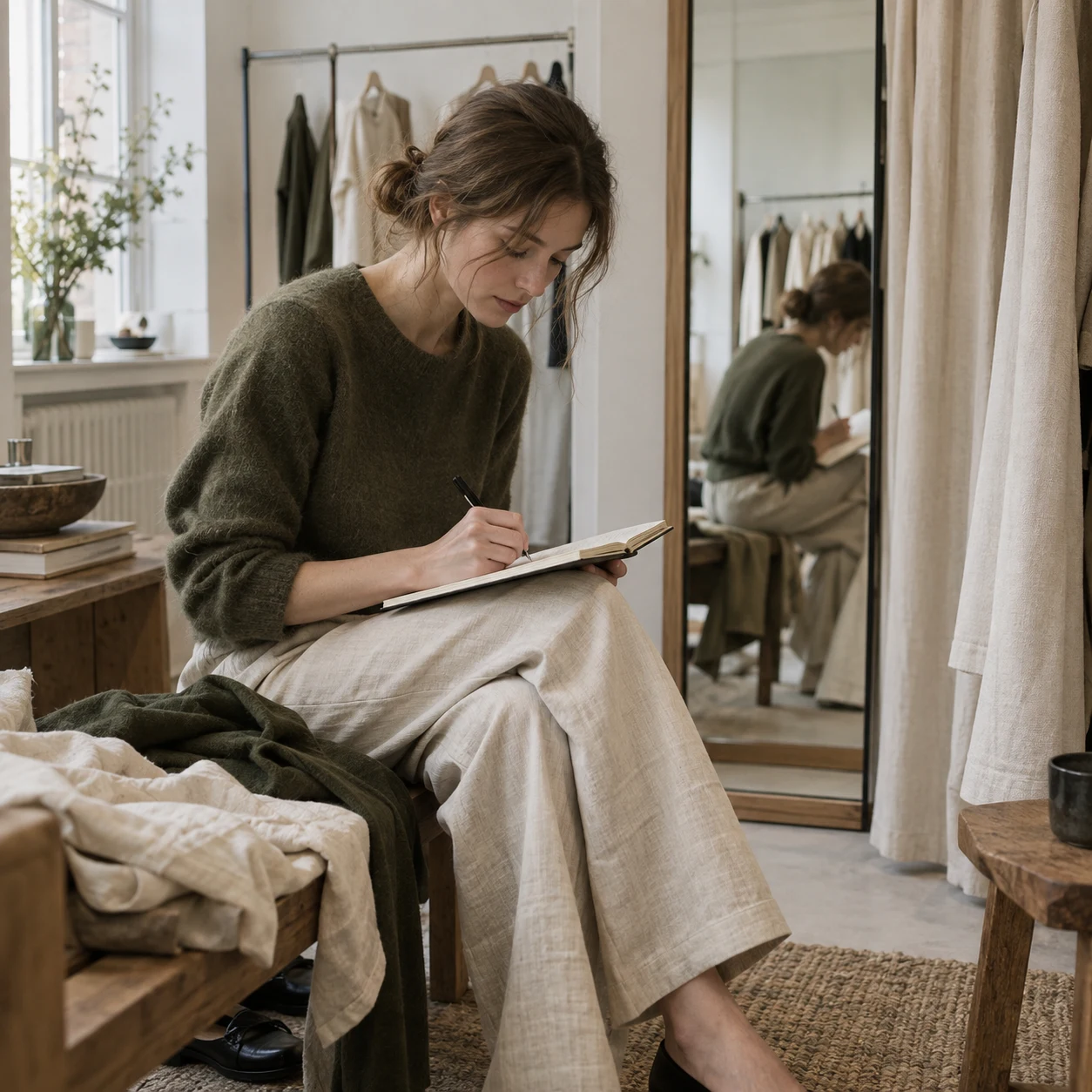
A hook that holds a coat securely, a shelf for a bag and a seat that is easy to use remove small distractions. These details matter because trying clothing involves more than standing in front of a mirror. People may need to change shoes, rest or compare several layers.
Make information reachable
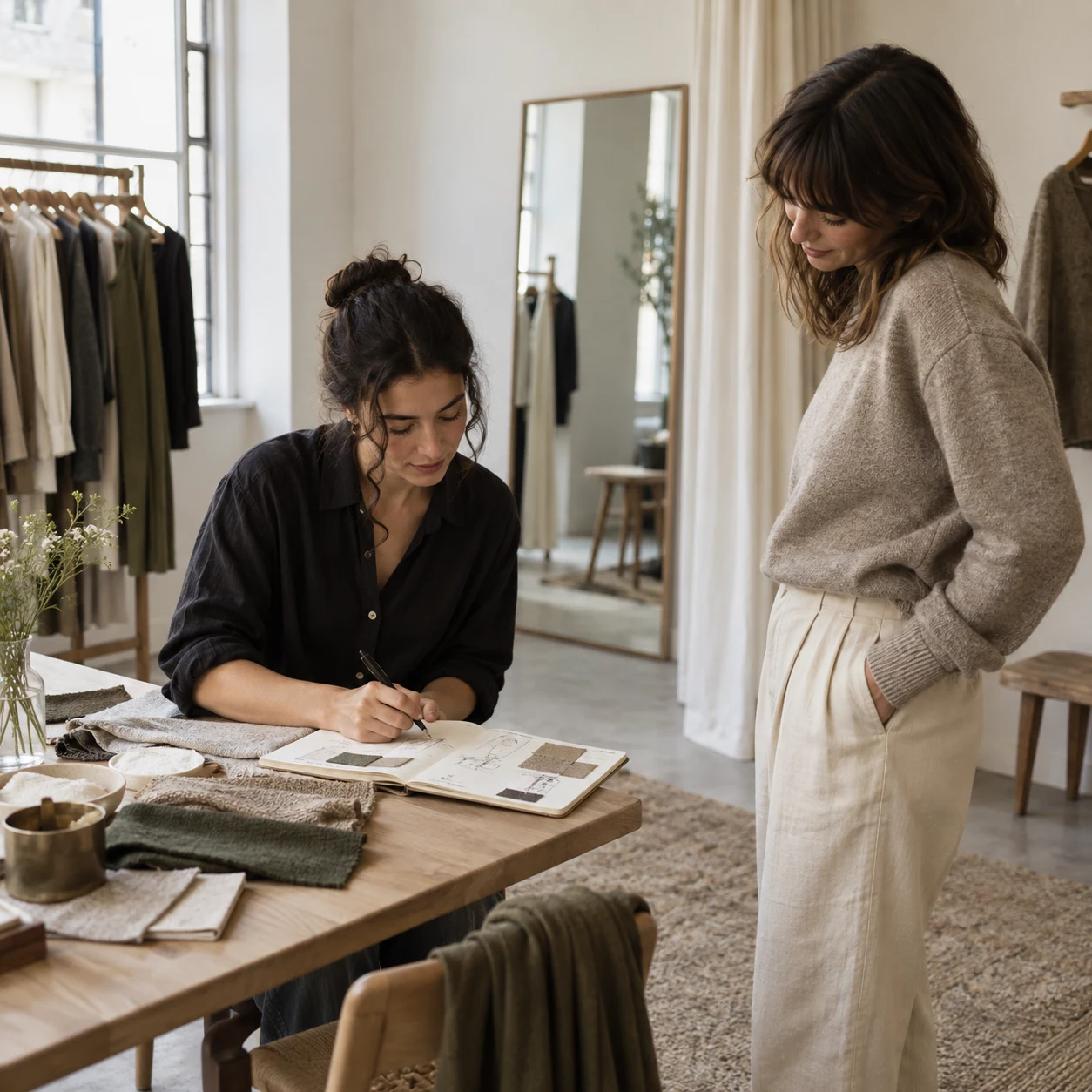
Size notes, material details and care instructions should be available without requiring someone to leave the space repeatedly. Staff can help, but essential information should not depend on a particular person being free. Clear product labels and a simple way to request another size make the visit more independent.
Consider the whole route
The entrance, circulation space and path to the fitting area all affect whether the room is usable. A spacious cubicle cannot compensate for an inaccessible approach. Real accessibility claims need an actual assessment of the premises, with limitations described honestly rather than implied away by a photograph.
Leave room for a no
A useful fitting ends with a clear decision, and sometimes that decision is to leave without buying. A calm environment gives people time to check comfort, movement and budget. That is a better basis for trust than pressure to turn every fitting into a sale.