A quieter place to watch the owls

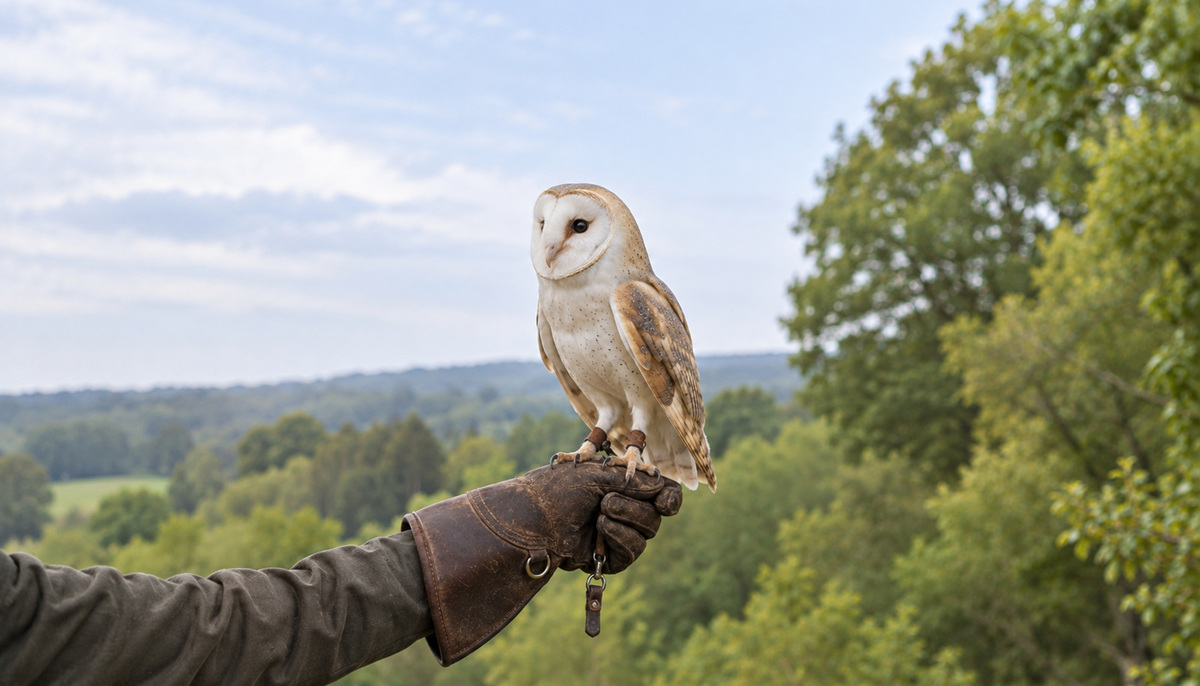
The first question about a new viewing place is often what people will be able to see. Beside the owl enclosure, our planning begins one step earlier: how visitors can arrive, settle and leave without turning every pause into a demand for attention.
A narrow stopping point can make people hurry even when nobody intends to. One family waits behind another, children look for a gap, and someone moves forward because it seems the only way to find a view. The visitor arrangement beside the enclosure needs to make a different sort of behaviour feel natural. A clear approach and an obvious place to pause help people understand where they belong before they become absorbed in looking for an owl.
Tessa Brook considers the explanation part of the space itself. Information should be readable before the point where everyone wants to stand, with enough clarity that visitors do not need to repeat the same question across a quiet area. It should also be honest about what a visit can offer. An owl may be out of sight or facing away, and no arrangement should imply that planning a visit guarantees a particular moment. Giving people that expectation early makes it easier for them to enjoy the surrounding detail and to leave without feeling that the animal has failed to complete its part of the occasion.
A boundary that is easy to understand
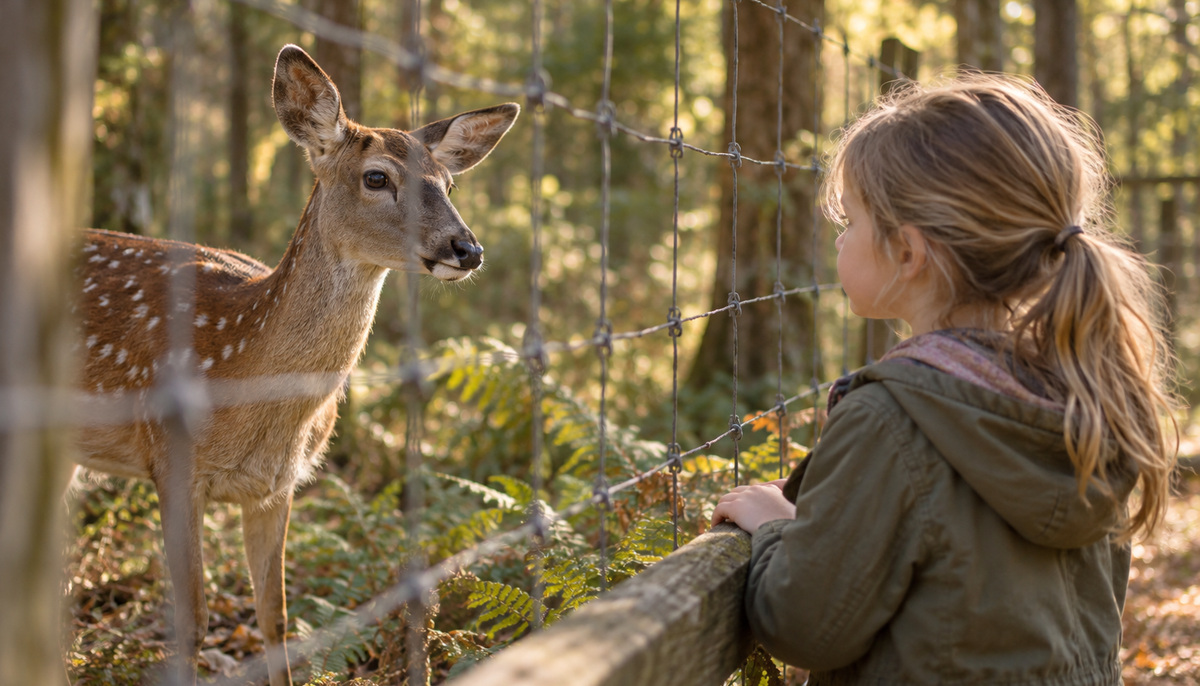
The viewing shelter belongs to the visitor route; it is not an invitation to approach the enclosure more closely. Follow the marked boundary and any current instructions, and keep hands, food and personal belongings on the visitor side. Children benefit from hearing those expectations before the group reaches the rail. Adults can then spend less time correcting an excited movement and more time sharing what there is to notice. If the space is busy, wait in an appropriate place or return later rather than gathering around someone who has already stopped. Leaving room is a practical way to keep the visit comfortable.
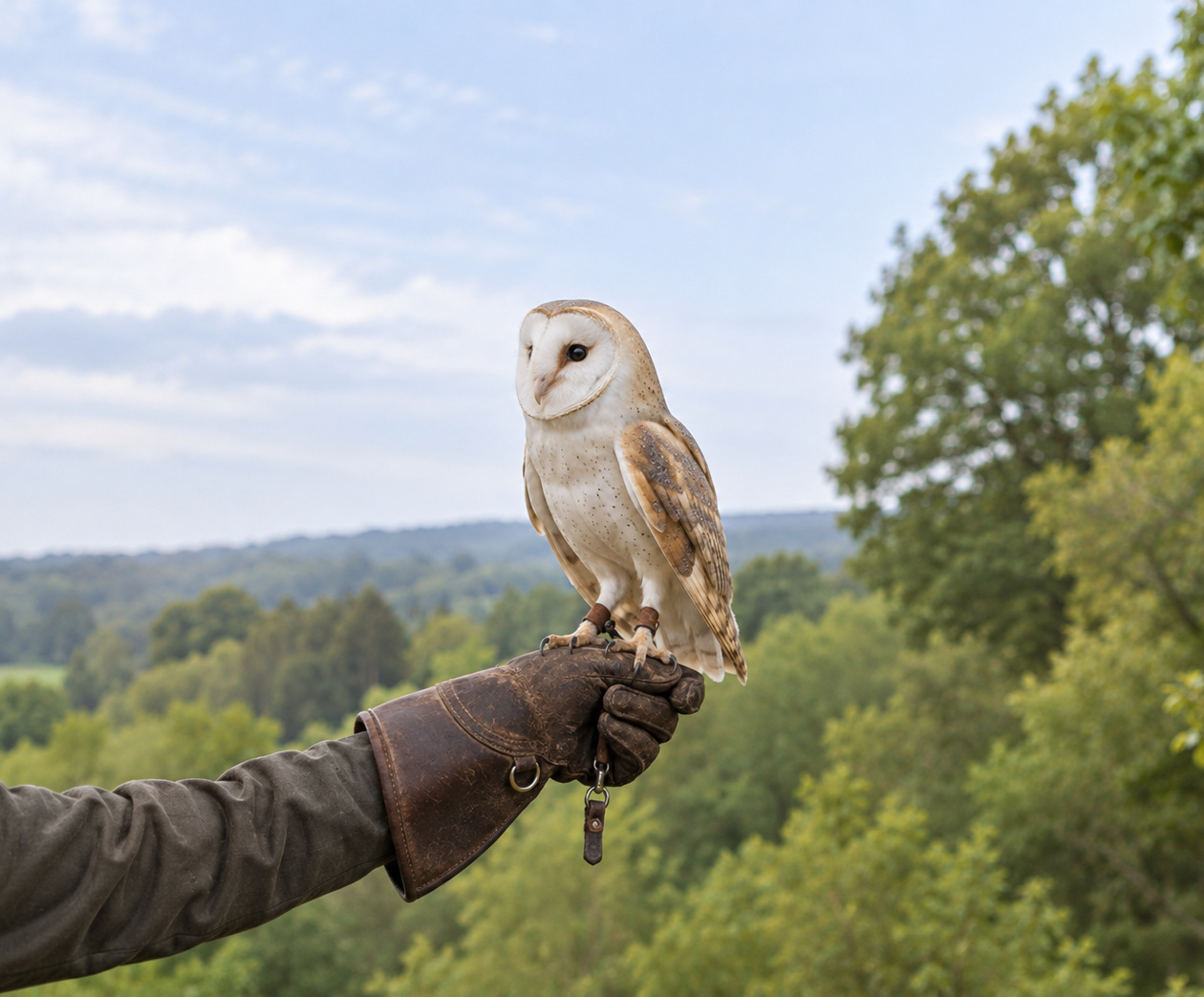
A camera can remain in its bag until you have understood the setting. Follow restrictions on photography and avoid sounds or actions intended to attract an animal's attention. You may leave without the image you imagined. That does not make the visit empty: the shape of a resting bird, the shelter around it and the changes in your own attention can all be worth remembering.
A good viewing place explains where to stand and what to expect. After that, it should give people permission to be patient rather than restless.
— Tessa Brook, woodland guide
Questions about animal care belong with the people responsible for it. A viewing sign or a short conversation cannot stand in for specialist knowledge, and this journal does not offer handling or feeding advice. Visitors contribute by respecting the arrangements that are in place and asking staff when something is unclear.
Make the visit clear, then let it be quiet
For the lodge team, the useful measure of the new visitor space is how easily people understand it. Are they pausing where the route allows, can a family read the information without blocking the way, and is there a clear next step when they are ready to move on? Those everyday observations can guide changes to the explanation and layout. The intention is not to keep people standing in one place for as long as possible. It is to make a brief encounter feel considered, with enough context to encourage curiosity and enough restraint to leave the animal outside the pressure of the visitor's schedule.
If you are planning a wildlife visit, ask about current access and visitor guidance before making it the centre of your day. Come prepared for a quiet pause rather than a performance. The most useful thing to bring may be the willingness to wait, then move on.