A room made around the meal
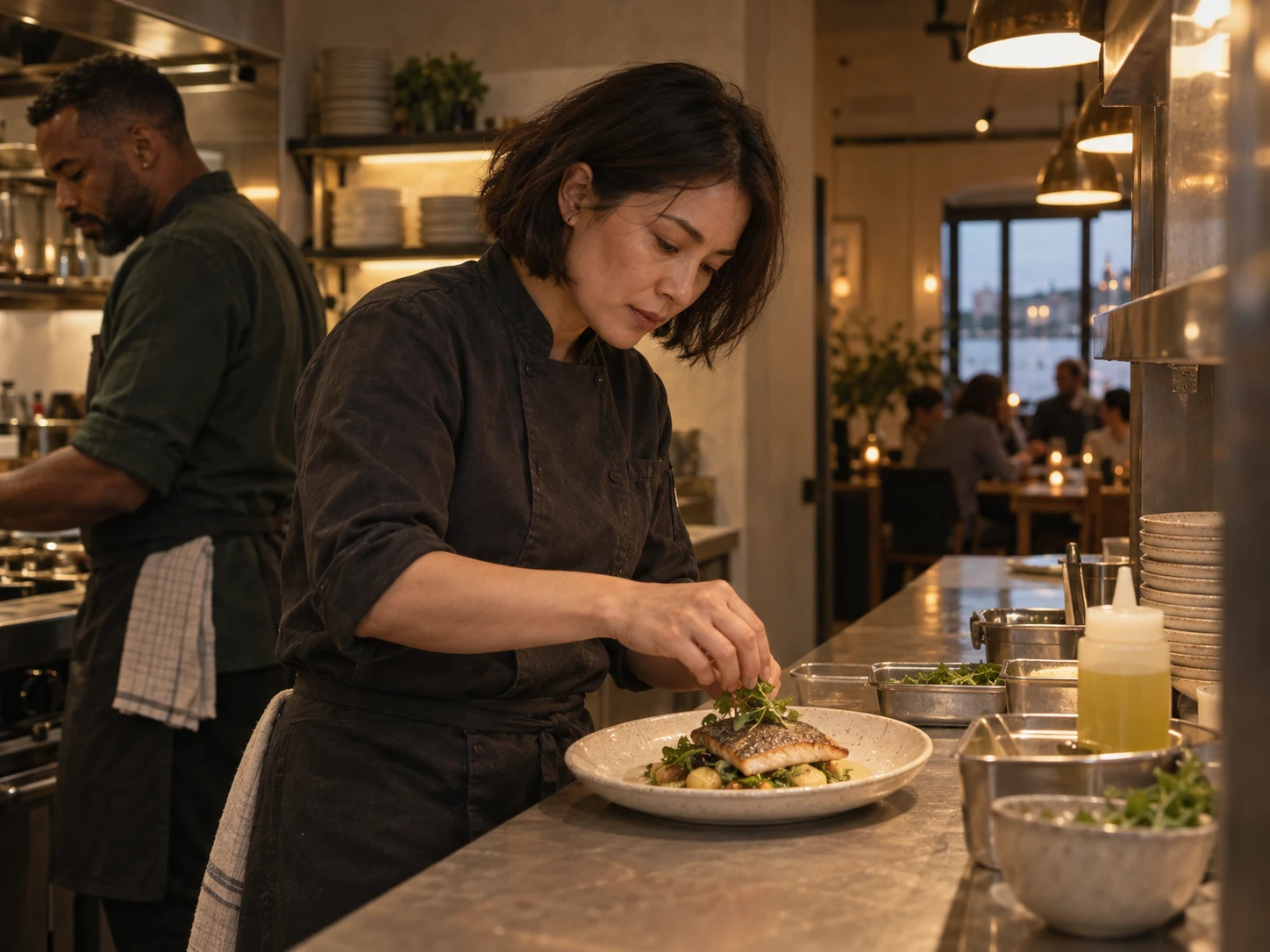
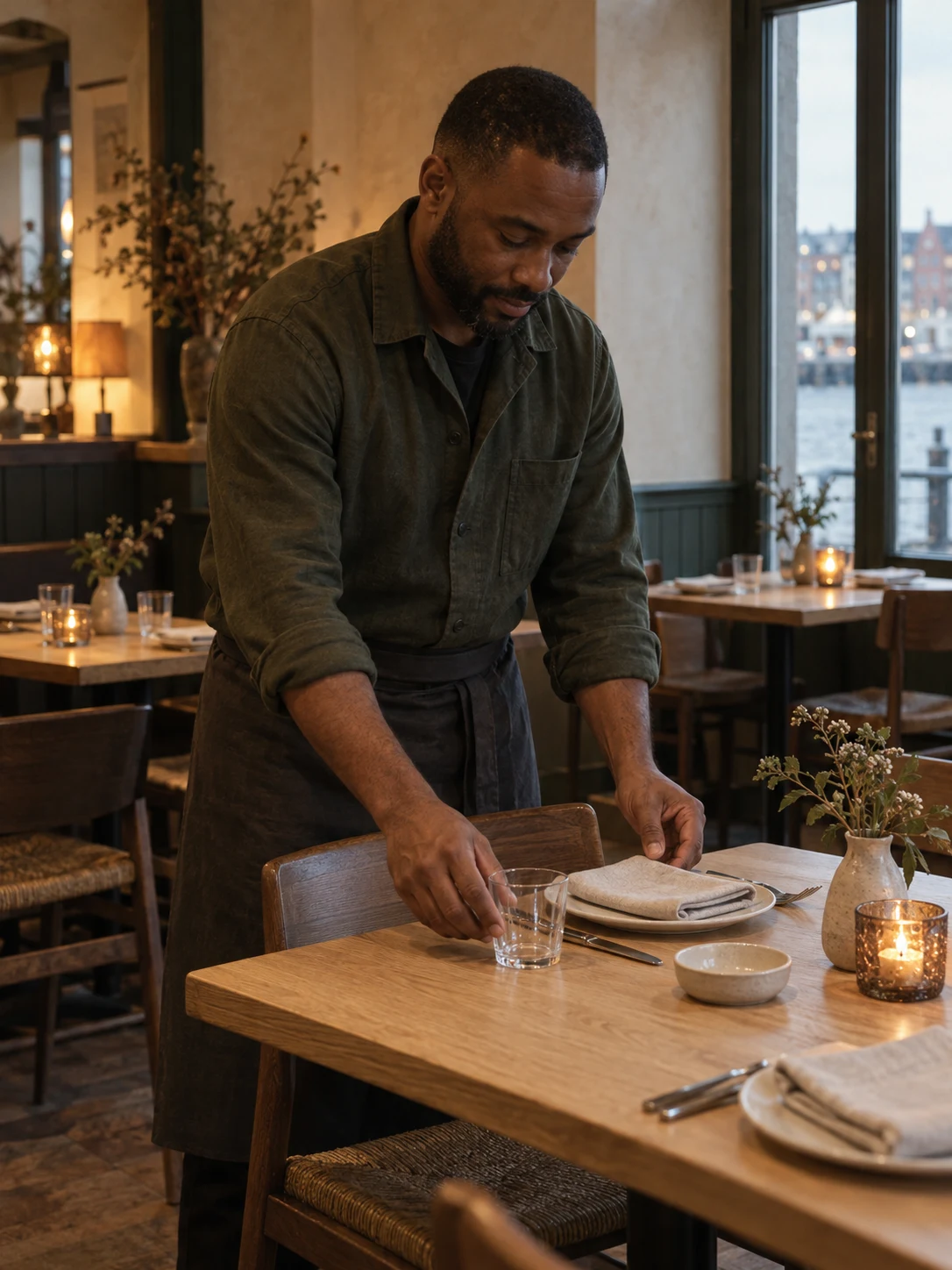
Reed & Ember begins with the things that hold a meal together: rice that stays warm, vegetables with their own texture, broth that leaves room for the next taste and a table where people can settle. Mara’s kitchen and Jun’s room are two parts of the same imagined restaurant.
Mara Vale and Jun Calder are the people at the centre of this fictional restaurant story. Its seven chapters follow the kitchen, the room and the small decisions that make a meal easier to enjoy.
2016
A table before a restaurant
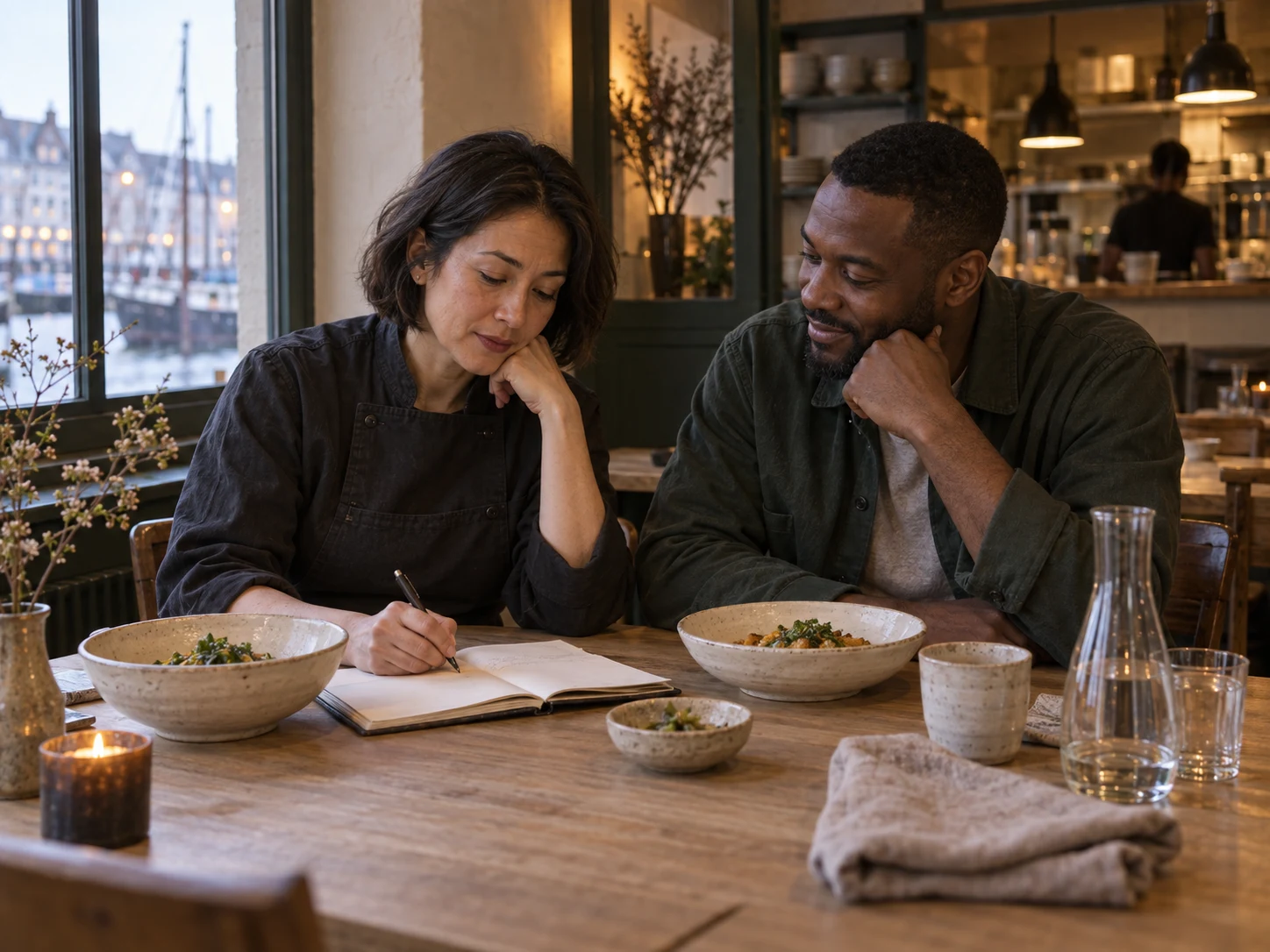
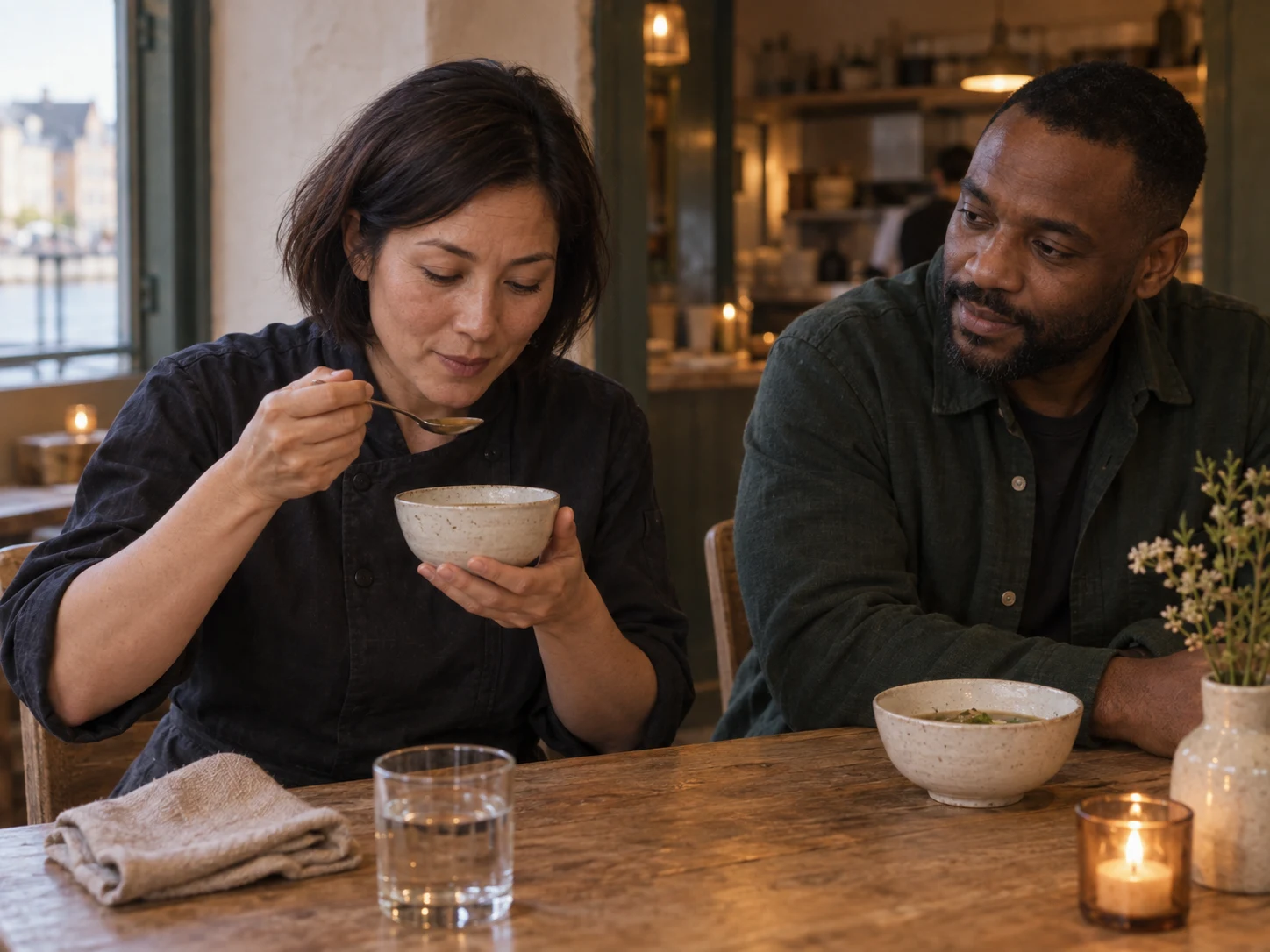
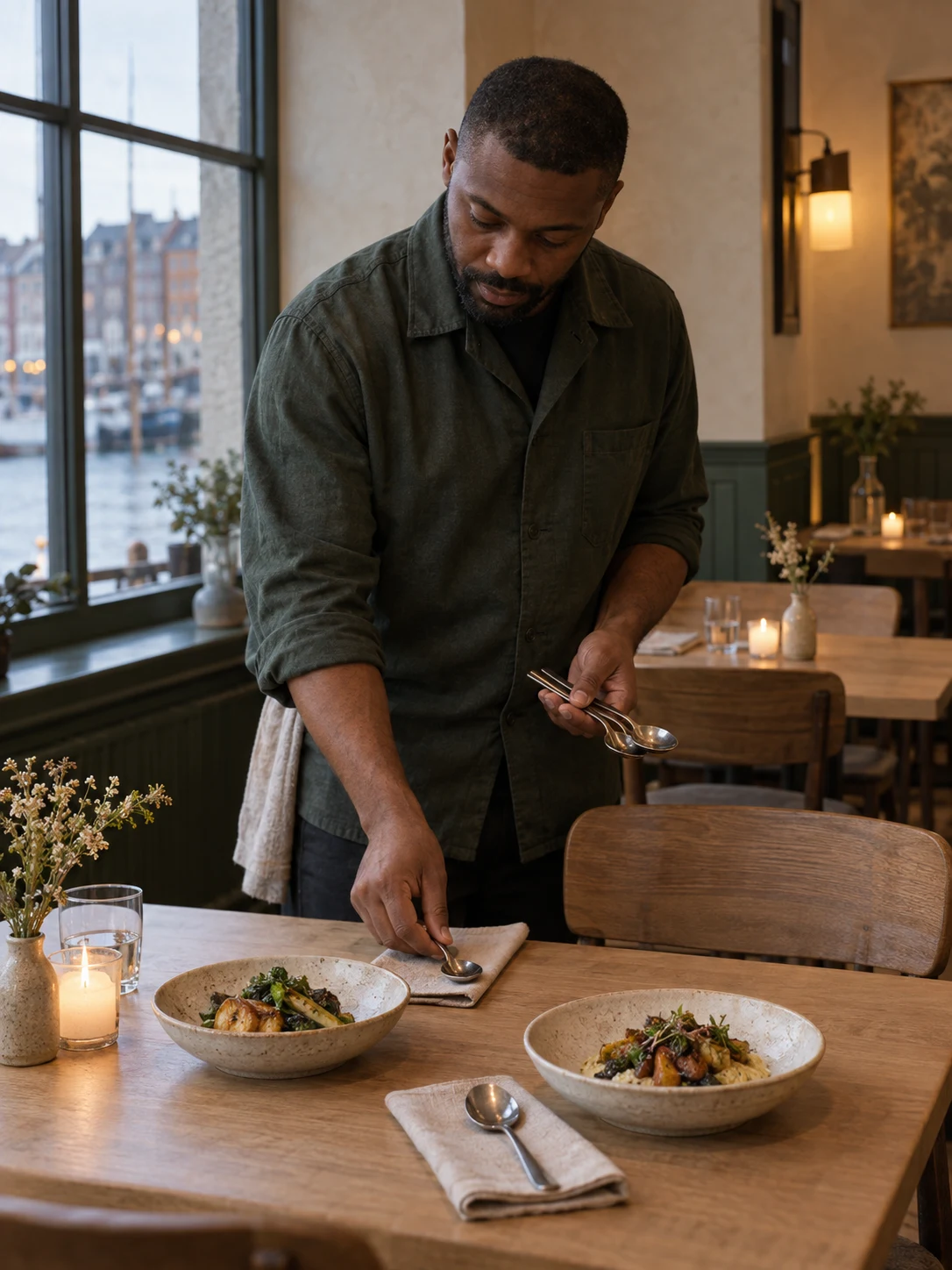
Mara and Jun first worked around one borrowed table in a shared test kitchen. Mara brought pots of broth and several versions of the same rice; Jun kept notes on what arrived hot, what needed another spoon and what stopped a conversation. Their useful discovery was small: a meal could be generous without every plate asking to be the centre of attention.
The early notebook separated flavour from service. A dish that tasted convincing at the stove still had to survive the walk to the table, and a shared plate needed a clear portion. Mara and Jun learned to ask both questions before calling a dish finished. The meal began to take shape through that conversation, one warm bowl and one practical adjustment at a time.
2018
The room on Lantern Walk
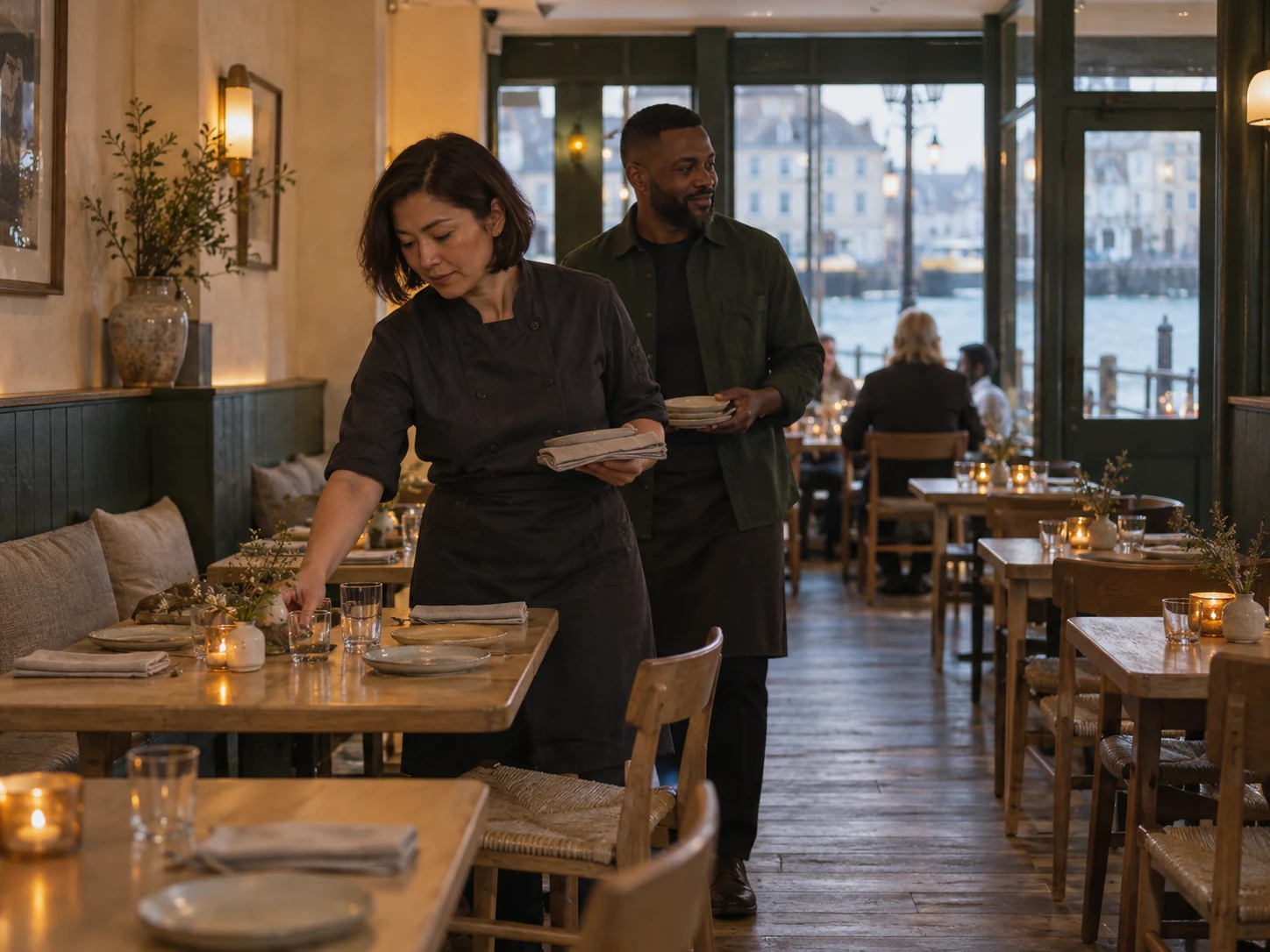
The Reed House offered a long room, a low front window and a narrow strip of daylight beside the kitchen. Instead of filling every corner, the plan left a direct route from the door to the dining room. Jun set the larger tables away from that path so a shared meal would not become an obstacle for another guest.
Mara kept the menu divided between a complete midday plate and a slower evening sequence. The opening arrangement established the three menus that still organise the site: lunch with its own rhythm, dinner with small and substantial plates, and a drinks list that can be read without asking for another document.
2019
A shorter lunch, properly considered
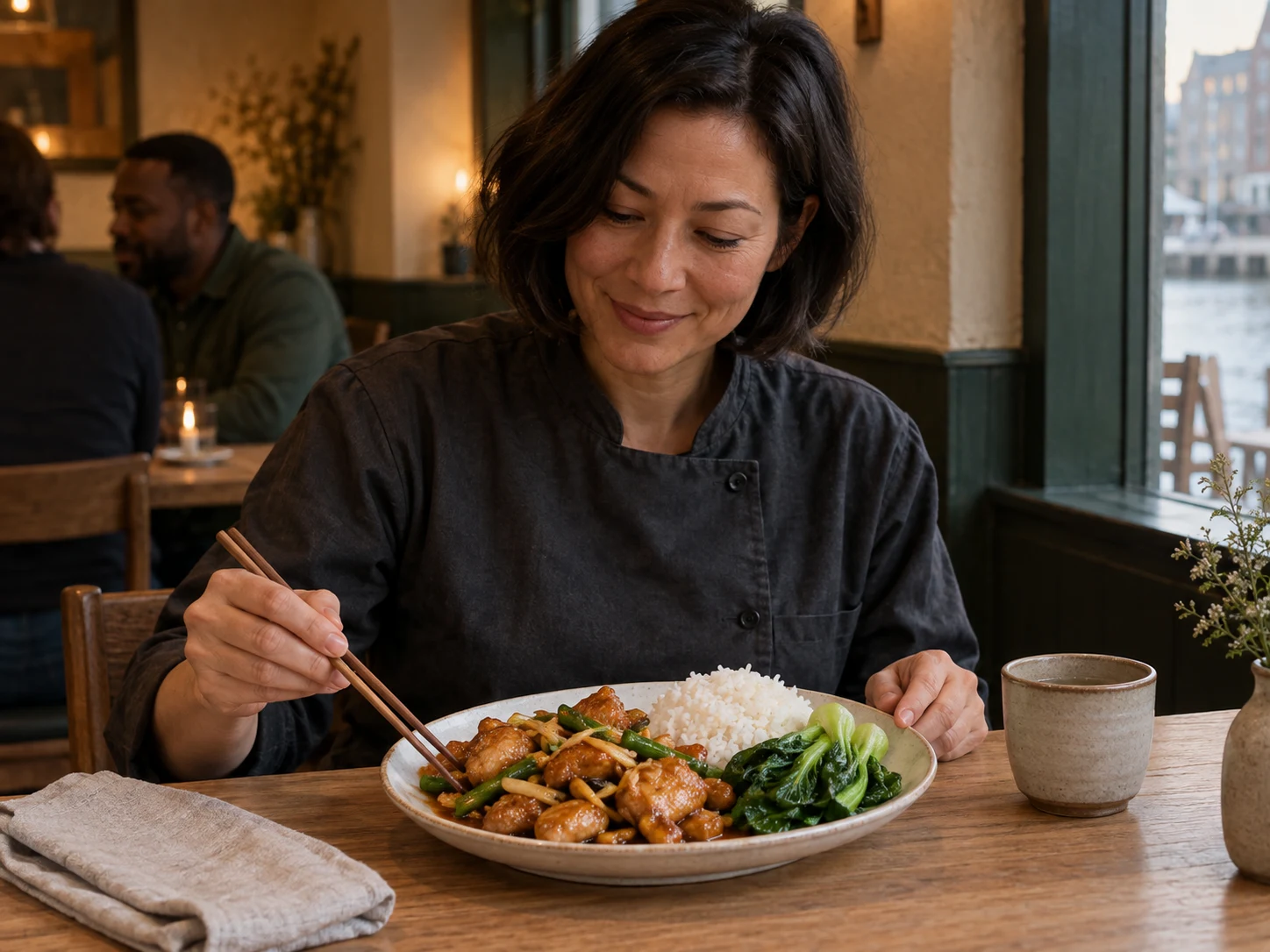
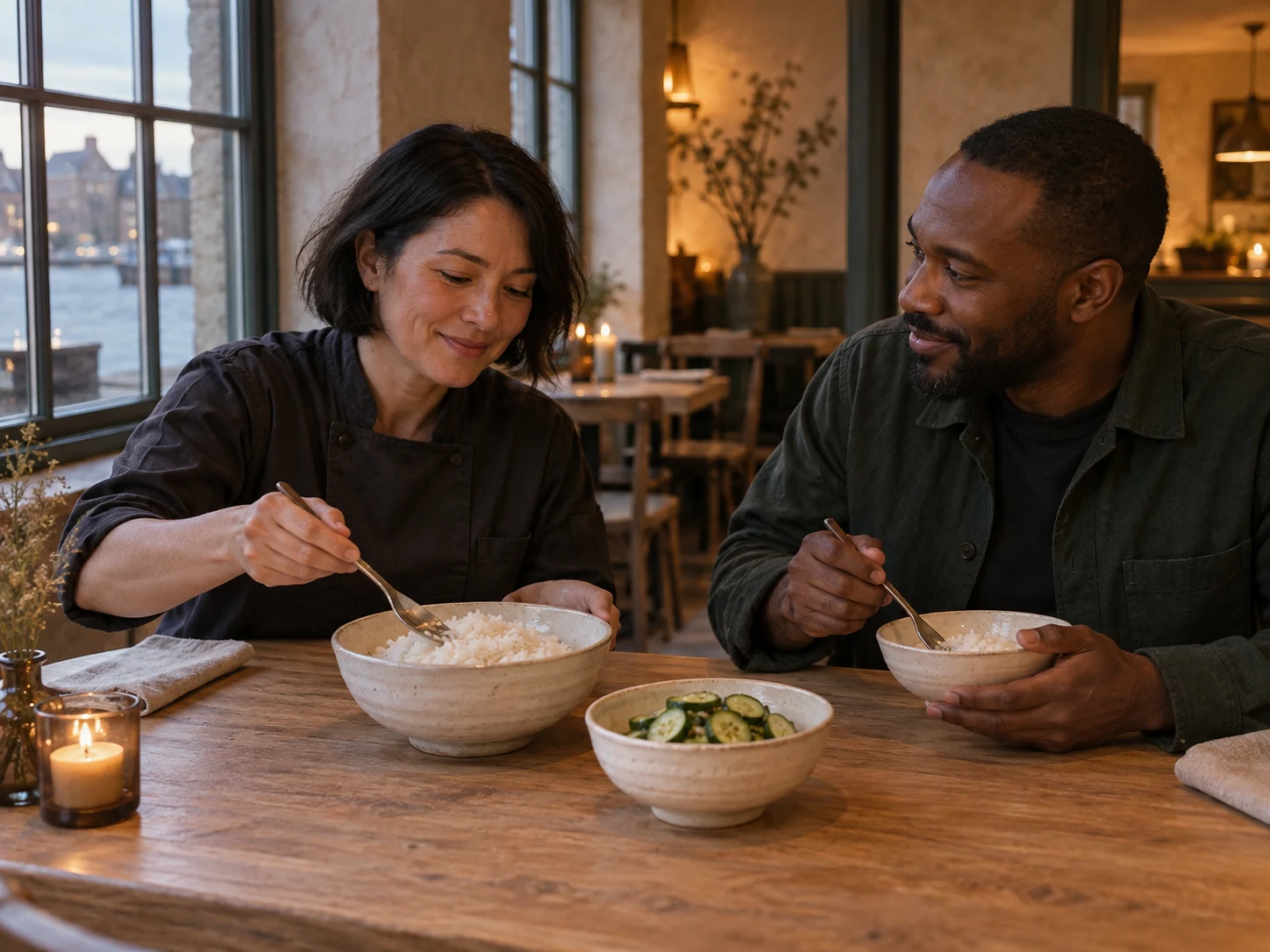
The first lunch revision removed dishes that depended on several last-minute pans. Rice, a warm main and a cool pickle could arrive together, leaving time for a guest to eat at an ordinary pace. The small beginnings and salads remained separate choices, rather than mandatory stages in a fixed set.
The menu notebook gained a portion column and a final-seating column. Those practical details change a visit: one person can judge whether a bowl is enough, and a party arriving late can see why the last seating precedes closing. The current lunch allowance is ninety minutes. It leaves room for a complete plate, a cup or glass and a small pause before the afternoon begins again.
2020
An interruption in the story
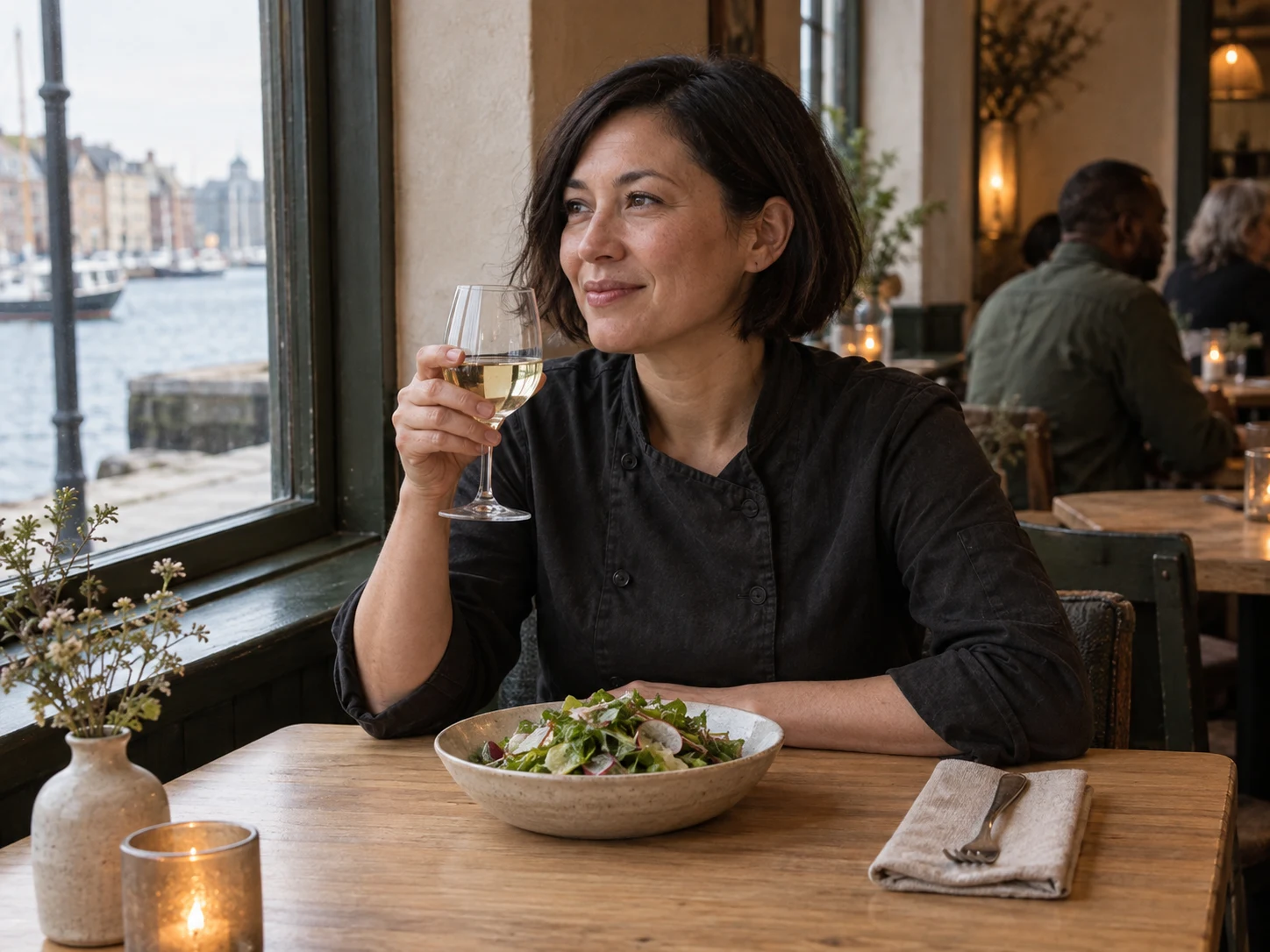
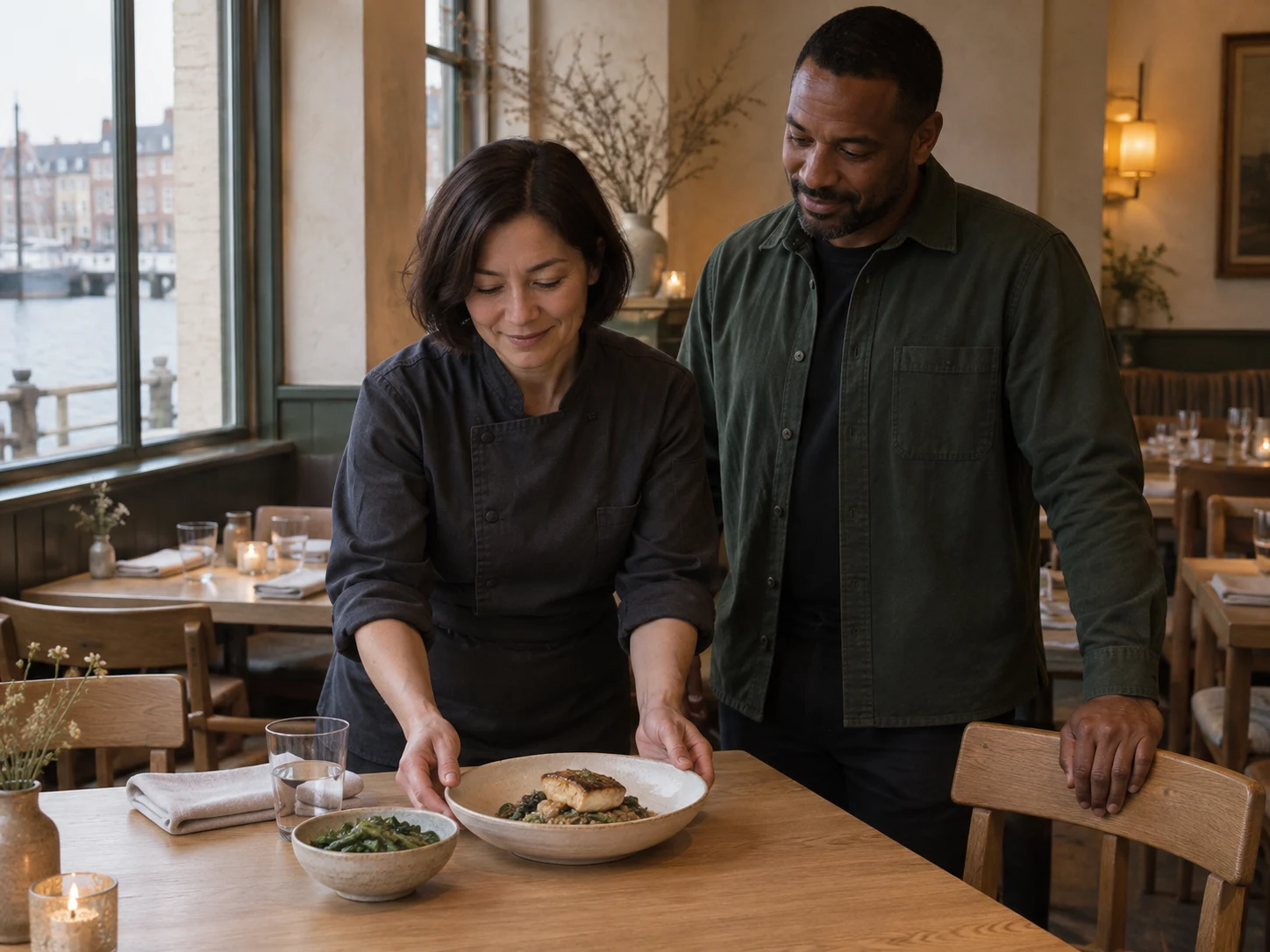
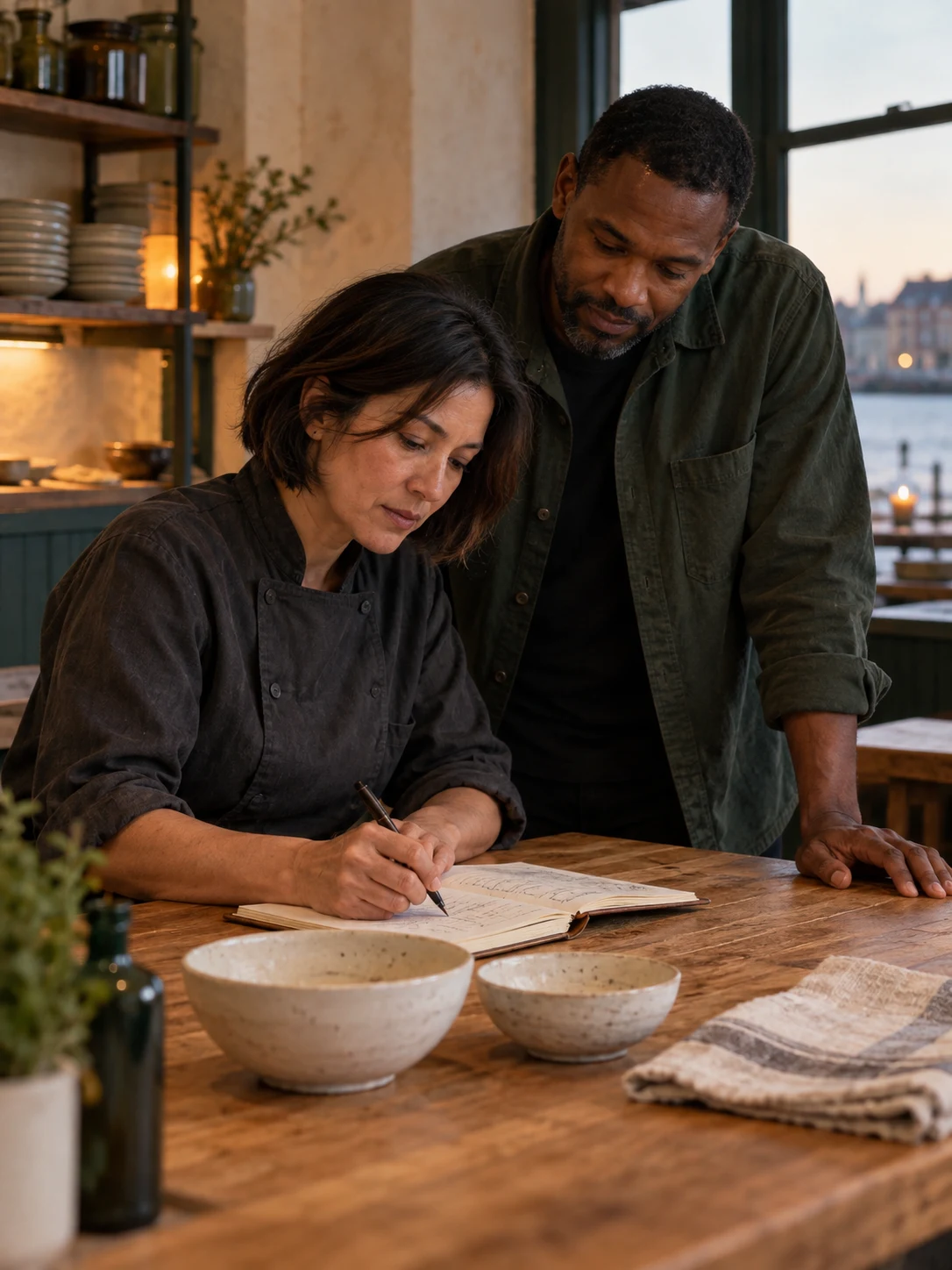
The dining-room story pauses in 2020. With fewer plates moving between kitchen and table, Mara returned to the recipe notebook and Jun to the arrival notes. Dishes that travelled poorly were left out of meal plans for home. A crisp component needed its own space, and a warm sauce could not be assumed to stay unchanged through a journey.
The quieter work made the descriptions more precise. Mara named the wheat in soy sauce and the celery in stock. Jun separated the main entrance from the place where a party could gather, keeping the doorway clear. When the room returned to the story, these details gave its familiar meal a more considered beginning, from the first question about a dish to the moment the table settled.
2022
A quieter place within the room
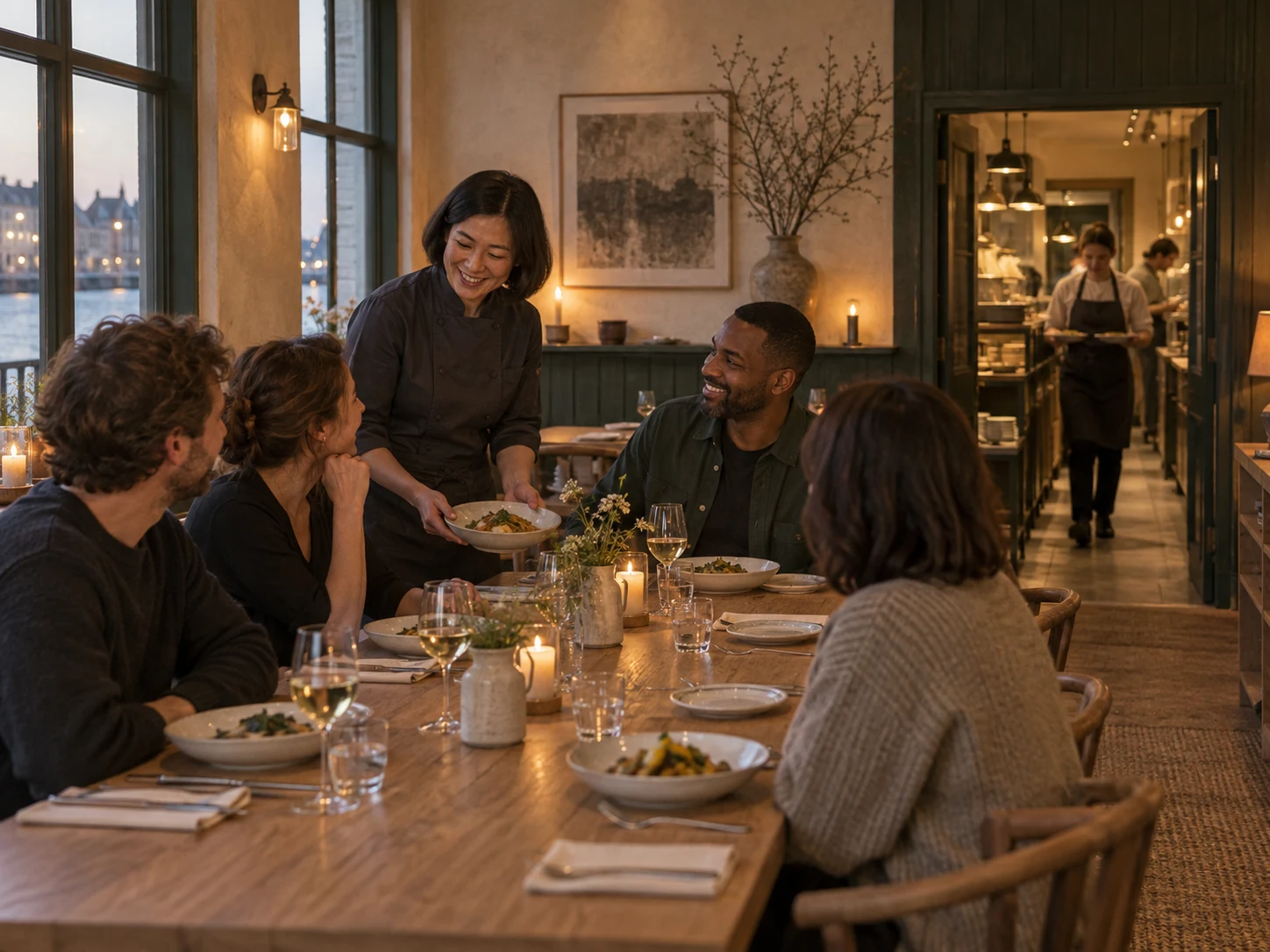
The next room revision adds the Reed Room, a side space for a single group. The point is a different pace rather than a larger headline capacity. Its long table allows one conversation, while a connecting door and a clear service route keep it part of the restaurant. A meal can take more time without feeling detached from the kitchen that prepares it.
Private dining receives its own planning outline: nine to sixteen people, a dinner start at 18:00, a three-hour allowance and at least seven days of lead time. Jun uses that frame to think about arrivals and a shared beginning. The group can then consider portions, individual choices and the practical arrangements it would need to discuss before a visit.
2024
The ingredient gets a full page
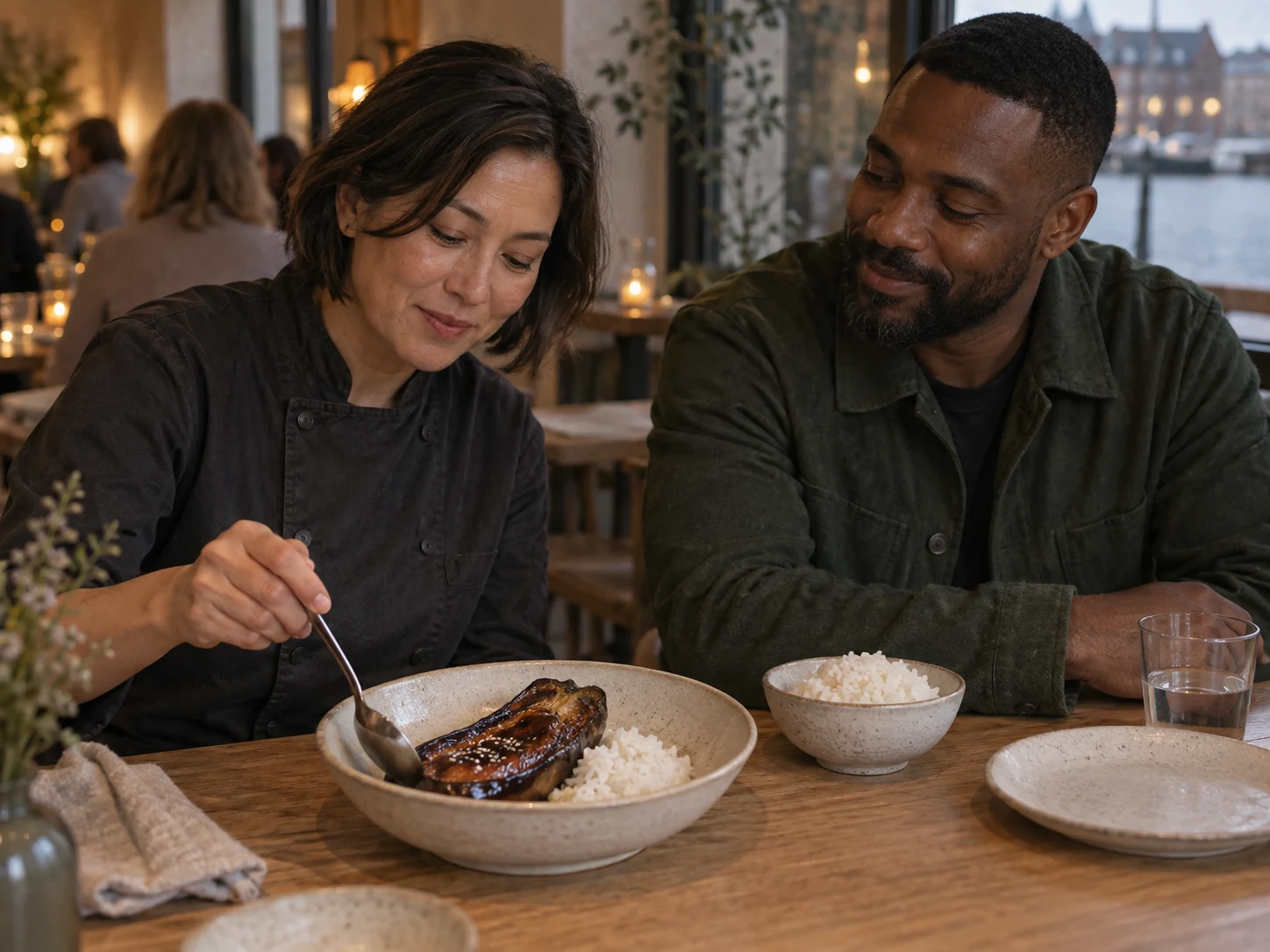
A short menu description cannot explain why aubergine is roasted before it meets miso, or why a rice bowl arrives with its pickle on the side. Ingredient stories and a small set of dish studies give those decisions room. A diner can find a price quickly, then read the longer account when a particular flavour or preparation has caught their interest.
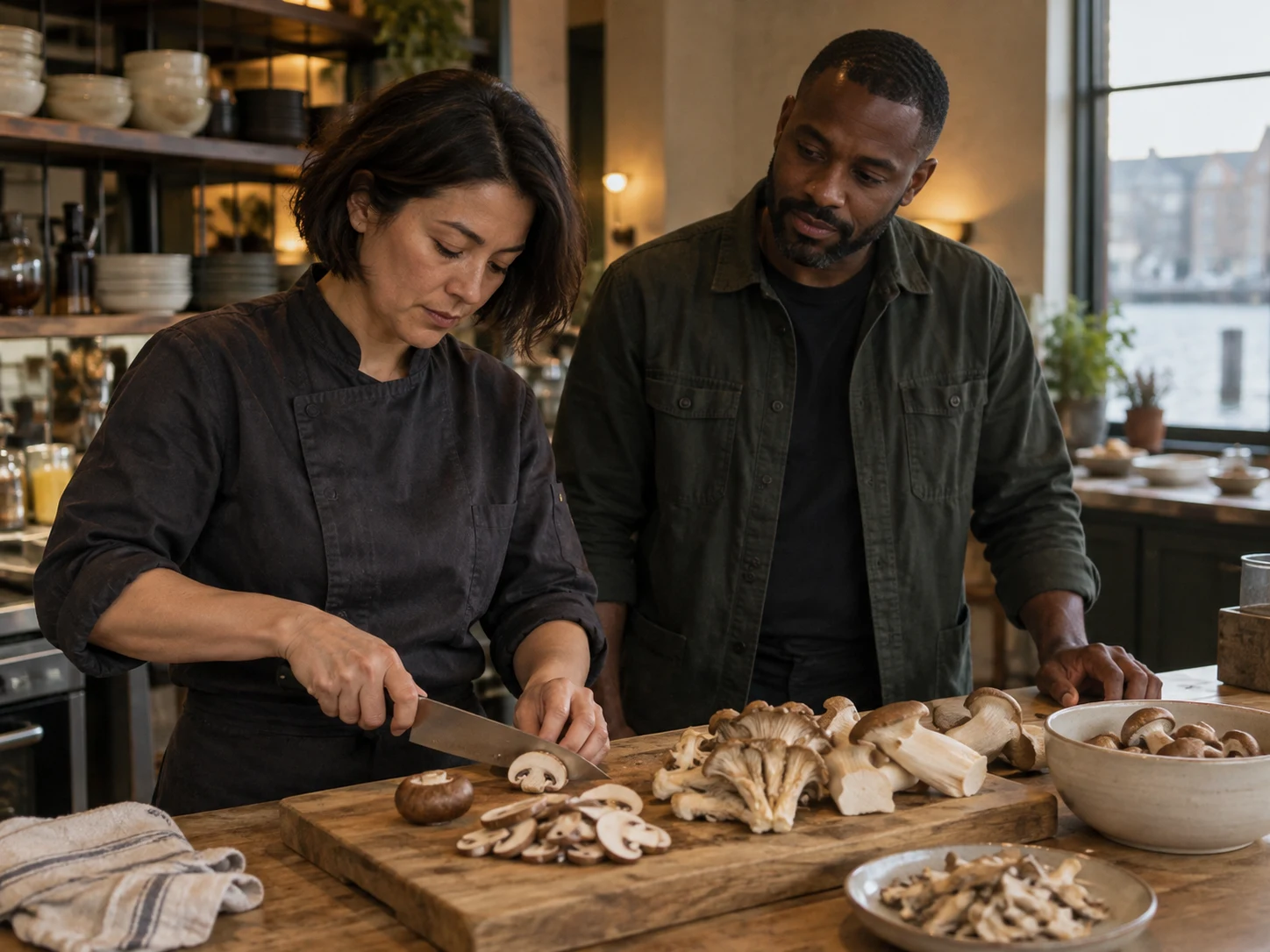
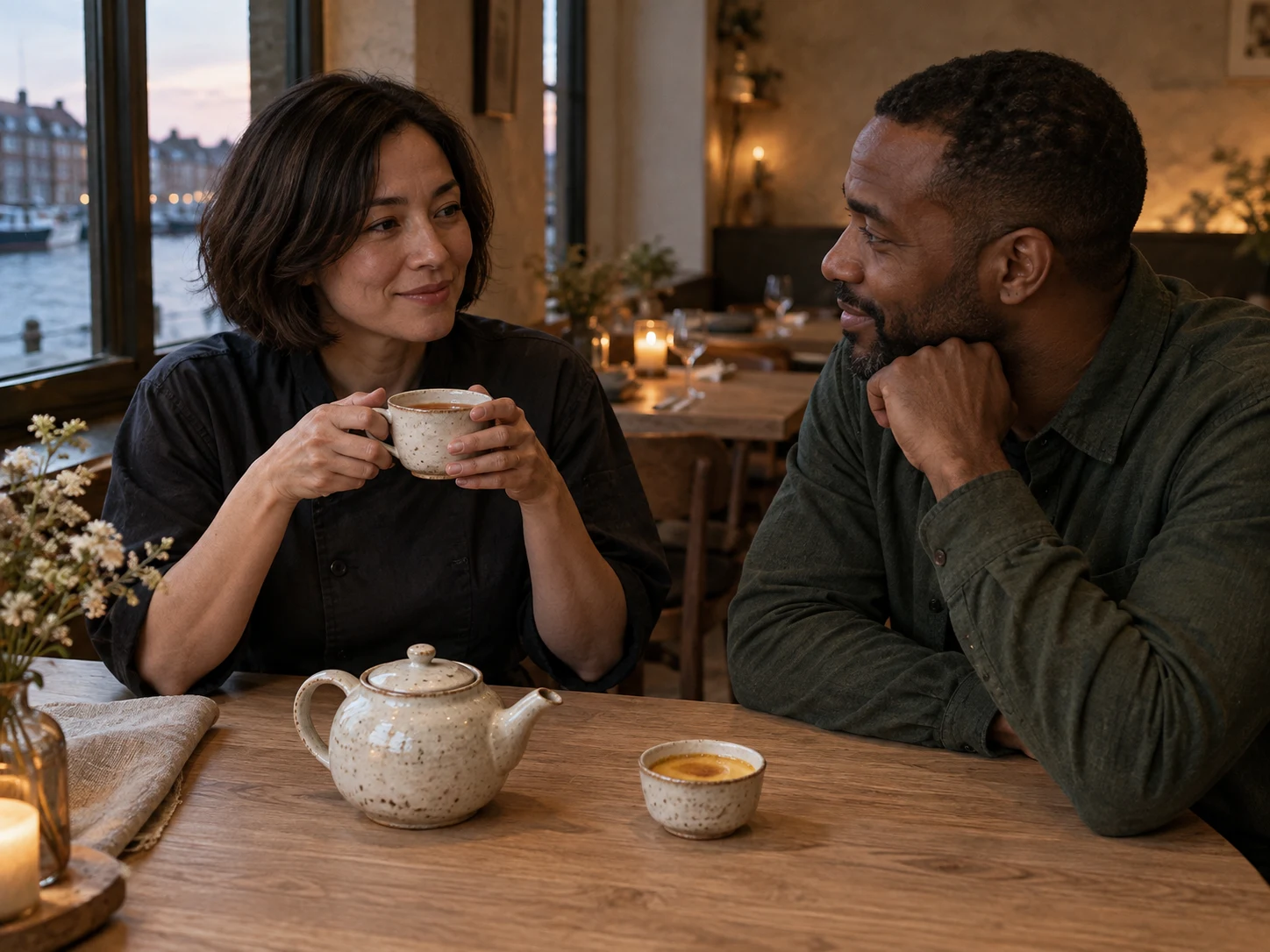
Mara begins with rice, miso, mushrooms and roasted tea because each appears in several different forms. The same ingredient can connect a broth and a main without giving them the same texture. Jun adds room notes beside the kitchen stories, following the meal from the pass to the counter, the front window and the long private table.
2026
More time, fewer assumptions
The current chapter brings visit information, seasonal table plans and the complete menus closer together. A person can compare a midday bowl with a slower dinner, read about the room and prepare an outline of a visit. The local table plan makes its boundary clear: it has not been sent and does not reserve a table.
The meal itself remains the centre of the story. Warm rice, a vegetable with its own texture, a carefully measured sauce and a useful spoon are small things, but they add up. Mara keeps asking about the last bite; Jun keeps asking whether the table has what it needs to begin. Reed & Ember grows through the space between those two questions.