
Wardrobe
A small palette, a longer week
An outfit does not need a new colour every morning. Start with two familiar shades, then choose one that makes the combination feel like yours.
Read the storyVeld & Fold
Clothes, their details and the ordinary days that make them useful.
Wardrobe
An outfit does not need a new colour every morning. Start with two familiar shades, then choose one that makes the combination feel like yours.
Read the story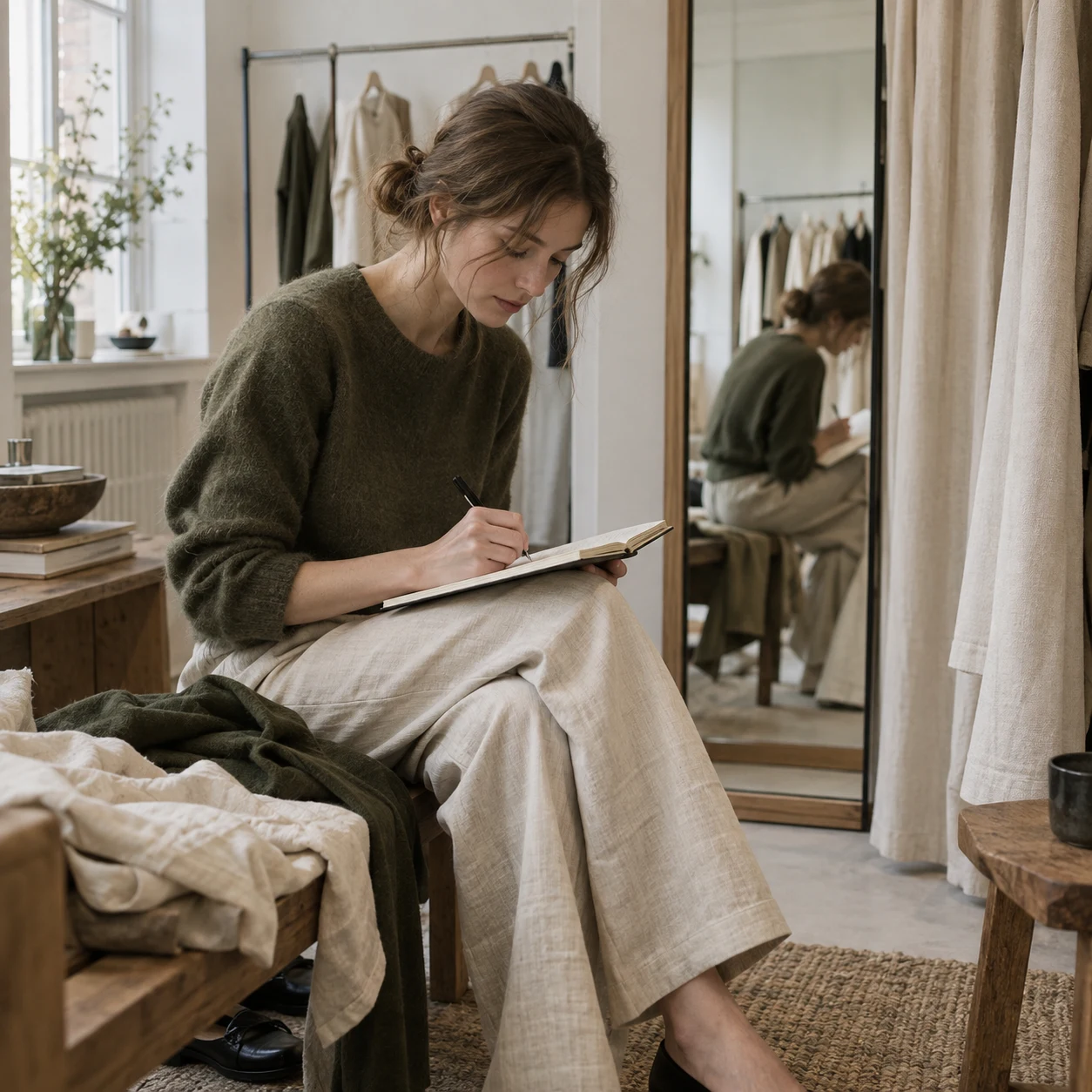
Studio
A good fitting note describes what happens when a person moves. It is more useful than calling a garment flattering and leaving the reason unexplained.
Read the story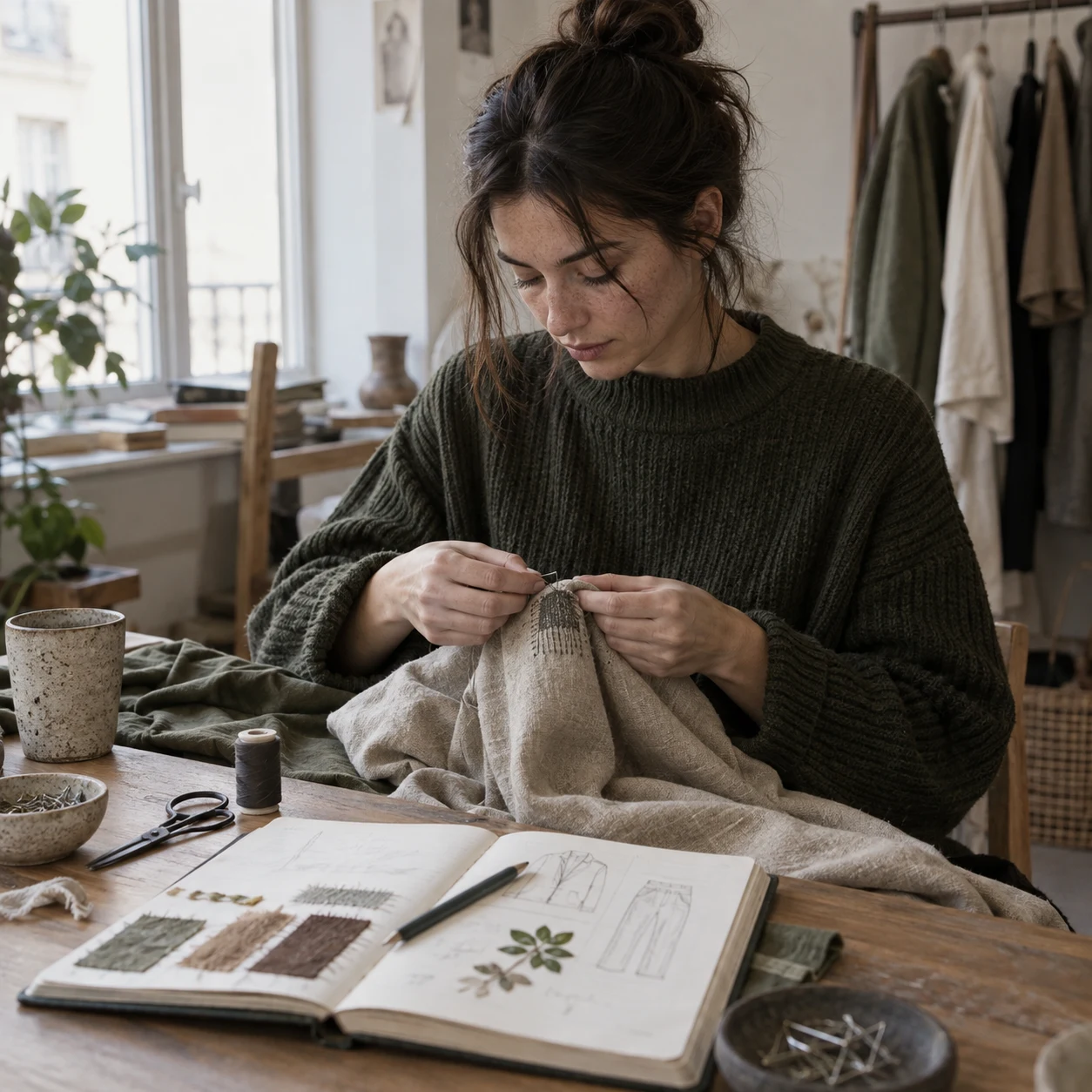
Fieldnotes
A repair session needs very little ceremony: a clear table, good light and one item you have been avoiding because something small has come undone.
Read the story
Wardrobe
An evening outfit should leave room for the evening itself. Sitting comfortably and moving between a warm room and a cool journey home matter as much as the first impression.
Read the story
Wardrobe
Layering works best when each piece has a distinct job. Warmth, room to move and access to pockets are a better guide than simply adding another garment.
Read the story
Materials
A label cannot explain everything about a garment. It can still give you a useful starting point for care, material questions and deciding what to ask next.
Read the story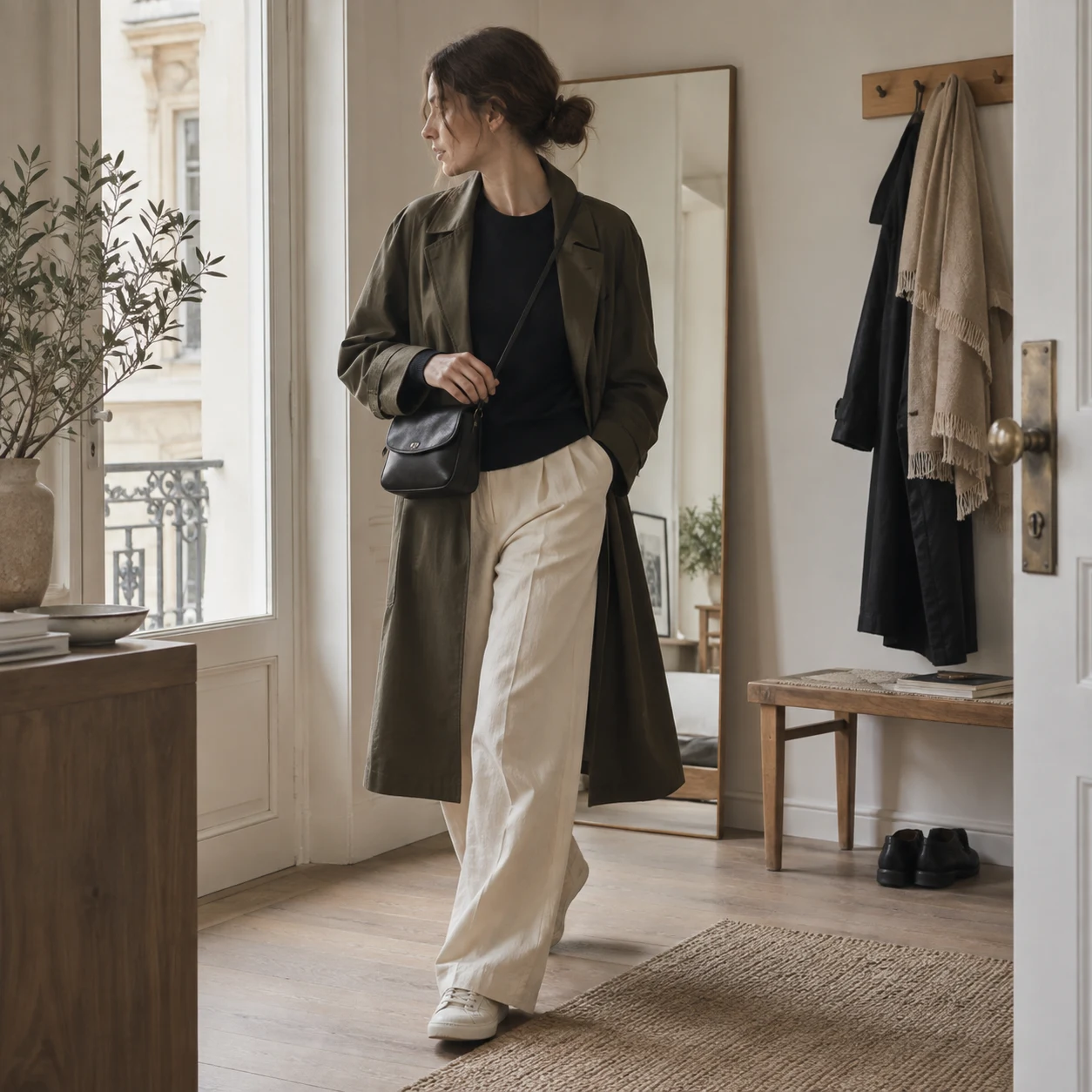
Fieldnotes
Packing for a day out starts with what you actually carry. Lay those things on a table before choosing the shape of the bag.
Read the story
Materials
Precise language matters when talking about clothing and the environment. A broad promise can hide the very details someone needs to make an informed choice.
Read the story
Wardrobe
The change of season often arrives before a whole wardrobe needs to change. A few adjustments can make familiar pieces useful for longer.
Read the story
Wardrobe
A bright colour can be a small punctuation mark or the main event. Change its scale before deciding it does not belong in your wardrobe.
Read the story
Studio
A good fitting space helps someone make a decision at their own pace. Its most useful details are often practical and easy to overlook.
Read the story
Wardrobe
Before looking for a special outfit, look for the piece you already feel good in. Familiarity can be the strongest starting point for an unfamiliar occasion.
Read the story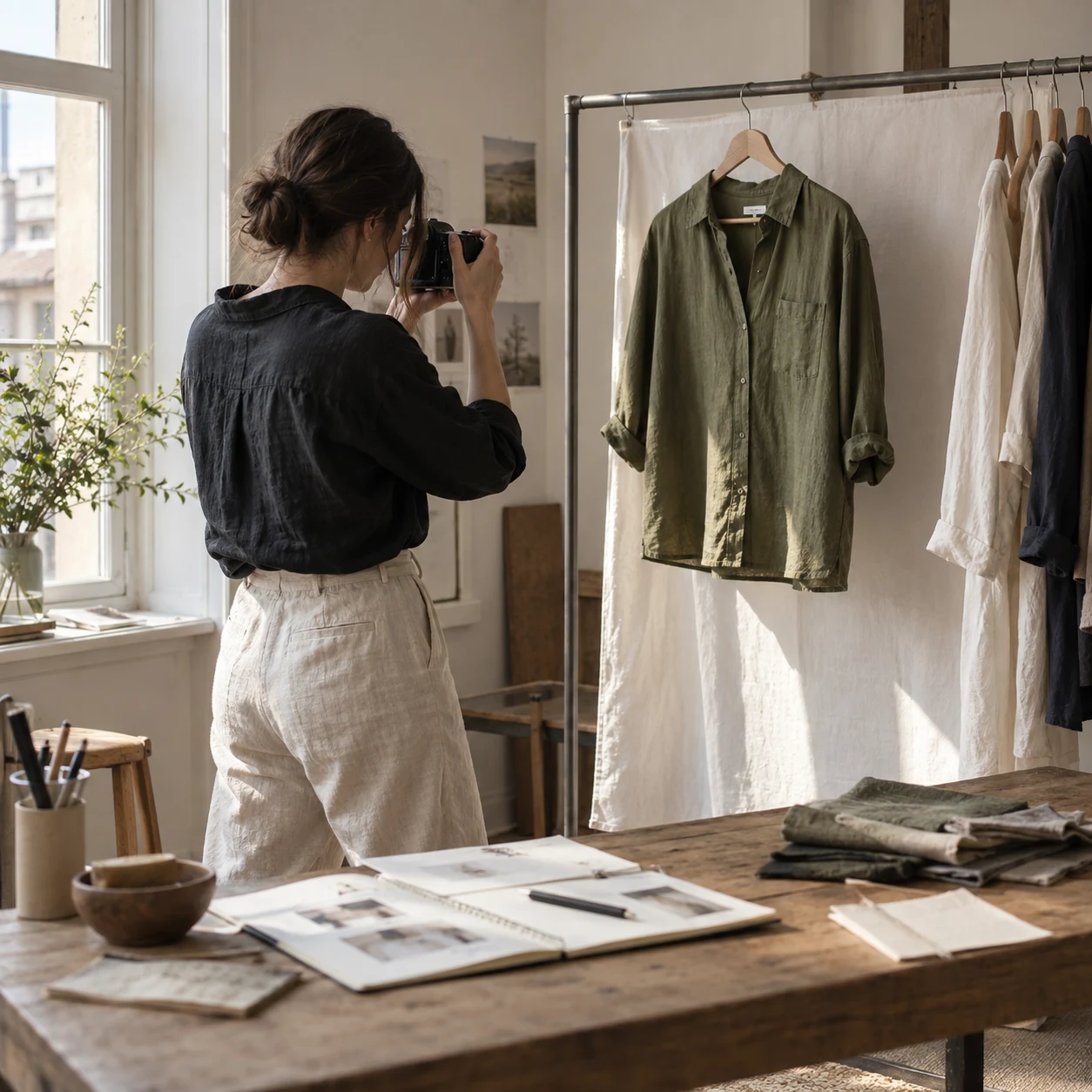
Studio
A useful product image explains the garment. Mood can add context, but it should not conceal the details someone needs to understand before choosing a size.
Read the story
Wardrobe
A restrained palette does not have to feel flat. Surface, weight and proportion can create variation while the colours stay close together.
Read the story
Wardrobe
A reset can begin with a small rail of clothes you already own. The aim is to see them clearly enough to make better use of them.
Read the story
Wardrobe
A jacket changes the outline of everything beneath it. Looking at a few relationships can help explain why one combination feels easier than another.
Read the story
Studio
A colour study is a question on a page. Turning it into clothing means checking how those colours behave at different scales and on different surfaces.
Read the story
Materials
Collars, cuffs and buttons take up little space, yet they shape much of the experience of wearing a shirt. Look at how they work together.
Read the story
Wardrobe
Combining patterns is easier when you give them distinct roles. Think about scale and contrast before deciding whether two patterns belong together.
Read the story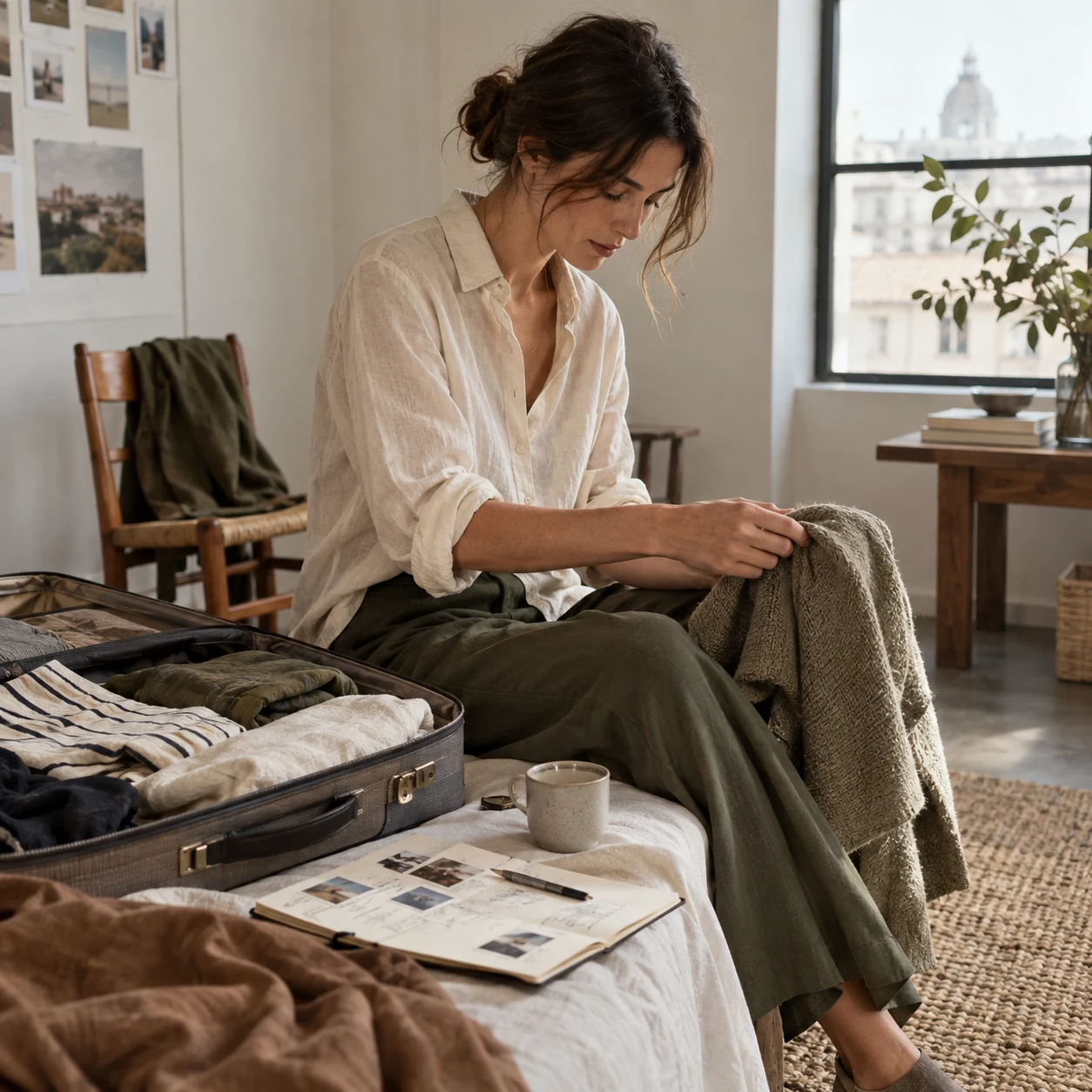
Fieldnotes
A walk that begins in sunshine can end in a cool breeze. A useful light layer earns its place by being easy to carry and easy to put on.
Read the story
Studio
Creative work improves when feedback describes what someone sees and needs. Agreement is not the only useful outcome of a conversation.
Read the story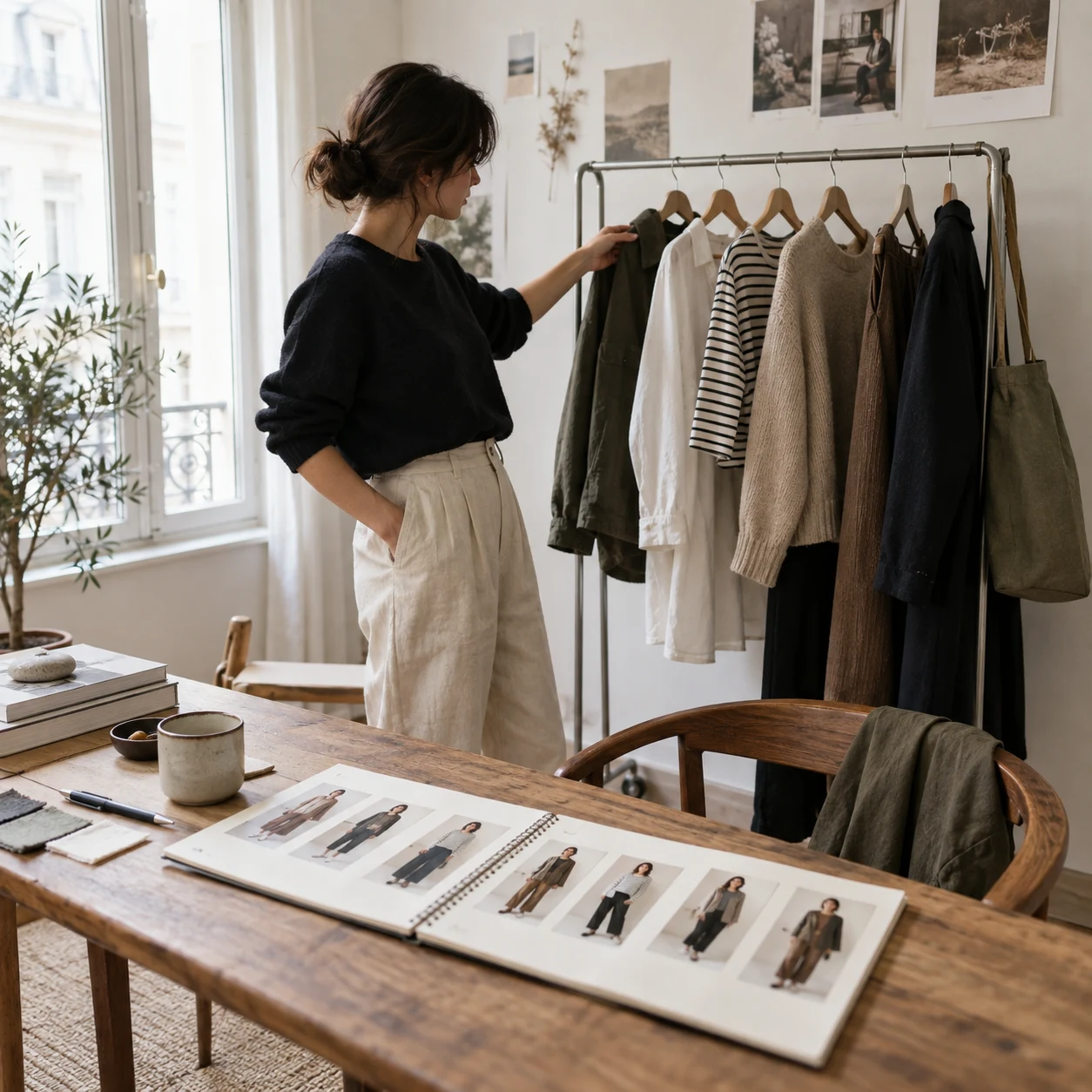
Wardrobe
A small selection can offer more combinations when the pieces have clear relationships. Build around the week ahead rather than a theoretical capsule.
Read the story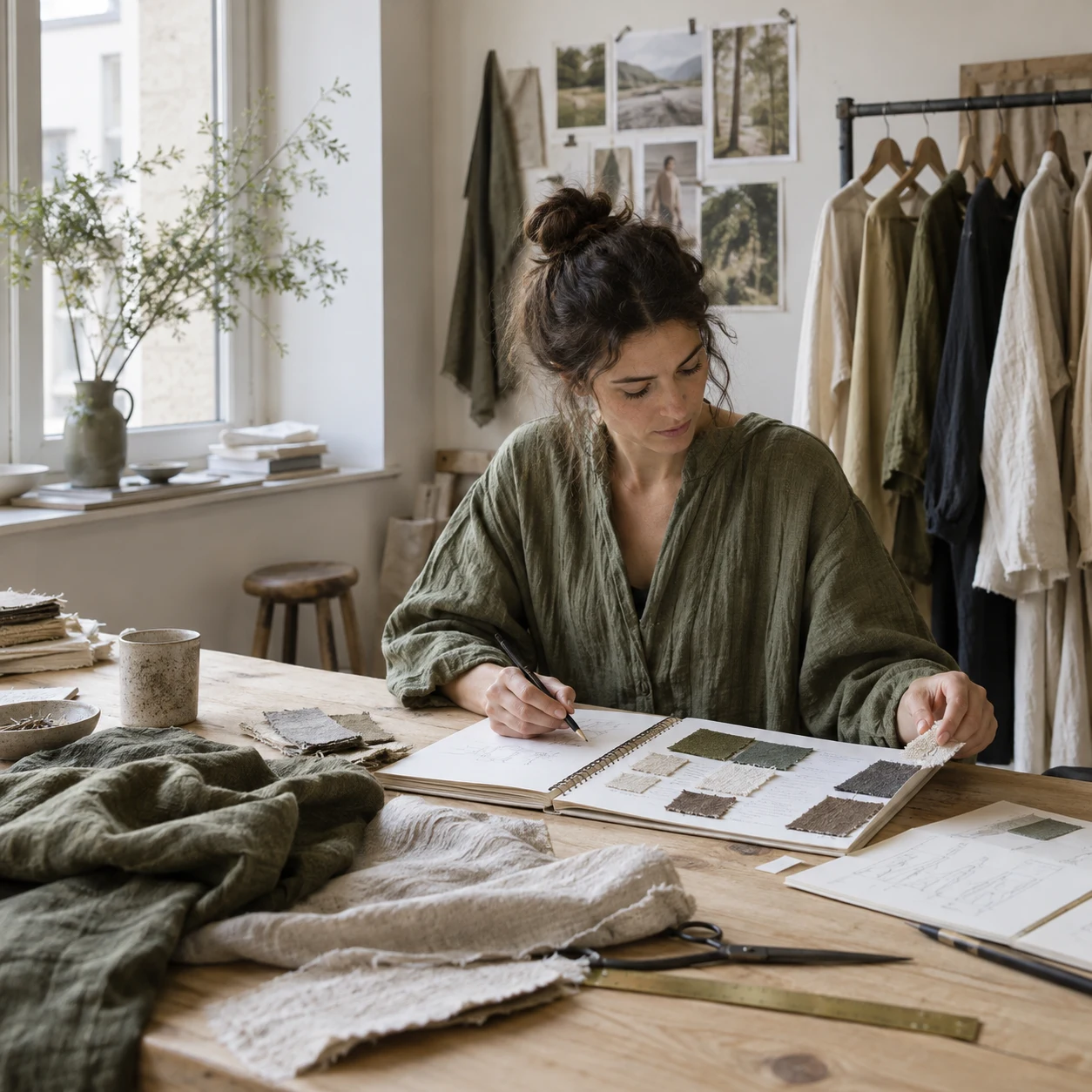
Studio
An end-of-season review is most useful when it turns observations into a short list of actions. Begin with the items and notes, not a polished story about them.
Read the story
Materials
A broad question often receives a broad answer. Narrowing the question can reveal what is known, what is uncertain and what evidence would be useful.
Read the story
Materials
Packaging has several jobs: protect an item, keep the contents together and communicate what the recipient needs to know. More layers do not automatically perform those jobs better.
Read the story
Materials
Denim care begins with the actual care label and the way the garment is used. There is no single washing schedule that suits every fabric, finish or wearer.
Read the story
Fieldnotes
A walk can provide a useful colour study without becoming a search for a perfect scene. Notice relationships between familiar surfaces rather than collecting isolated bright details.
Read the story
Materials
Two garments with the same listed fibre content can feel very different. The composition is valuable information, but it is one part of a larger construction story.
Read the storyClear example delivery€5.50 below €100 · sample orders only
A local return journeyNo request or refund is transmitted
No payment collectedExplore checkout without card details