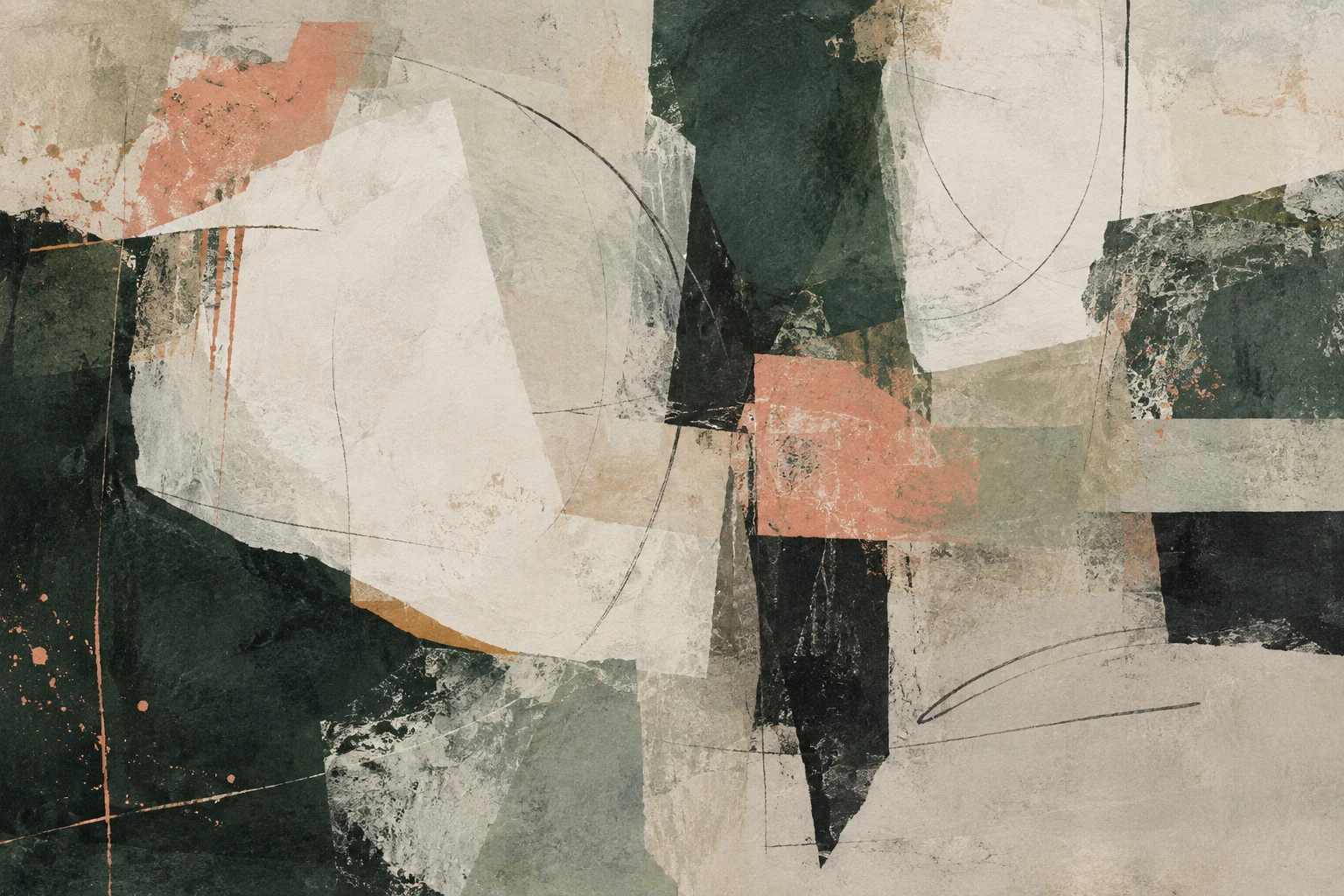

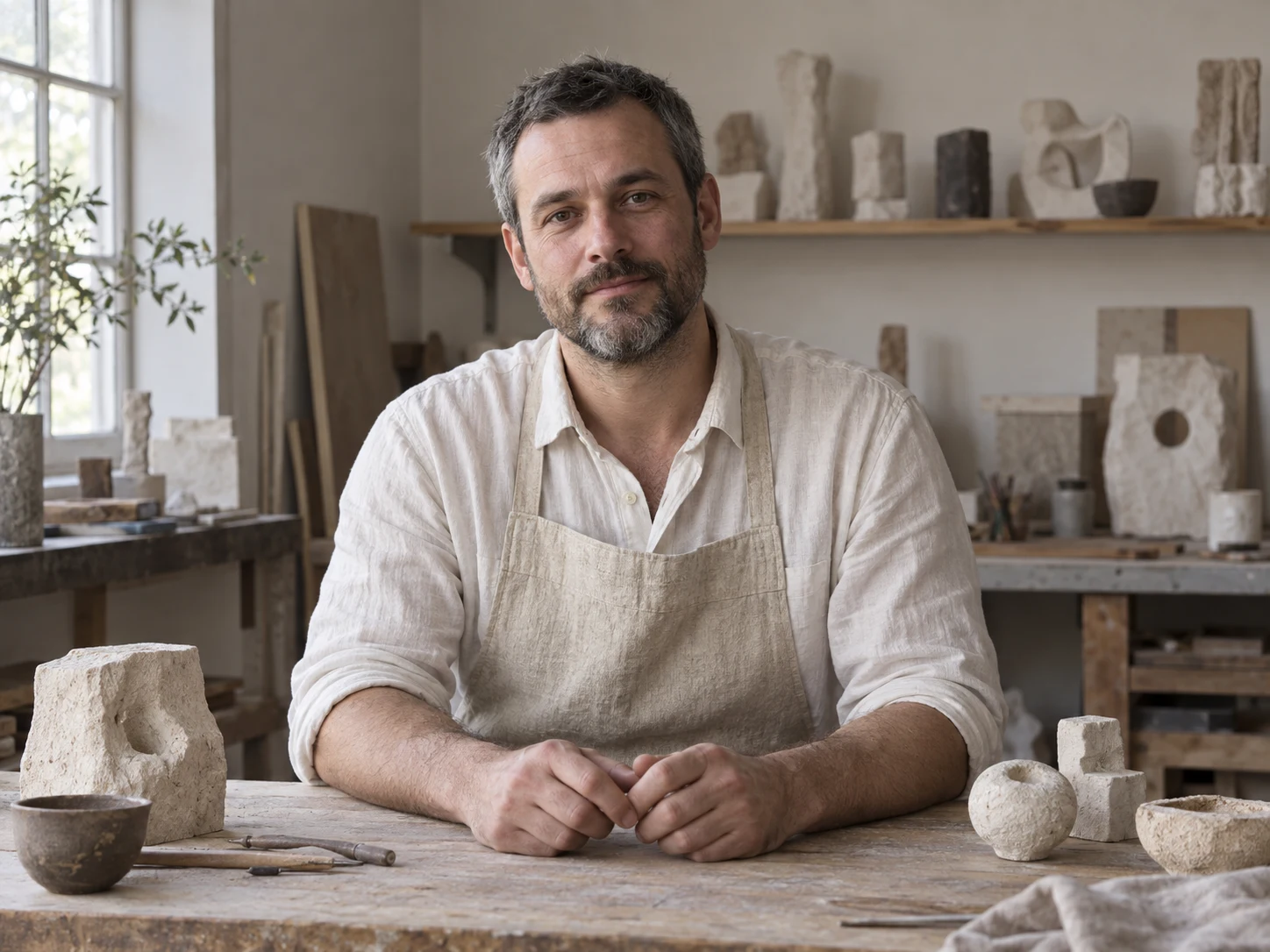

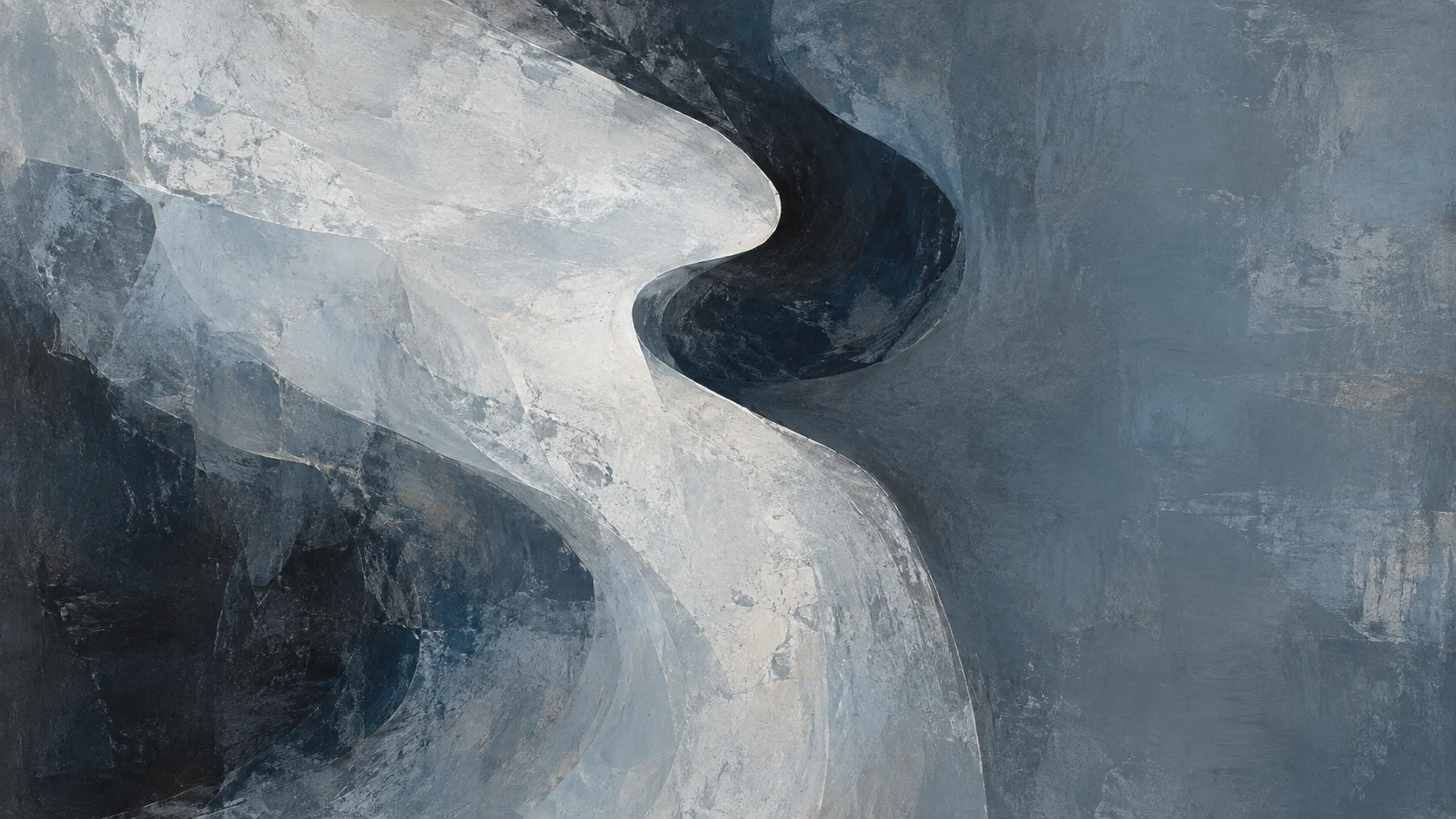
Ground Register follows the history that remains visible in a painted surface. Ada Lorne's exhibition begins with dense blue passages, bright interruptions and the friction between marks travelling in different directions. Some earlier layers are exposed; others can only be sensed through a ridge or a change in colour. The exhibition asks what can responsibly be inferred from those traces. A surface may suggest pressure or revision without allowing a viewer to reconstruct every action that produced it. The uncertainty is part of the evidence, rather than an invitation to invent a dramatic story of making.
Lorne's imagined studies compare grounds at different stages of drying. A brush catches in one place and passes freely through another; a thin mark may remain sharp beside a thick passage that resists it. Those differences bring the order of making into view. Its visual references range from close ridges and scratched colour to an image crossed by emphatic drawn lines. These studies are kept distinct in the composition so that a small detail is not mistaken for a complete painting. Captions describe what is visible and do not assign an unverified medium, location or author to the pictured work.
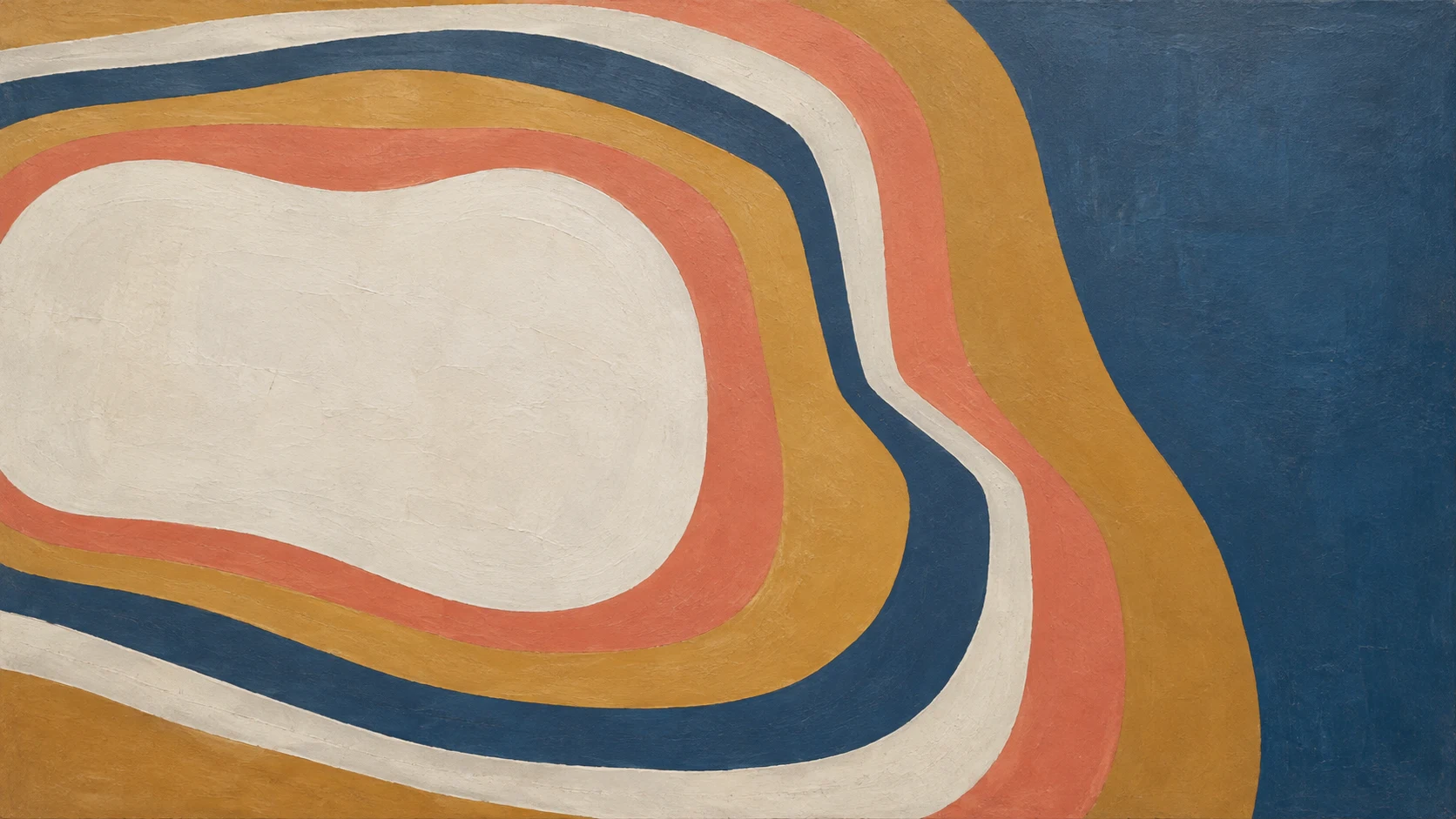
Follow the strongest direction across the surface. Then find a smaller mark that resists it, and compare the different kinds of pressure the two suggest.
Ground Register occupies the fictional programme from 3 October to 22 November 2026. Ground Register ends with a simple way to remember a painting: describe the order in which a few marks attracted attention, rather than trying to retain every colour. Returning to the image may reveal that a different mark now leads the route. Lorne's practice gives such changes a useful place in discussion. A painting can have a fixed surface and still produce a changing sequence of encounters. The register in the title is therefore both the trace left by making and the record a viewer begins to form while looking.
Marks that hold their ground
A small exposed line can carry the history of a surface.