

 View study ↗
Still-image study
The space between joined hands
Joined painted hands invite recognition, but the gaps around their fingers offer a slower route. Follow one interval from bodily gesture into the surrounding colour field.
Artist · Ternform Gallery
Featured exhibition
—
Cassian Vale follows the expressive weight of a painted hand, considering how a gesture stays readable when colour, scale and the surrounding wall complicate its meaning. An exhibition about recognition and the attention that comes after it.
Explore the exhibitionCassian Vale's practice begins with the expressive weight of a hand. Fingers can rest, offer, conceal or brace; a painted gesture can remain legible even when much of a body is absent. He develops figurative mural studies alongside looser colour paintings, using each to test the assumptions of the other. A clearly drawn hand may sit inside an unsettled field, while an abstract passage may retain the rhythm of a movement without describing a person. The relationship between those two modes is the central thread of his programme at Ternform.
Vale works first with drawings that isolate a small decision: the space between two fingers, the angle of a wrist or the way a sleeve changes a silhouette. He then asks how that decision behaves when a viewer is several steps away. A line that feels precise on paper may disappear on a rough wall; a narrow coloured band may begin to dominate a figure when enlarged. Rather than correcting every difference, he keeps some of them as information about scale. His imagined studio practice includes permission for any proposed wall, a plan for access and an account of how a temporary image will be removed.
Gesture Ledger concentrates on figurative signs and their public readings. Ordinary Spectra follows a different route, allowing broad colour passages to carry the turning and pausing that a hand might otherwise describe. The two exhibitions belong to the same practice, but neither is a set of illustrations for the other. Their shared question concerns attention: how an image offers a viewer a point of entry, and what happens when that point no longer provides a reliable centre. The later colour exhibition makes this change particularly clear without presenting abstraction as a final stage of artistic development.
Vale keeps a record of failed translations between drawing and painting. A convincing sketch can become stiff when enlarged; a hurried test can reveal a useful gap that disappears during refinement. These records help him explain decisions without turning a finished image into a story of inevitable progress. He asks viewers to begin with a concrete relation, such as a hand against a coloured border, and then test whether their first reading survives a longer look. The gesture need not yield one message. What matters is that the painting offers enough specific evidence for several readings to remain accountable to the same surface.
Short exercises for a slower look. Open a study to read the full note; its original accompanying illustration is forthcoming.
View study ↗Still-image study
Joined painted hands invite recognition, but the gaps around their fingers offer a slower route. Follow one interval from bodily gesture into the surrounding colour field.
 View study ↗
Still-image study
A turquoise eye enlarges a familiar feature to wall scale. Compare the information needed for recognition with the surface interruptions that become visible through enlargement.
View study ↗Still-image study
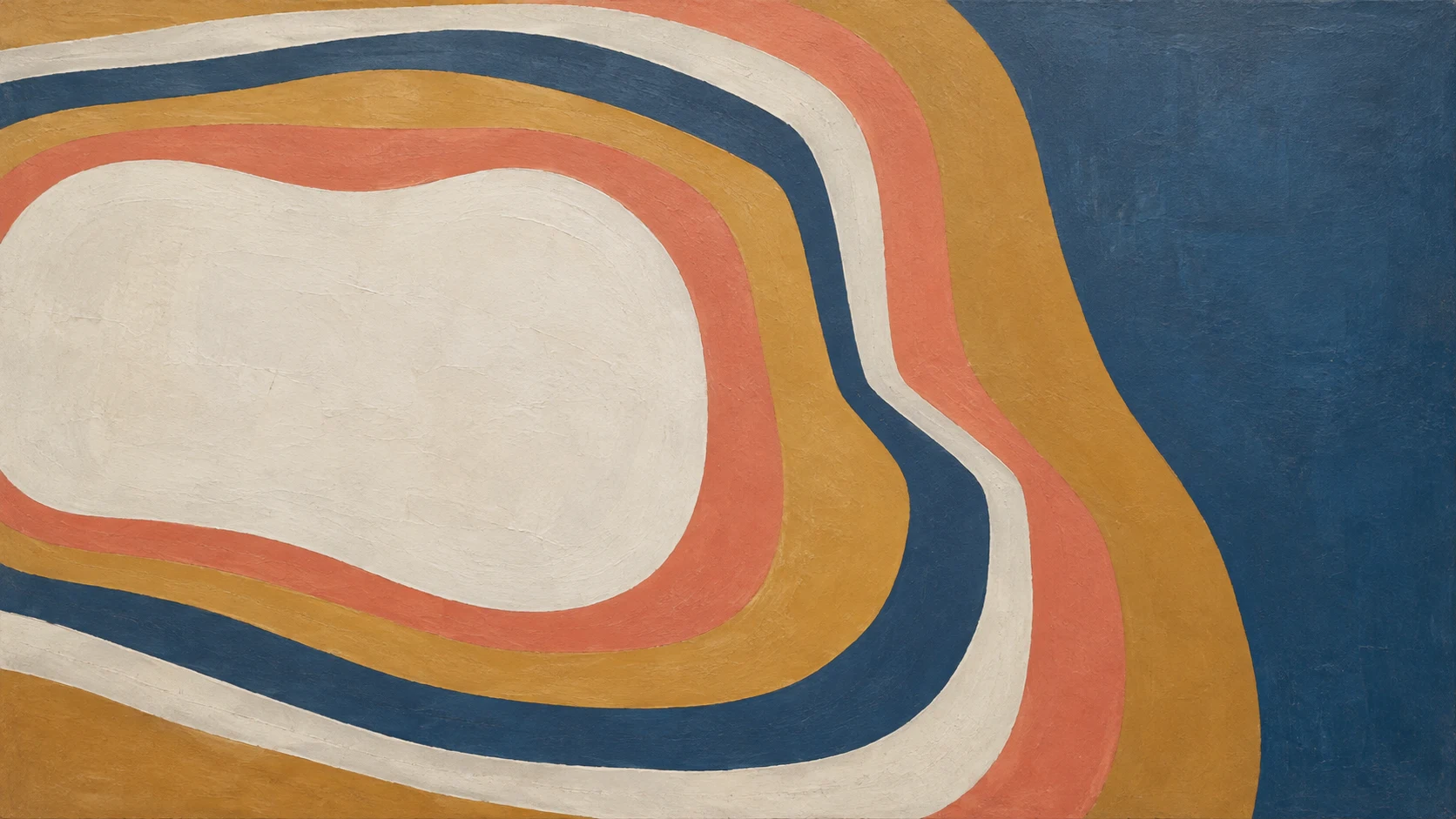
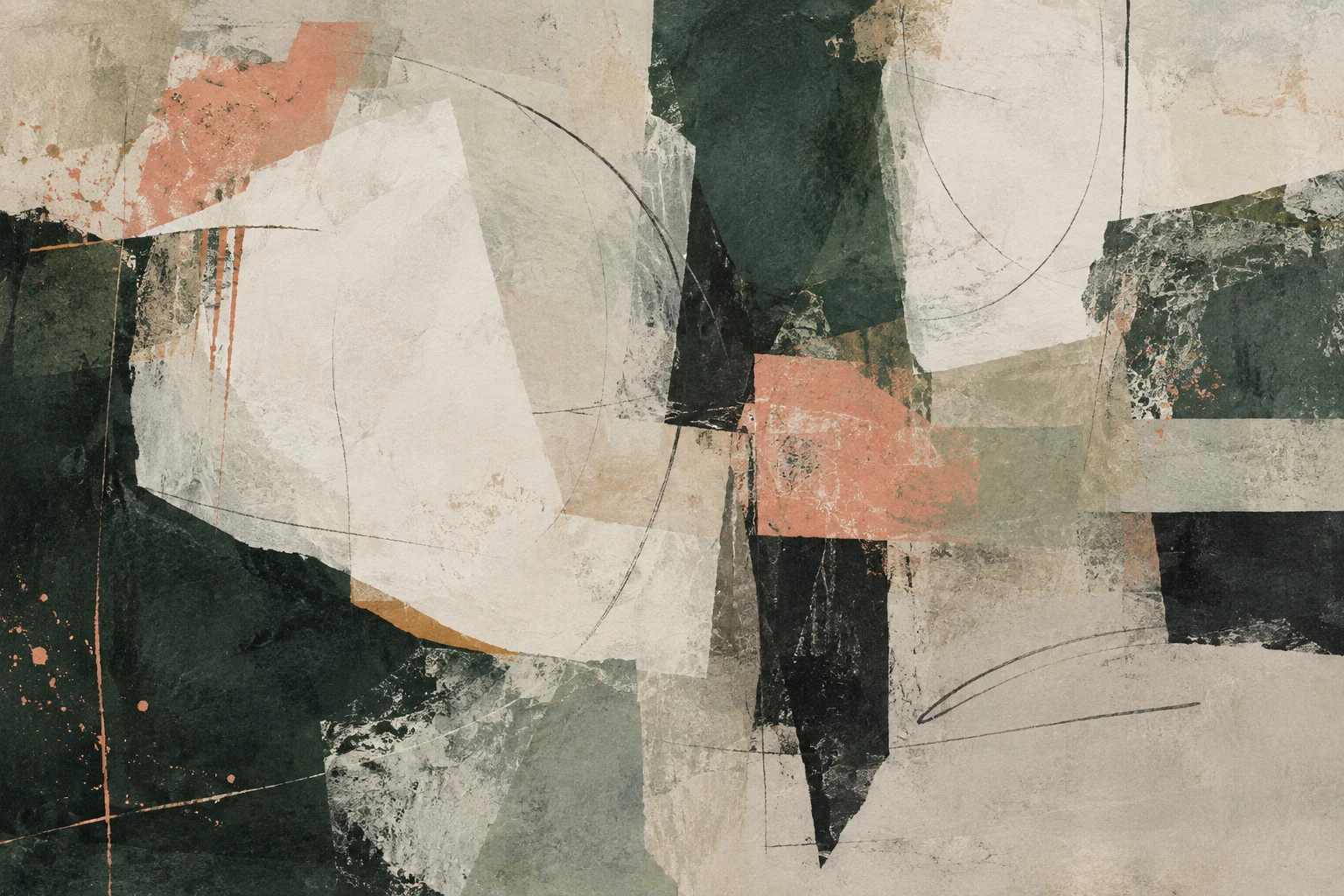
A multicoloured field carries movement without a clearly drawn body. Trace a bright passage and identify the local mark that makes an impression of pressure convincing.
View study ↗Still-image study
A yellow sculpted head is held in one hand. Read the supporting gesture and the scale it establishes, while keeping the object distinct from a portrait or sale listing.
Three editorial recommendations with related questions. Artist subjects are identified in each story; a recommendation does not imply the artist appears in it.
The spring exhibition followed painted hands from an intimate drawing to a public scale. Its material tests reveal why enlargement changes more than size.
Read the storyCassian Vale looks back at the summer exhibition and forward to a new studio experiment, asking how a turn, a gap and a change of colour can carry movement.
Read the storyUnfired clay panels change at different speeds in a temporary installation. Their uneven surfaces offer an environmental metaphor whose limits remain visible.
Read the storyDates and status use the edition date, 8 September 2026.
—
Cassian Vale follows the expressive weight of a painted hand, considering how a gesture stays readable when colour, scale and the surrounding wall complicate its meaning. An exhibition about recognition and the attention that comes after it.
—
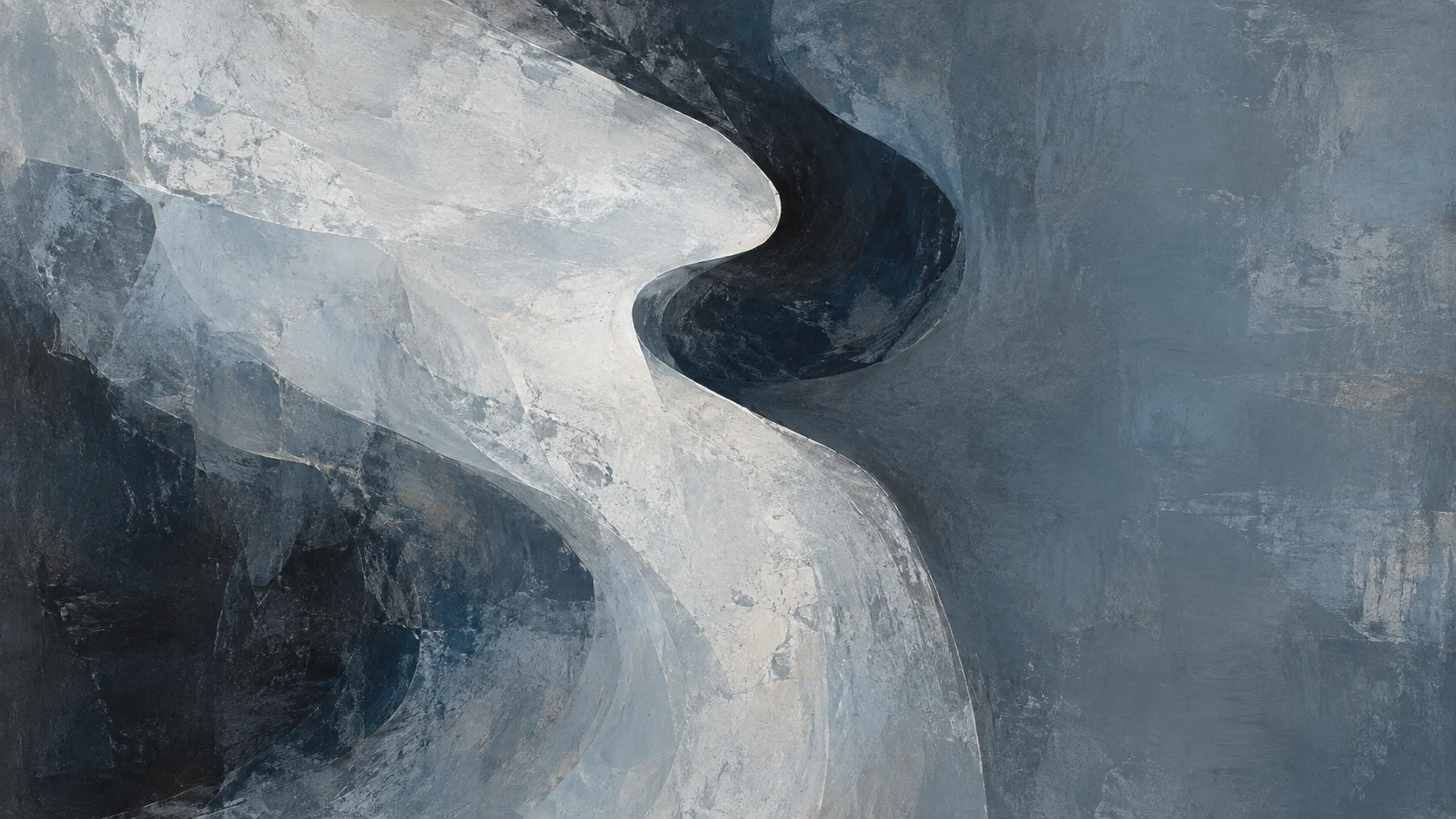
Cassian Vale moves from a recognisable figure to colour that carries a gesture of its own. Broad fields, narrow gaps and changes of pressure connect this summer exhibition with the questions first explored in Gesture Ledger.