


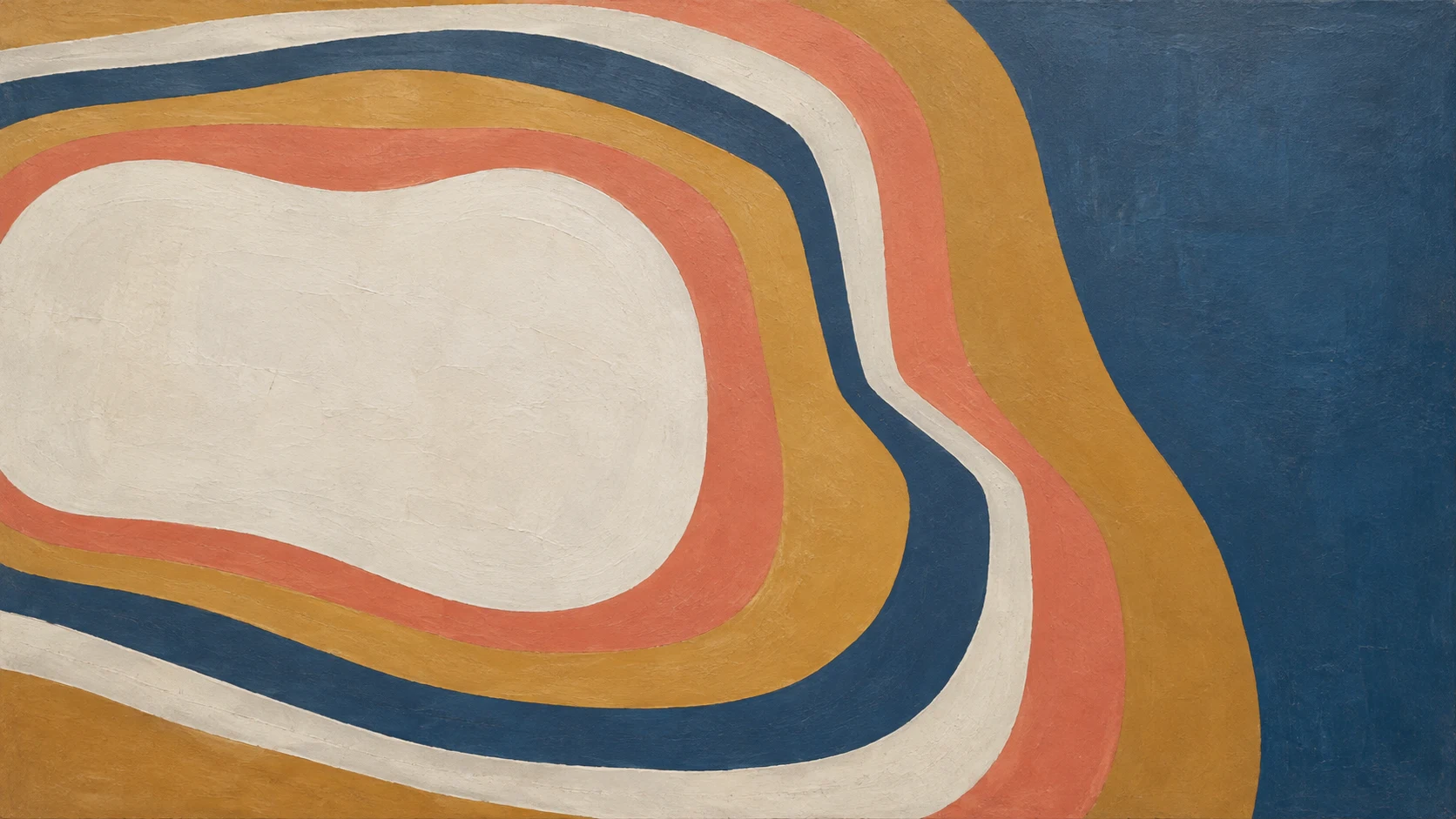
Ordinary Spectra follows Cassian Vale away from an explicitly painted figure and into a field where colour carries the movement. It is a separate exhibition within the same practice as Gesture Ledger, not a claim that abstraction improves on figurative work. Broad blue and pink passages turn, gather or thin out in ways that can recall a gesture without describing a body. The question is what remains when a familiar point of recognition has been removed, and whether an image can still offer a viewer a precise place to begin.
Vale's imagined process returns to a small drawing after setting its subject aside. A turn of the wrist becomes a change of direction; the space beside a hand becomes a gap between colour fields. Enlarging that relation does not guarantee an interesting painting. The exhibition follows revisions that make a passage less literal while keeping its internal pressure. The reference sequence supplies comparisons of pale fissures, soft clouds of colour and fluid-looking fields. It illustrates differences of edge and density, without asserting that the images share a technique or were made by the fictional artist whose practice frames the discussion.
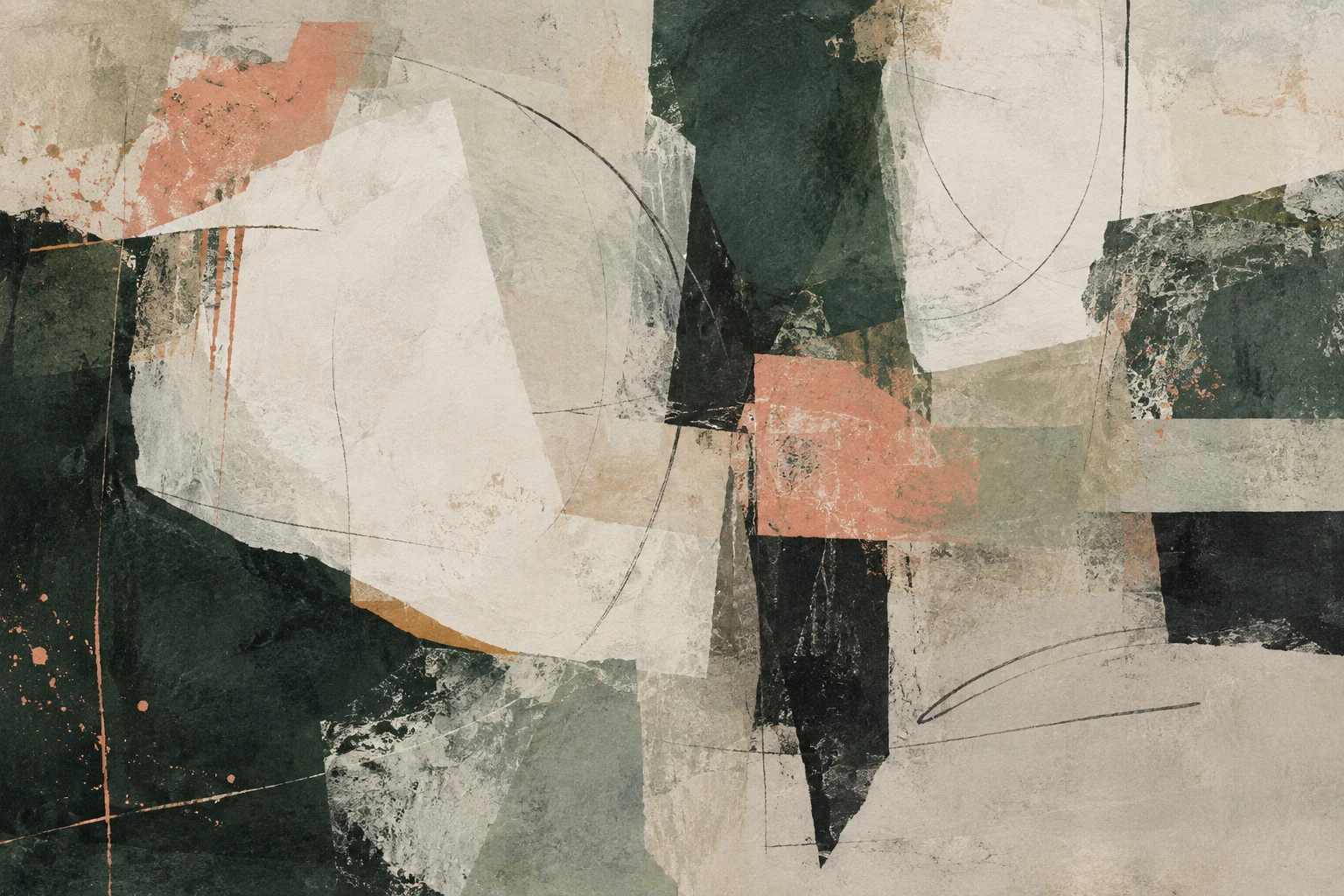
Look for a place where one colour seems to lean against another. Describe the contact before deciding whether the arrangement resembles something beyond the painted field.
The exhibition's summer place in the programme, from 13 June to 2 August 2026, is now part of the edition's archive. Its programme page remains available as a route back into Vale's broader practice. A visitor who began with Gesture Ledger can compare how the two texts describe entry points, interruption and scale. There is no requirement to prefer one mode of painting. The useful question is which decisions stay legible when the figure is absent. Ordinary Spectra ends by treating colour as an active relationship: not a decorative surround for an idea already formed elsewhere, but a means through which an image can develop its own particular movement.

When colour takes the lead
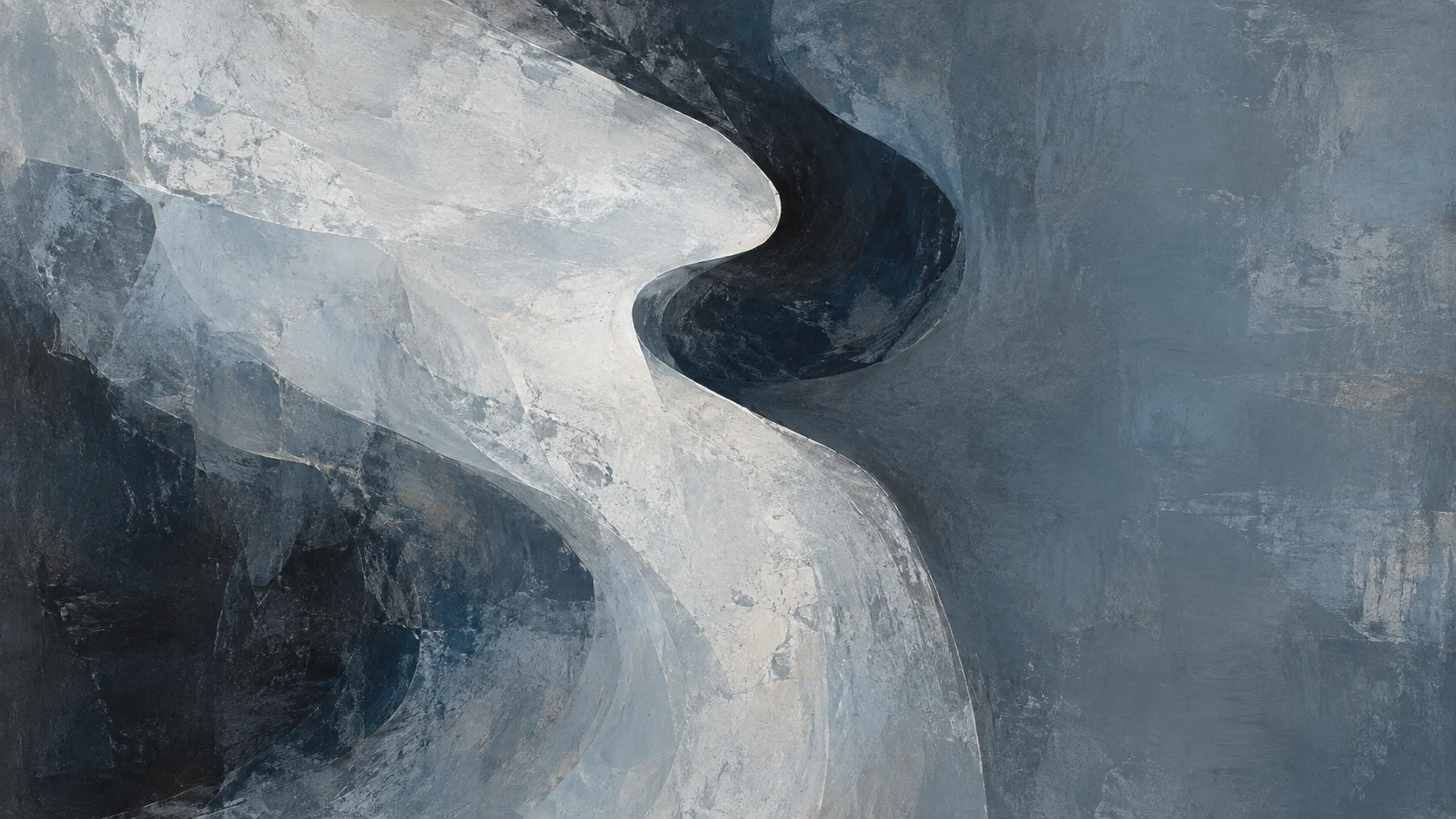
Colour can carry a gesture without describing a single hand.