Mara between the pot and the pass
A fictional chef profile follows the handover that turns a recipe into a meal.
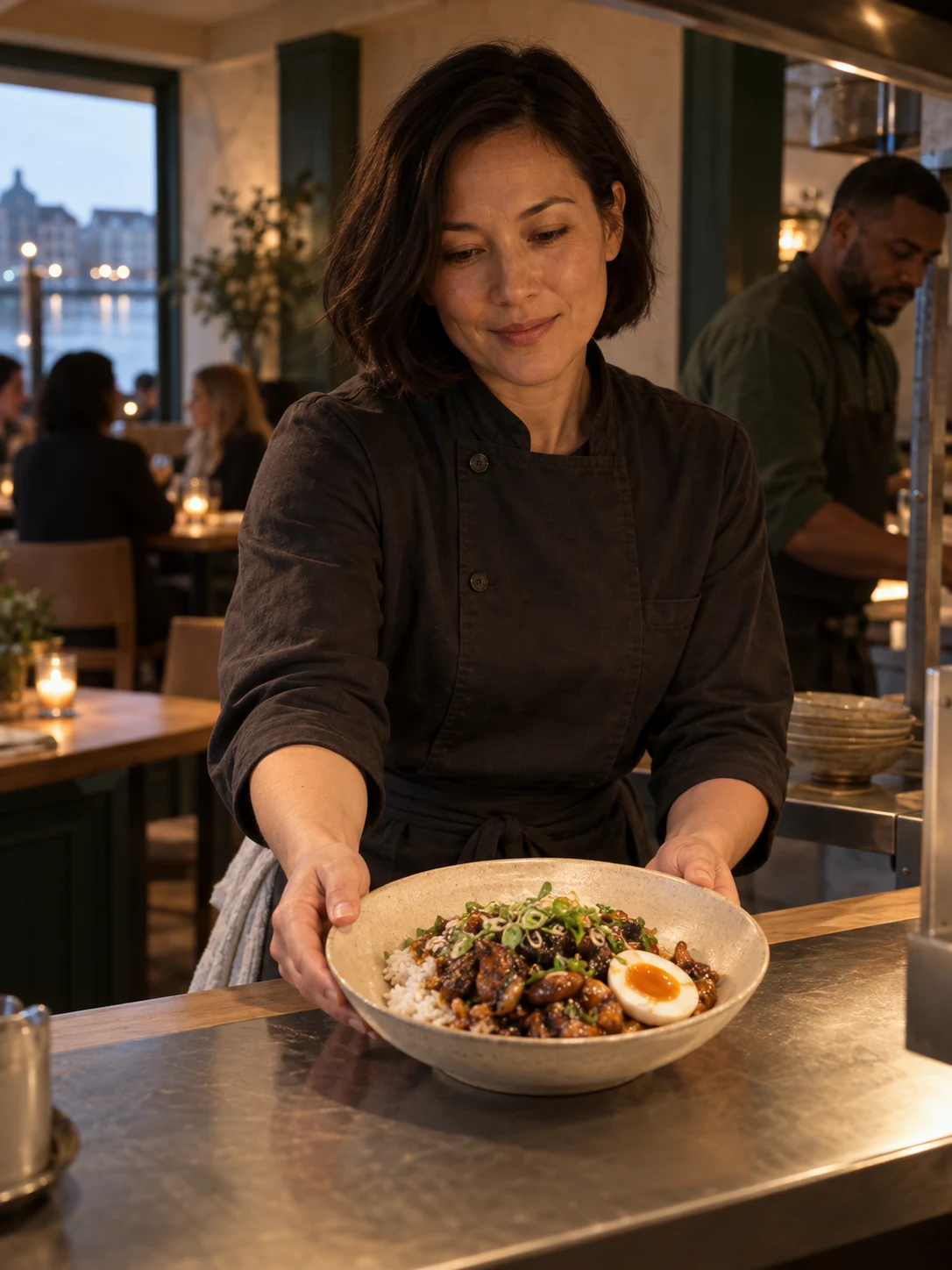
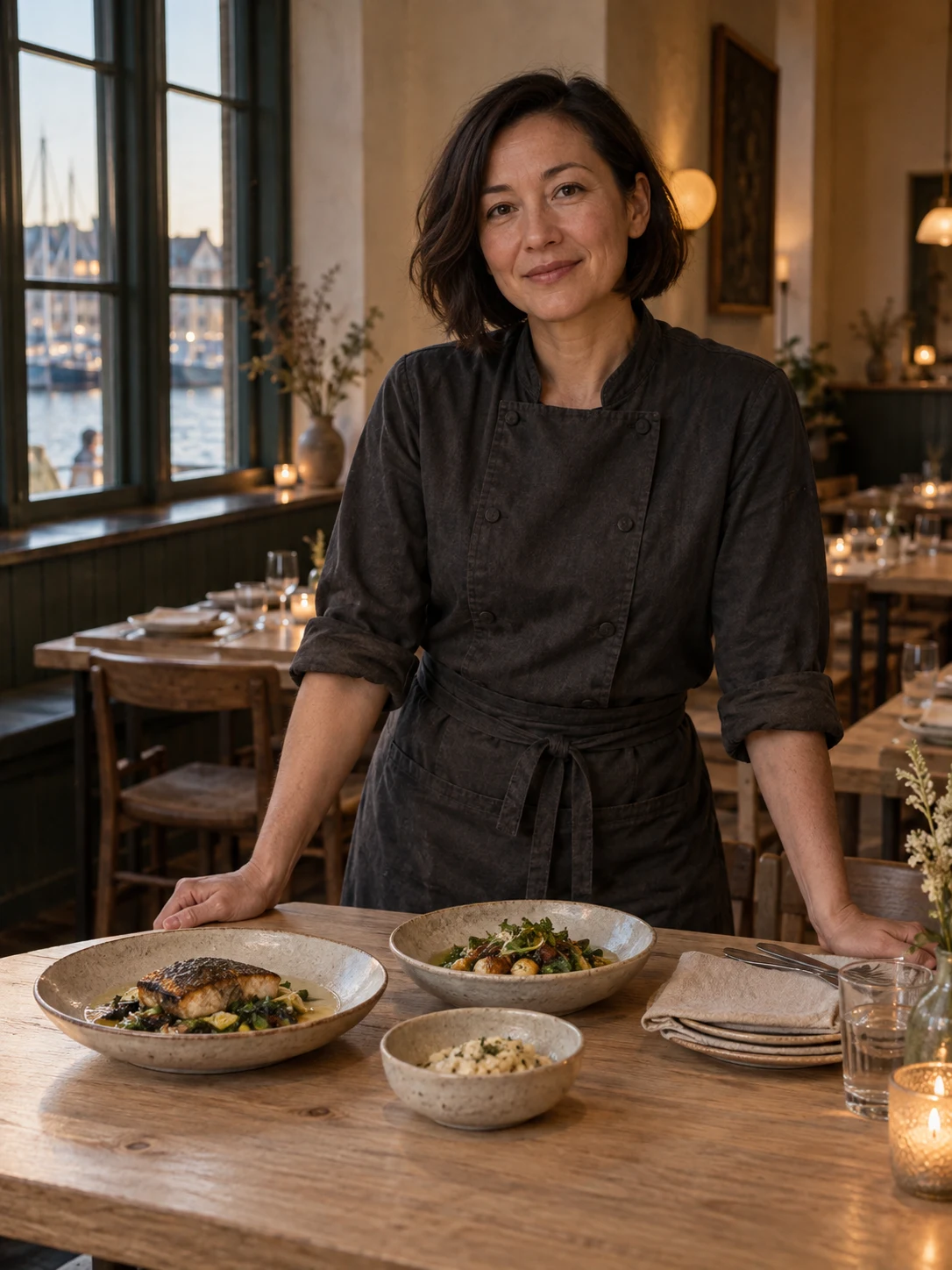
Mara Vale’s place in the restaurant story is the short distance between a pot and the pass. A recipe can be convincing in the pan, yet the completed serving still has to arrive with the right temperature, portion and utensil. In the shared test kitchen of 2016, Jun’s notes about service sat beside her notes about flavour. They learned to discuss the same plate from both positions: the person finishing it in the kitchen and the people waiting to begin at the table.
Rice became a useful way to think about that handover. It could support very different dishes, but it had to remain warm and measured rather than being treated as a decorative base. The complete lunch bowls grew from that observation. Chicken, tofu, trout and mushrooms each carry their own composition, while rice provides continuity. Mara liked the way a plain element gave a diner control over the sauce, leaving room for a sharper pickle or a fresh piece of garnish in the next bite.
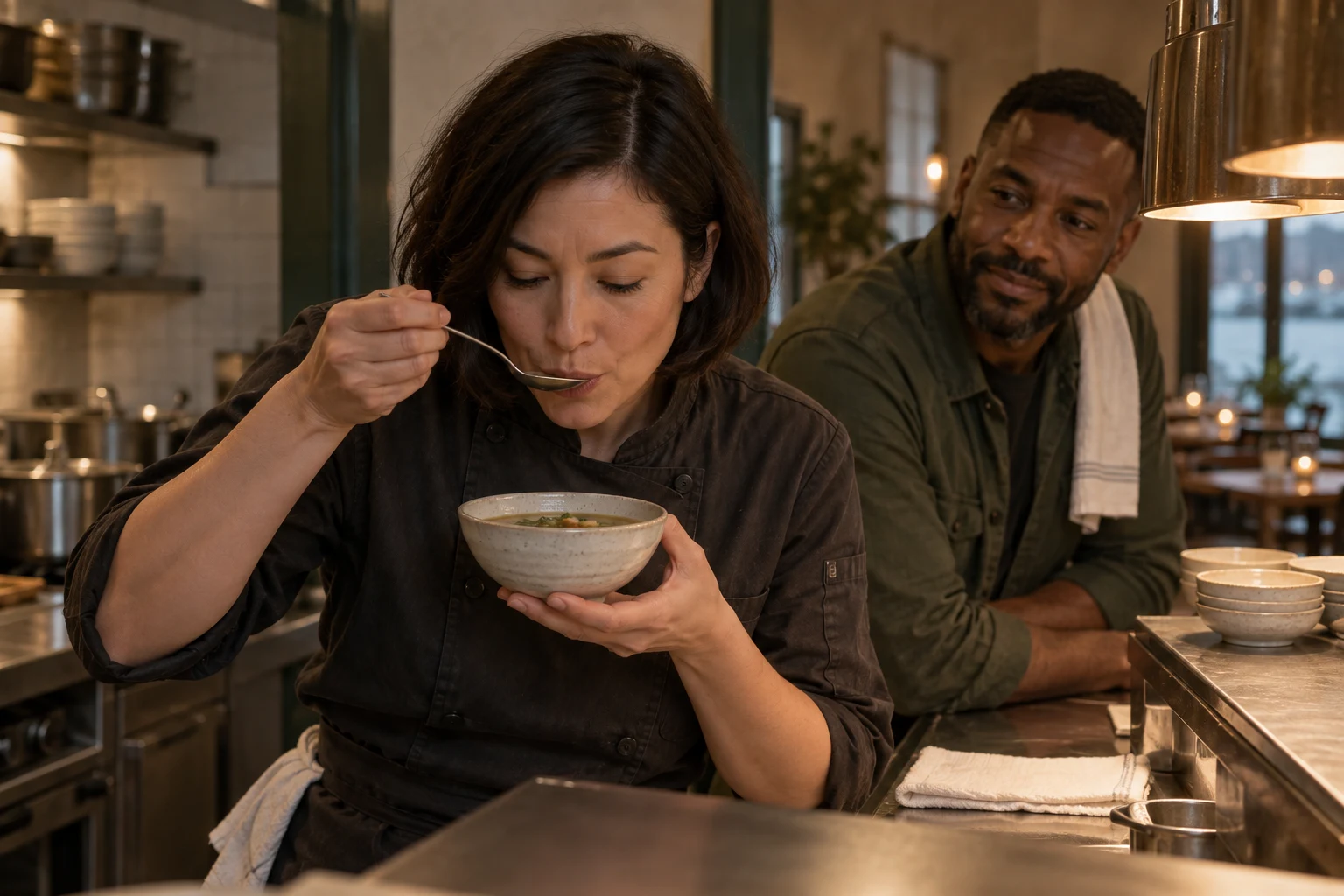
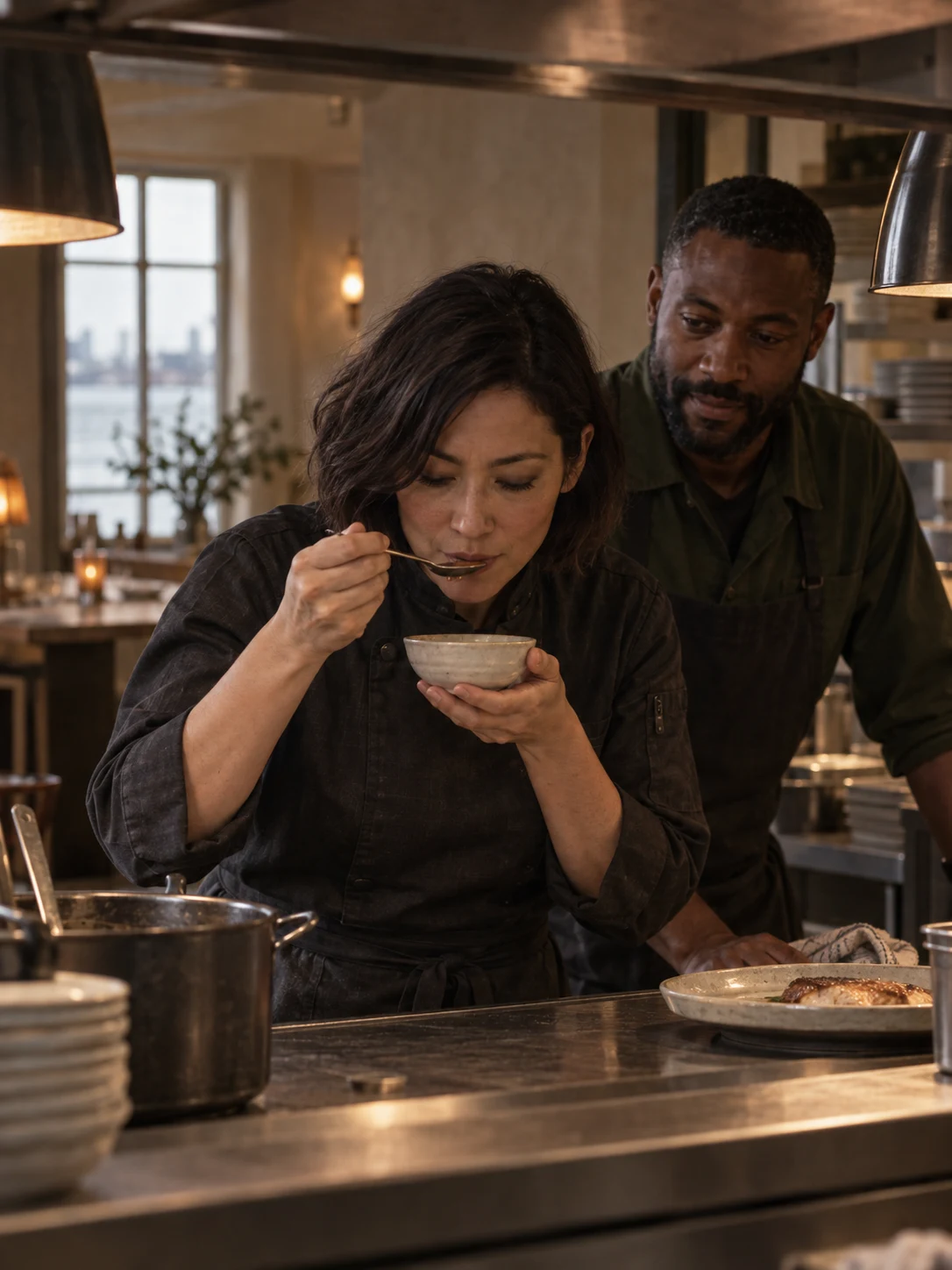
Her notes became more exact over time. A stock named its celery; a sauce named its wheat-brewed soy; a shared selection stated how many rice portions it included. These were practical decisions that changed what a guest could understand before ordering. Mara also tasted the whole serving rather than only the strongest spoonful. A dish that felt balanced at the beginning still needed to remain welcome at the end, with enough contrast to keep its final bite from feeling inevitable.
A recipe is still a proposal until the whole serving reaches the table.
Mara Vale · Original fictional dialogue
The room on Lantern Walk opened in the story in 2018. A pause in dining-room service followed in 2020, giving the founders time to work through their recipe and arrival notes. The Reed Room came later, in 2022, as a quieter place for one larger group. Mara’s part in those changes was not only the food. A private table needed dishes that could be shared comfortably, a common beginning and a clear distinction between an individual portion and a selection priced for two.
She returns often to aubergine because its texture makes those decisions visible. The vegetable should be soft before the glaze finishes its surface; the lunch plate’s rice and cucumber provide different companions rather than echoing its richness. The same habit appears in a braise with turnip, a broth with fresh spring onion and a dessert with tart plum. Mara is interested in how a diner can move between components, choosing a plain bite or a sharper one without losing the sense of a complete dish.
At the pass, Jun asks whether the table has what it needs to begin. Mara may be thinking about the last spoon of sauce, but the meal also needs a comfortable serving bowl, the right utensil and a clear place for a shared plate. Their two viewpoints meet there. The profile leads into the aubergine study and the longer last-spoon conversation, where those decisions can be followed in detail. The menu then gives them their ordinary form: a dish, its ingredients, a portion and a price.