
An Acrylic Workshop Finds the Picture in the Second Layer
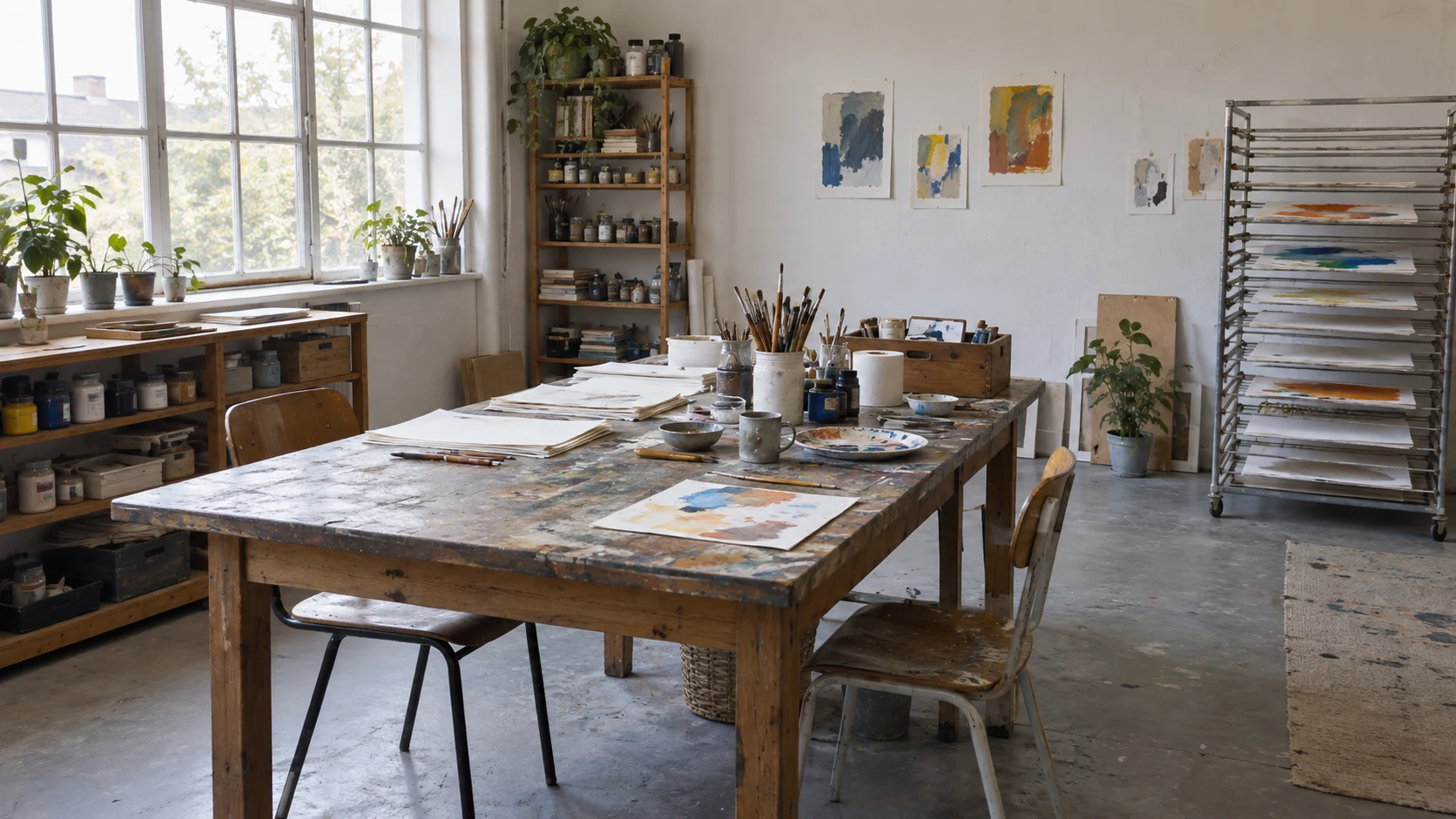
The most useful comparison at a recent acrylic workshop was between two passages mixed from the same colours. One had been worked repeatedly while damp; the other was left to dry before a second layer crossed it. Their difference gave the group a way to discuss paint as a sequence of decisions. By the end of the session, a modest set of colour trials had become a record of how each painting had developed.
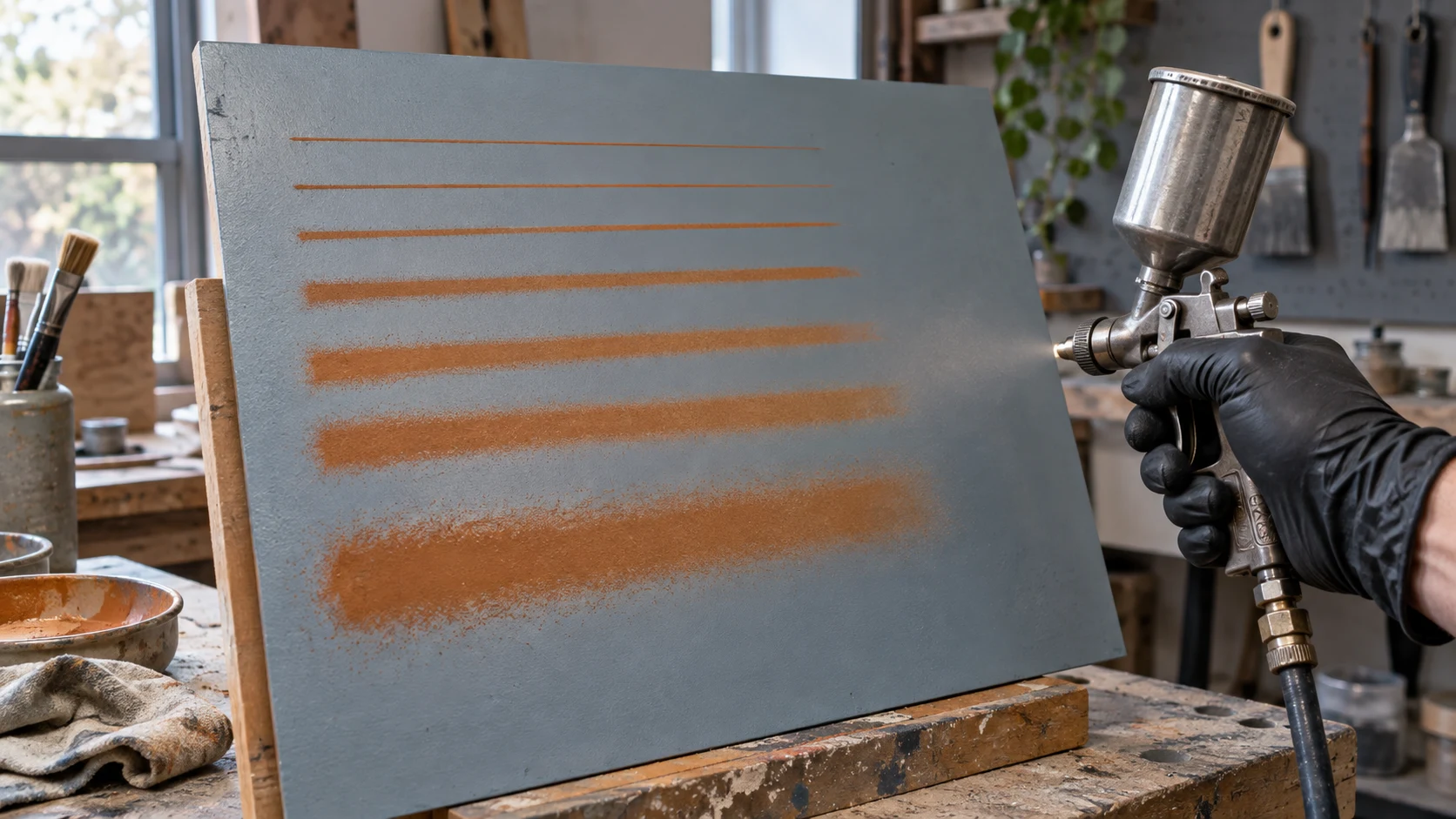
The opening exercise used a limited palette and small test areas. Participants mixed a middle tone, then made a lighter and a darker relation beside it, keeping a note of the main proportions. The aim was not to reproduce a prescribed swatch perfectly. It was to see how a colour changed when placed next to another and to notice how much adjustment a small addition could produce. A test left to dry also offered a comparison with the freshly mixed paint. Rather than treating the first attractive mixture as something that must be preserved at all costs, the group began to regard a palette as a set of relationships that could be rebuilt and revised.
A second layer has a job to do; decide whether it should cover, sharpen, interrupt or let the ground speak.
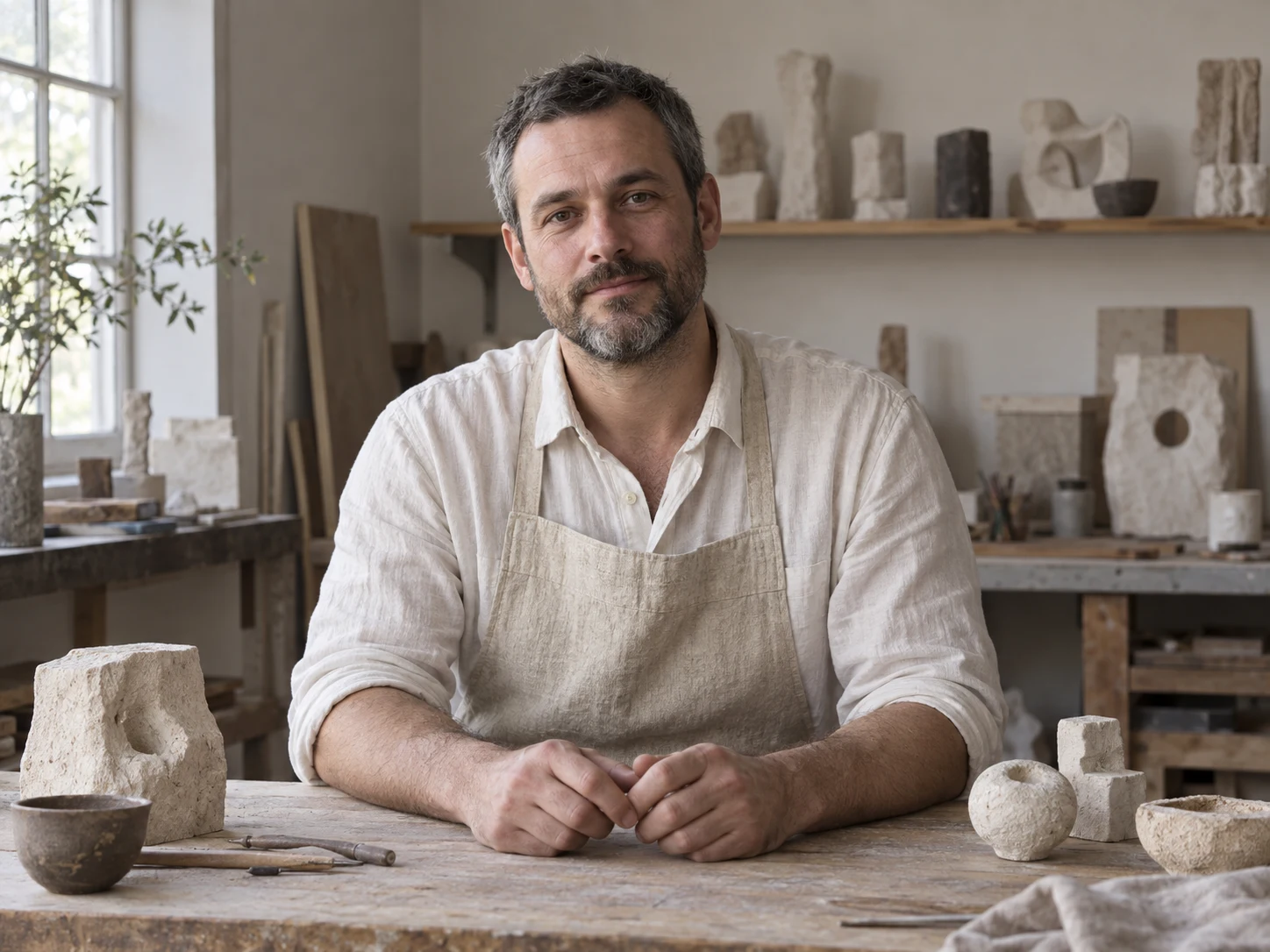
Bea Harker
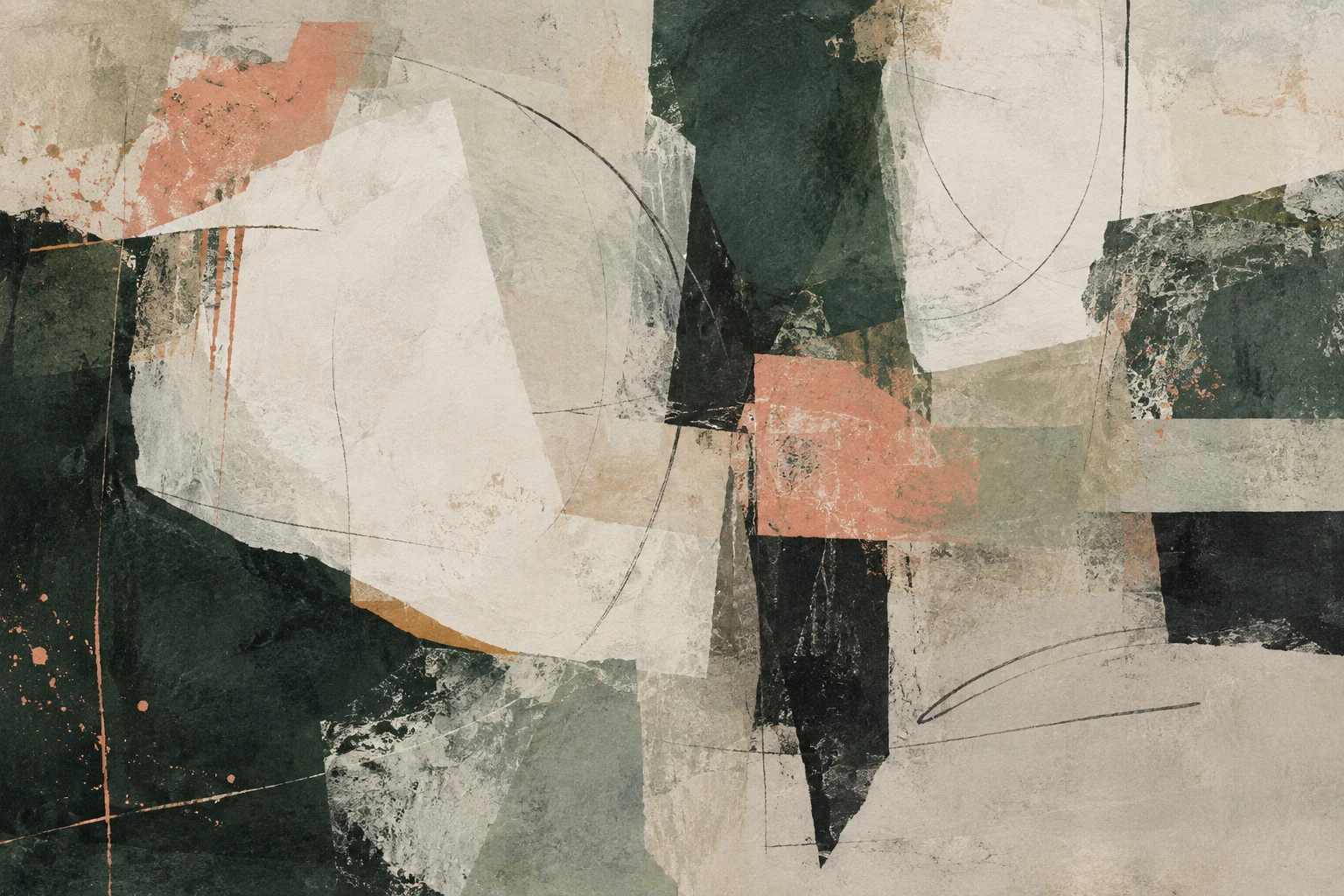
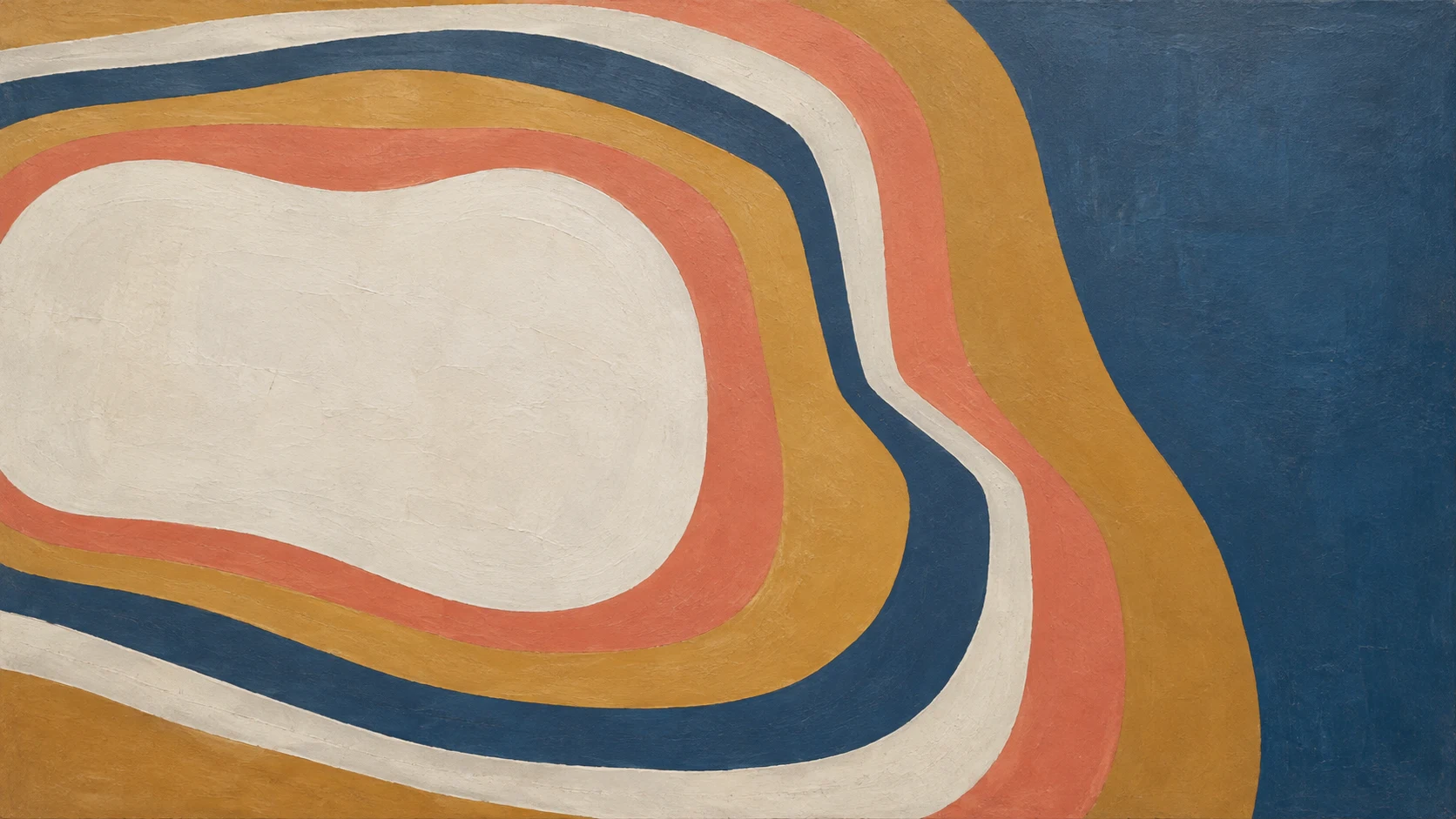
Each participant then chose a simple arrangement with a few broad shapes. Working at that scale made the order of layers visible. A thin first passage left the ground active, while an opaque area established a more definite boundary. Some participants tried to correct a shape before the surrounding paint was ready, producing dragged edges and unexpectedly blended colour. Those effects were discussed without turning every accident into a discovery that had to be celebrated. Sometimes the drag suited the image; sometimes it obscured a needed distinction. A separate test patch allowed a technique to be tried again before further changes were made to the main painting.
Drying intervals became opportunities to look sideways at neighbouring work. The discussion began with description: where the strongest contrast sat, which edge drew attention and whether one shape appeared to advance in front of another. Participants then stated what they had intended, making it possible to compare intention with the observed result. Advice was framed as a trial rather than a command. Covering a small area temporarily with a scrap of paper could test whether a busy passage needed quietening; placing a colour swatch nearby could suggest a new relation without committing another layer. These reversible comparisons made the critique useful even when two viewers preferred different outcomes.
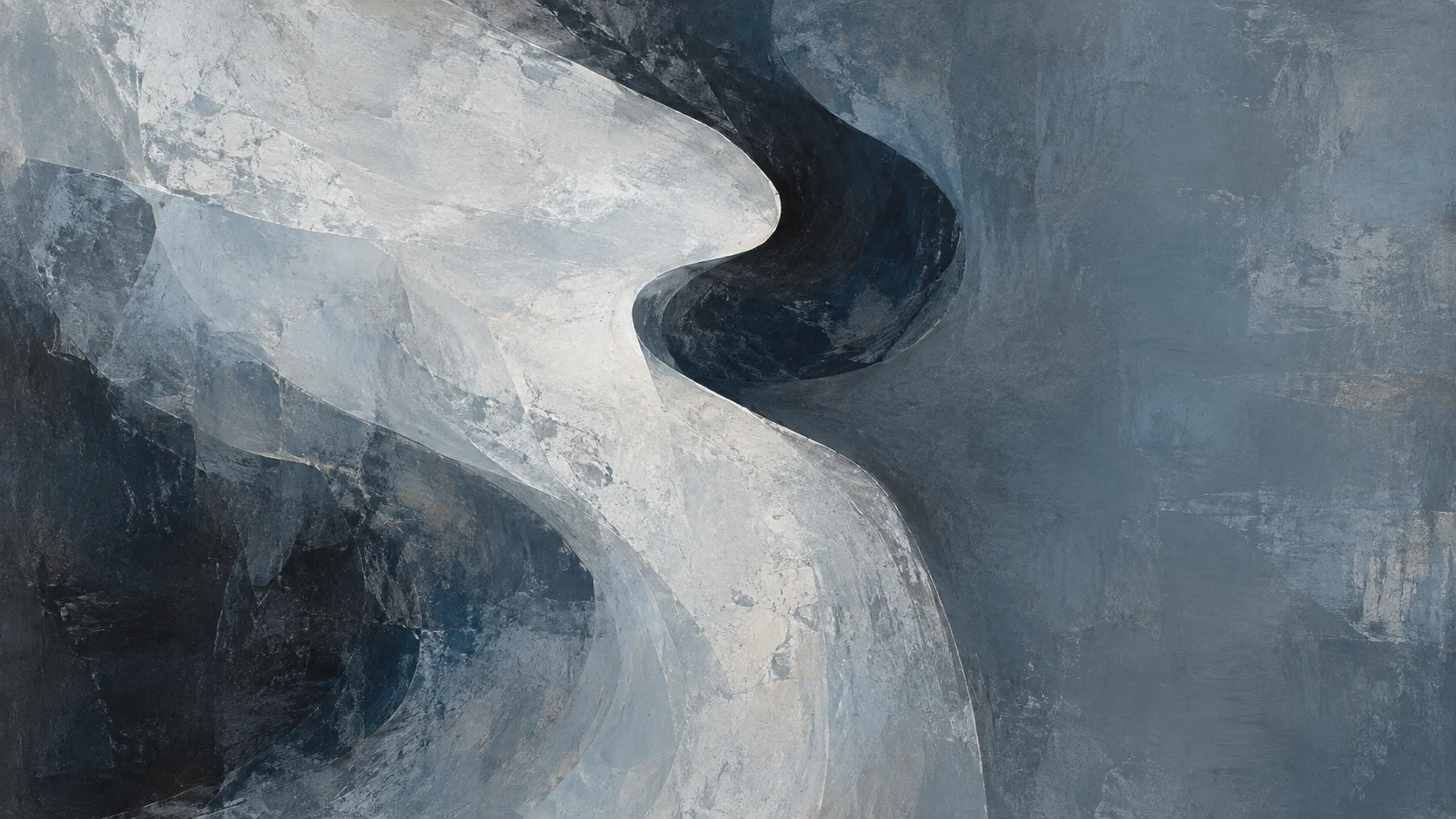
In the final review, the test sheets sat beside the paintings. They showed that progress had often involved a change in order rather than a more complicated technique: waiting before crossing an edge, restoring a light interval or reducing the number of equally emphatic marks. Participants chose one comparison to take into another session and labelled the mixtures they wanted to revisit. The workshop’s outcome was a more specific understanding of what a second layer can do. It might cover, sharpen, interrupt or allow the first to remain active. Knowing which of those actions is needed gives a painter a firmer next step than simply adding more until the surface feels finished.