Elin Rook Finds a Portrait’s Starting Point Beside the Face
An original fictional conversation
A patch of colour reflected from an ordinary surface can change the way a face is read. Elin Rook begins there when developing the staged portraits for Face as Weather, scheduled for 23 January to 14 March 2027. We discuss how an incidental observation becomes a deliberate arrangement, what happens when the lighting grows too emphatic and why the person in the frame must remain a collaborator.
Bea Harker asks: What kind of observation starts an image for you? Elin Rook replies: Often it is beside the subject I think I am looking at. I notice a coloured wall reflected in a window, or a face receiving a little brightness from a surface below it. The reflected colour is incomplete. It catches one plane and misses another, so the surrounding space becomes visible through its effect. I make a written note about the relation rather than trying to preserve the whole scene. For this project, the useful note was about a cool edge beside a warm field. That could be tested without borrowing the identity or circumstances of someone I happened to see.
The surrounding colour can enter a portrait before we notice that we have used it to read the face.
Elin Rook
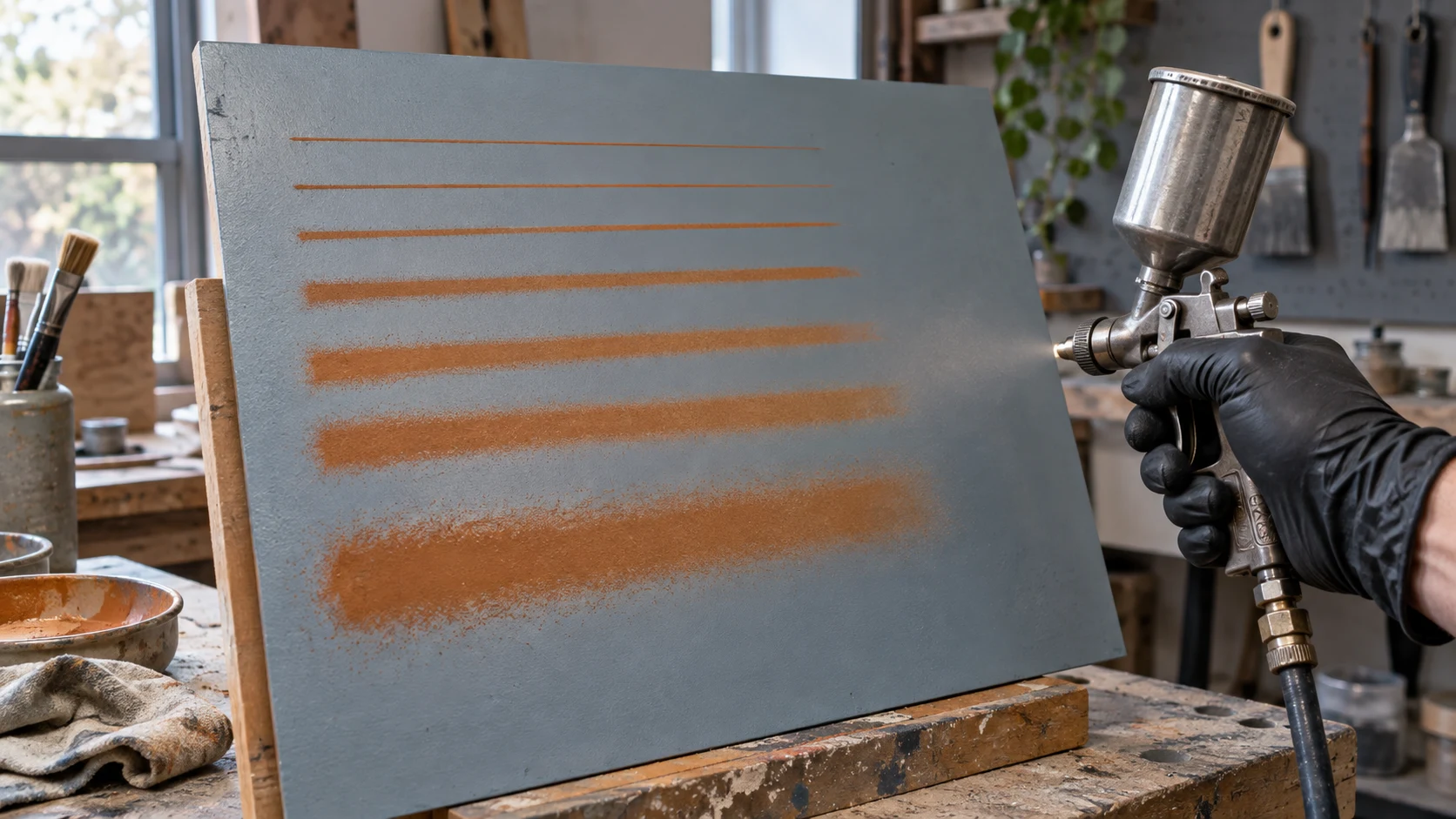
Bea asks: How do you move from that note to a portrait session? Elin replies: I start with small colour tests and an uncomplicated form. They show whether a background, a reflector and the main light are doing different jobs or competing for the same place. I record the arrangement because a pleasing accident is difficult to discuss if nobody knows what changed. When a person joins the process, we talk through the intended image and its use before arranging anything around them. They need to be able to question a pose, request a pause and reject a direction. The staging should make the construction visible; it should not turn the sitter into a convenient surface that has no say in it.
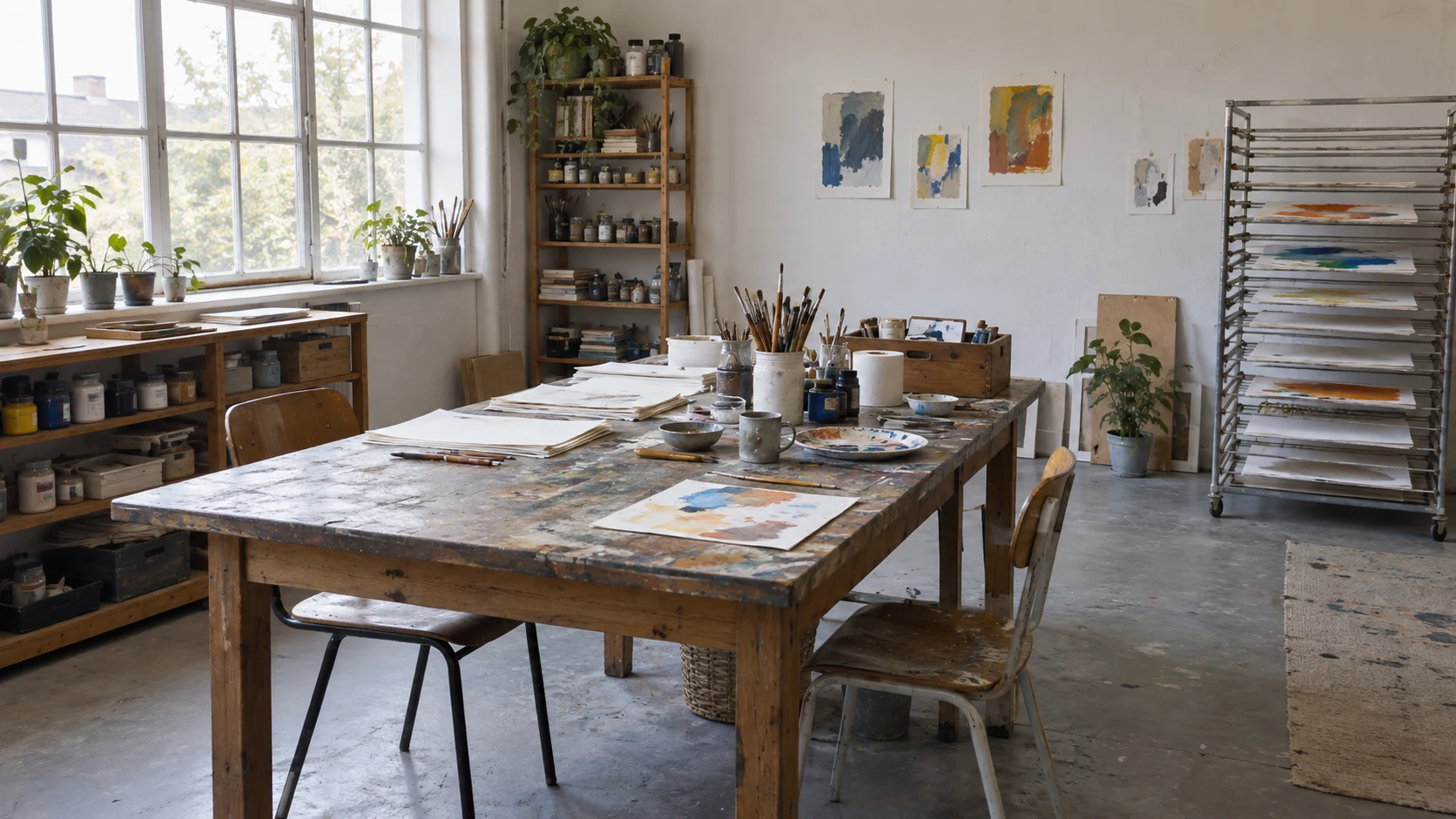
Bea asks: What has failed during preparation? Elin replies: I made one lighting trial much too symmetrical. The colours balanced neatly, and the result looked resolved almost immediately. But it flattened the relation I was interested in. Every part of the face seemed to receive an assigned effect, leaving no area where the ordinary structure of the light could reappear. We removed one reflector and let a quieter passage remain. That made the image less decorative and more particular. I also reduced the pigment in a later test. Strong colour on the skin and strong coloured light can cancel each other’s complexity if both insist on explaining every visible edge.
Bea asks: What does weather mean in the exhibition title? Elin replies: It describes the conditions around an encounter, not the sitter’s temperament. A background, a shift of light and the edge of a frame can change quickly, while the person is neither summarised nor explained by those changes. I want the viewer to notice how much of an apparent expression is being supplied by the image’s arrangement. That does not make expression unreal. It makes the reading less automatic. A portrait can be intimate without pretending to offer unrestricted access to someone’s inner life. The title is useful if it keeps that distinction active, and unhelpful if it encourages viewers to assign a mood from a colour alone.
Bea asks: What remains to be decided before the exhibition? Elin replies: The sequence. A single image allows a strong first impression; a group can show how constructed that impression was. I am comparing pairs in which a surrounding colour changes while a pose remains relatively steady, and others where the person’s movement alters the whole balance. I do not want the display to become a demonstration chart with one correct conclusion. There should be room for a portrait to hold attention on its own. The sequence needs enough difference to make comparison worthwhile and enough space for the sitter to remain more than an example in my argument about light.
Written by
Bea Harker
Writing, interpretation and programme editing.
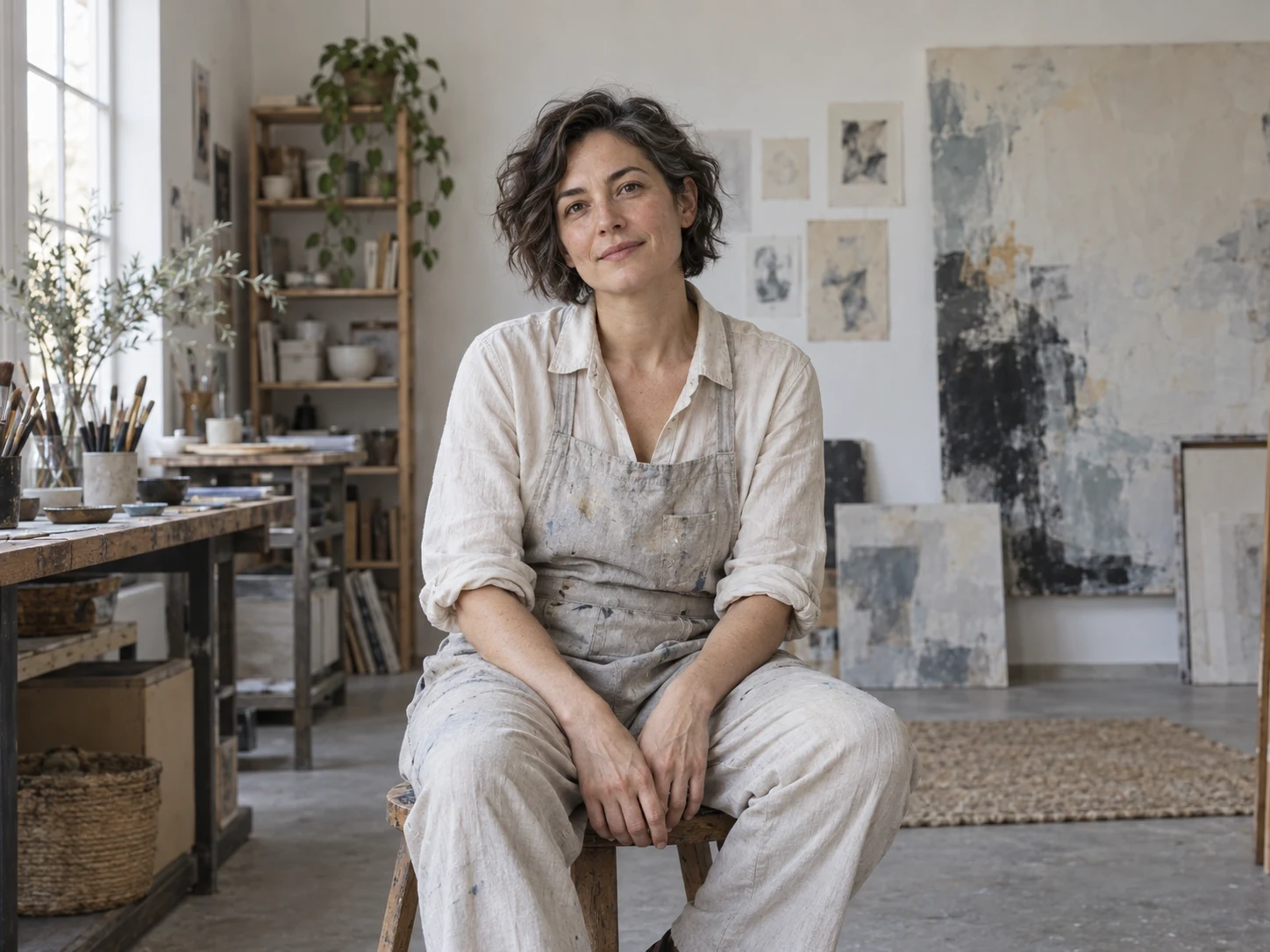
Original generated portrait of the fictional artist Elin Rook.
Published
Category
Interviews