Looking Ahead to 2027: Elin Rook’s Face as Weather
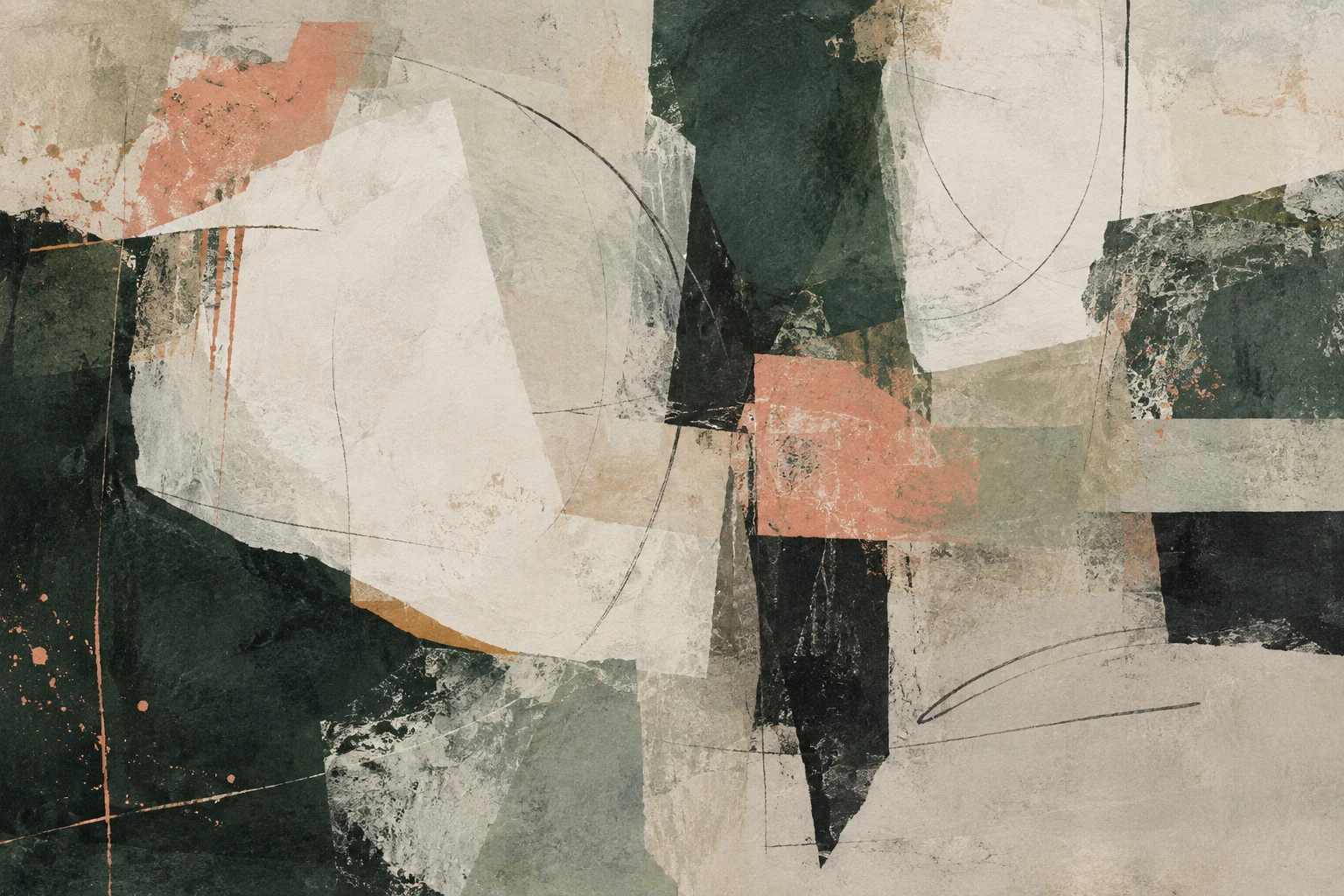
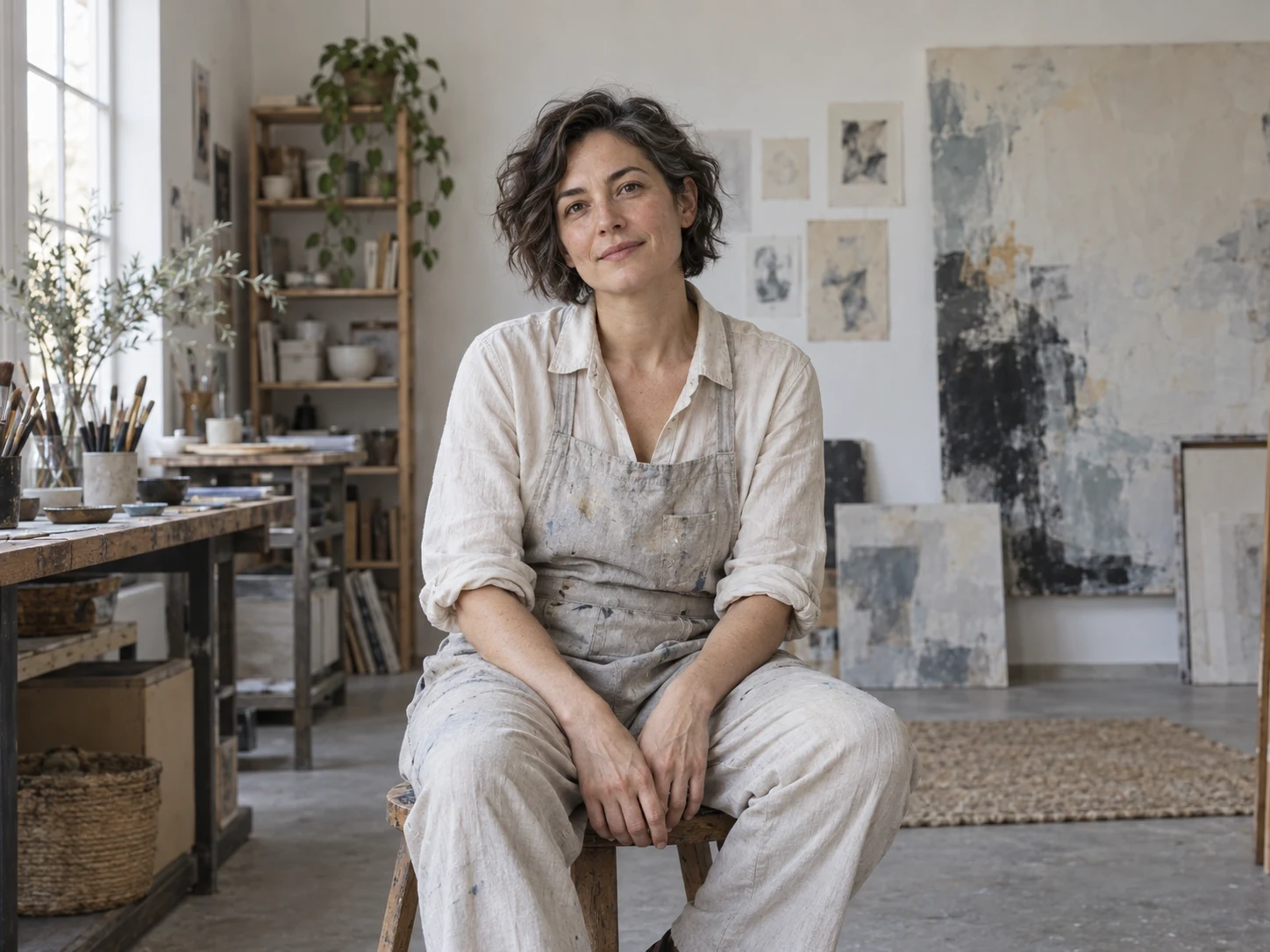
Face as Weather will bring Elin Rook’s staged portrait practice into Ternform’s 2027 programme from 23 January to 14 March. The exhibition begins with a familiar experience: a face seems to change when the light around it changes. Its questions concern how that impression is constructed, what a surrounding colour contributes and where careful looking must stop short of claiming to know the person pictured.
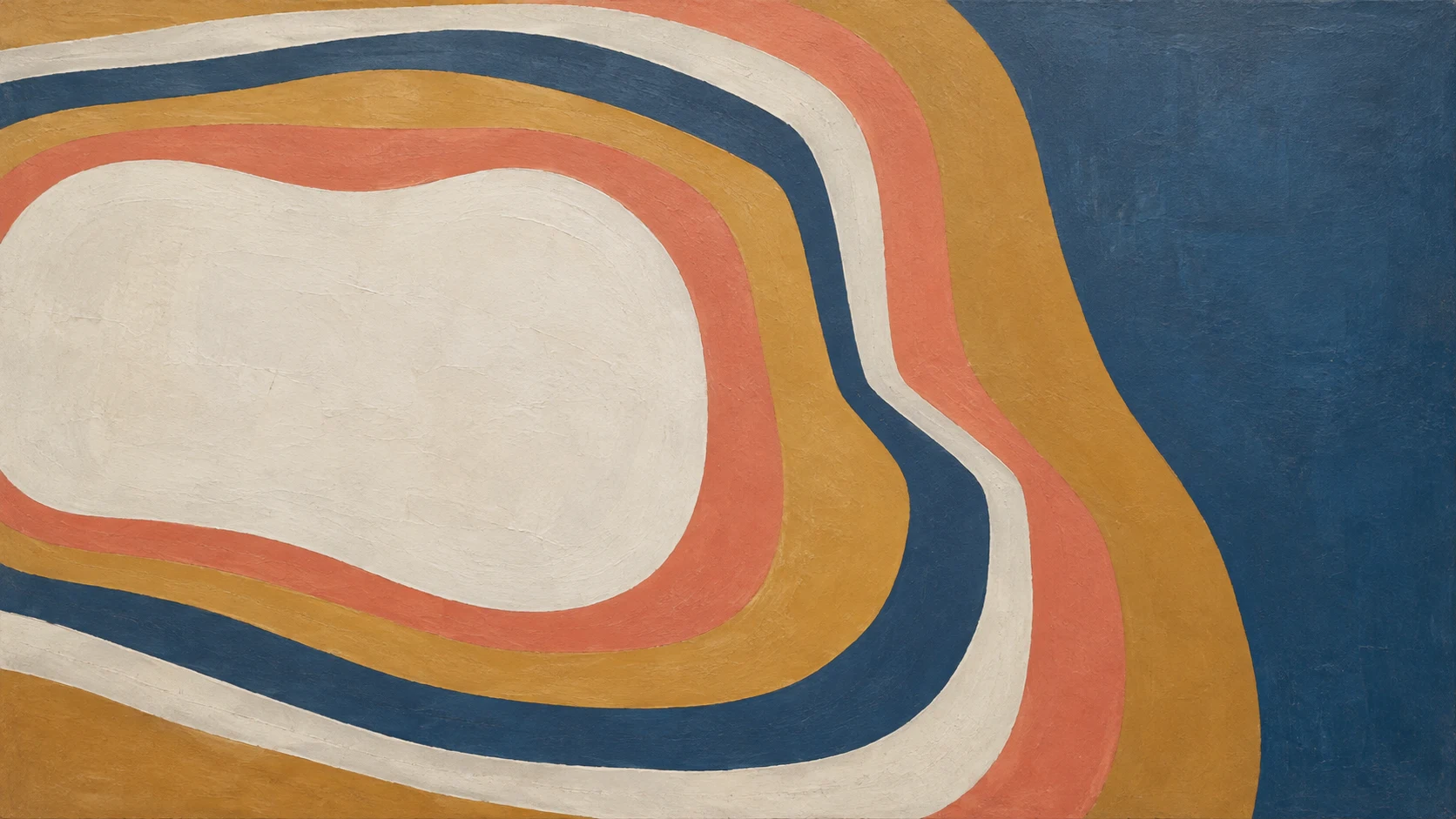
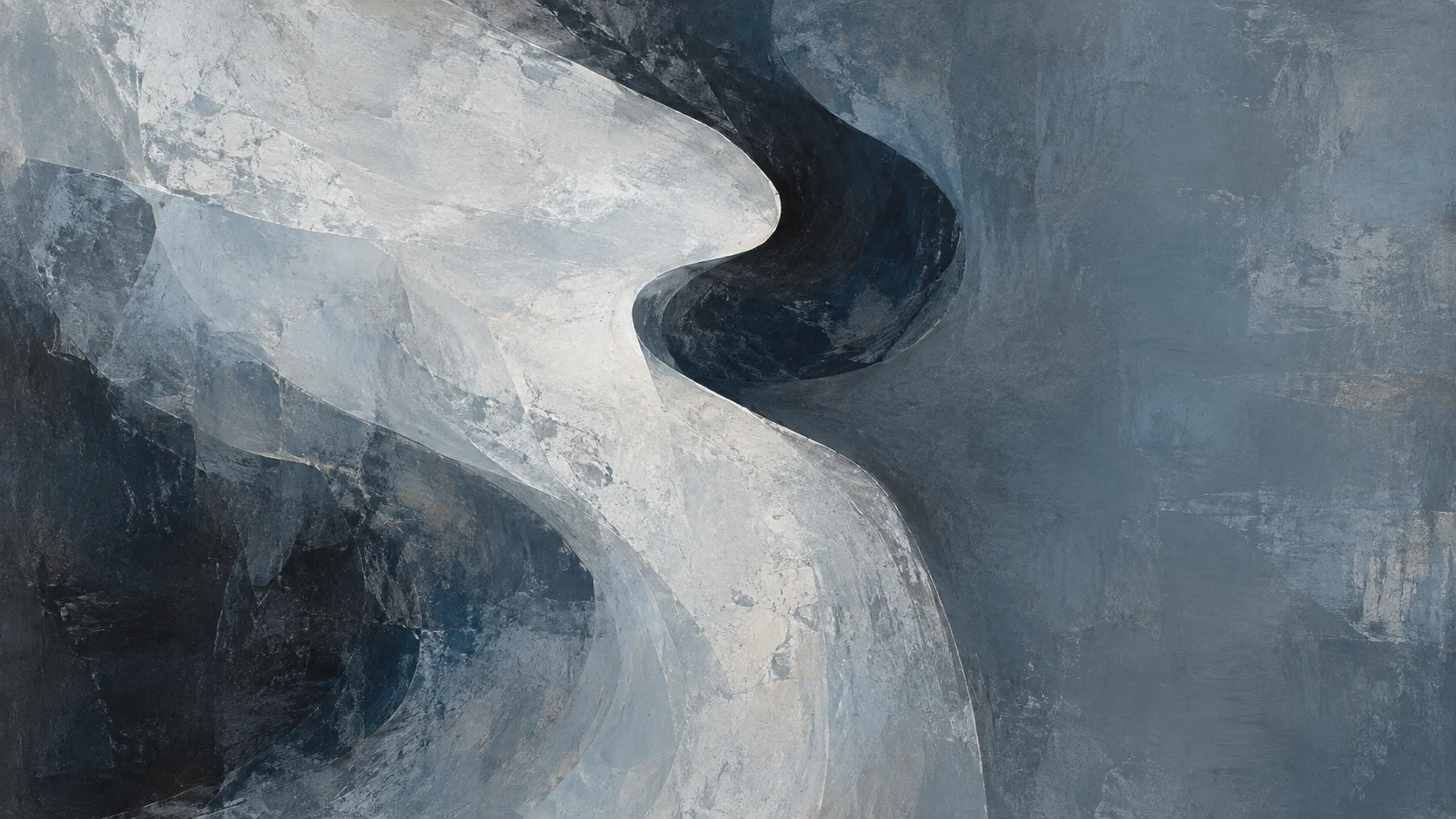
Rook’s preparation moves between small colour tests, written lighting plans and arrangements developed with the people in front of the camera. The exhibition will consider those choices through relationships that a viewer can describe directly. A cool edge beside a warm field may draw attention away from the mouth; a reflected patch may make the background appear to enter the face. Weather provides a comparison for these surrounding conditions. It is not a system for assigning temperament to a sitter. The most rewarding approach may be to describe the light and framing first, then return to an initial reading of the expression and notice what has changed.
Before deciding what a portrait expresses, notice the surrounding conditions that have helped it speak.
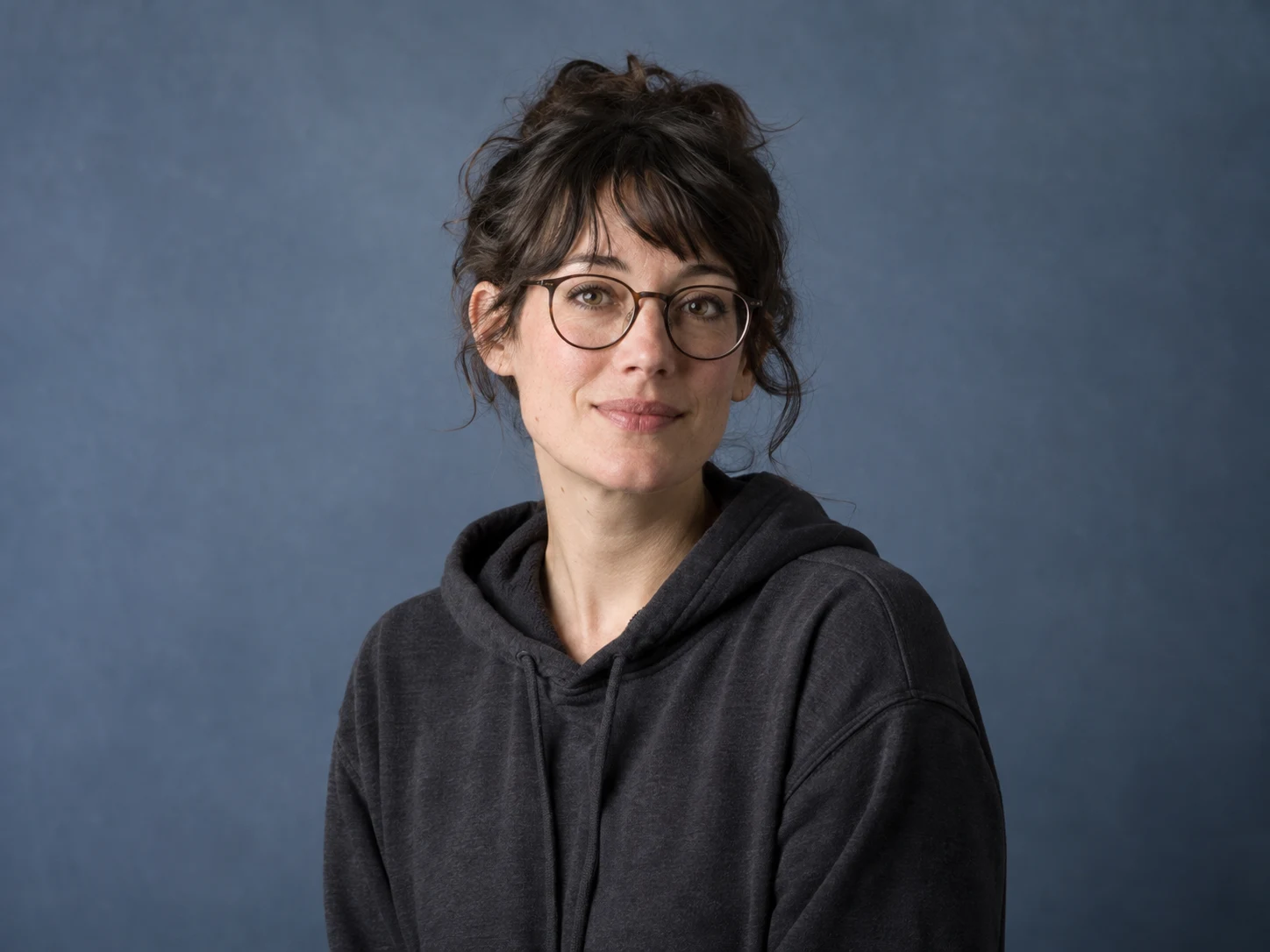
Bea Harker
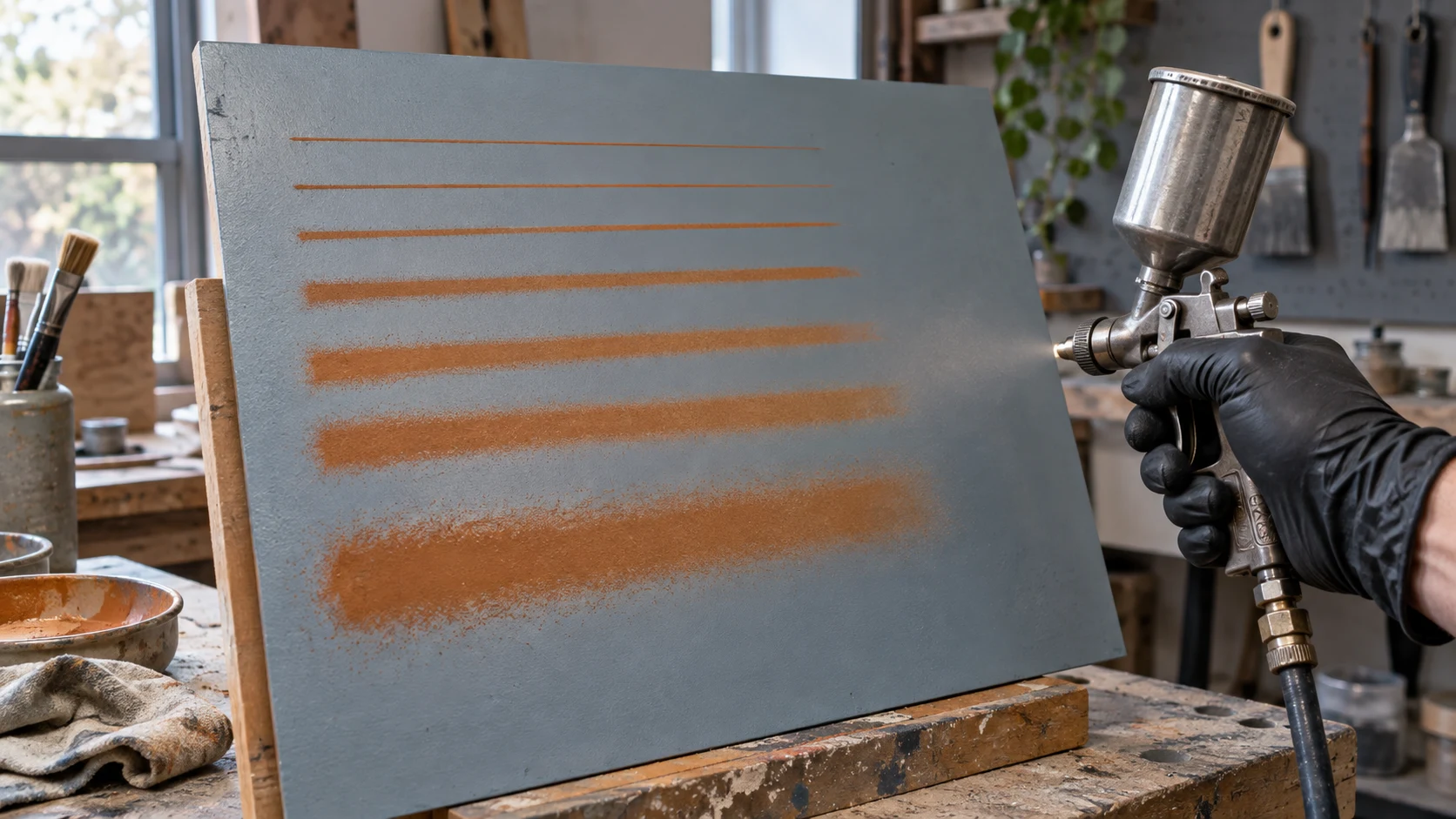
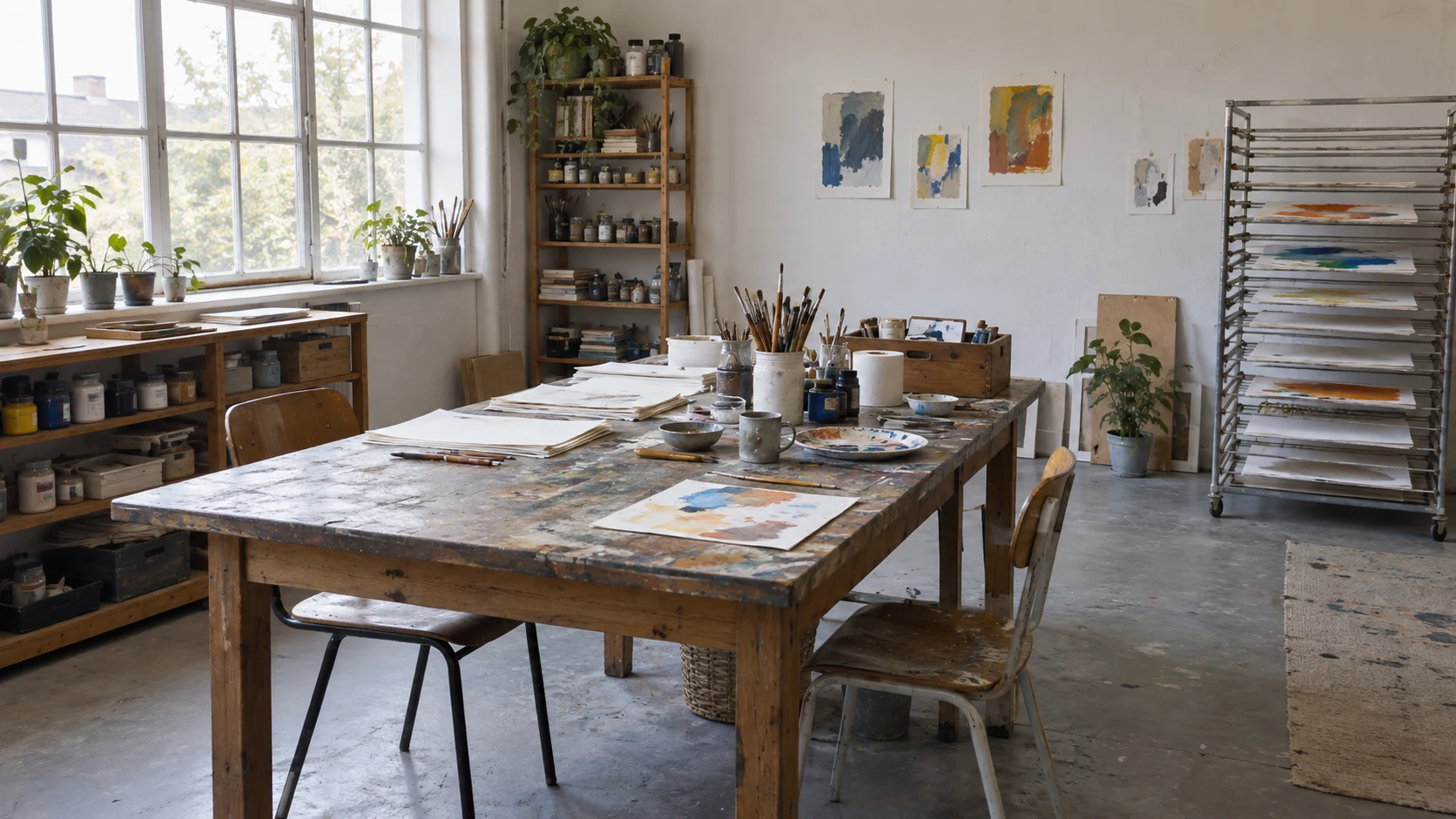
The programme’s workshop strand offers another route into deliberate mark-making. First Marks, Open Walls begins with accessible trials before developing a small composition, so its emphasis on edges and intervals can sit usefully beside the portrait questions. It is a beginner street-art format, rather than a portrait-photography class. In this edition, the illustrative weekly offer is Sunday from 17:00 to 20:00, for adults, at EUR 199 with equipment included. Those details describe the format, not a confirmed calendar of 2027 sessions. Readers interested in joining can review the workshop information and consider whether learning through tools, surface and shared practice suits the kind of looking they want to develop.
For an exhibition visit, a short route can be enough. Begin with one portrait, name the surrounding colours, then move to another image before returning to the first. A group might compare the features that attracted attention without trying to agree on the sitter’s mood. Someone arriving alone could keep a brief written description and test it again later. The exhibition page carries the fixed programme dates and the venue’s visit information, allowing the practical plan and the looking plan to sit together. The imagined Example Wharf rooms have different opening-hour groups across the week, so choosing a date should include checking the corresponding hours rather than assuming that every day follows the same schedule.
This preview introduces the following year’s programme from an August 2026 perspective. It does not announce a completed exhibition or promise live ticket availability; the edition’s request tools produce local previews without making reservations. What can already be explored is the exhibition’s premise and Rook’s account of the decisions behind it. Her journal conversation gives the incidental observation a central role: a reflection noticed beside a face can become a rigorous question about an entire image. Face as Weather will develop that question at exhibition scale, inviting viewers to consider the conditions of a portrait as carefully as the expression that first seems to tell its story.