
 View study ↗
Still-image study
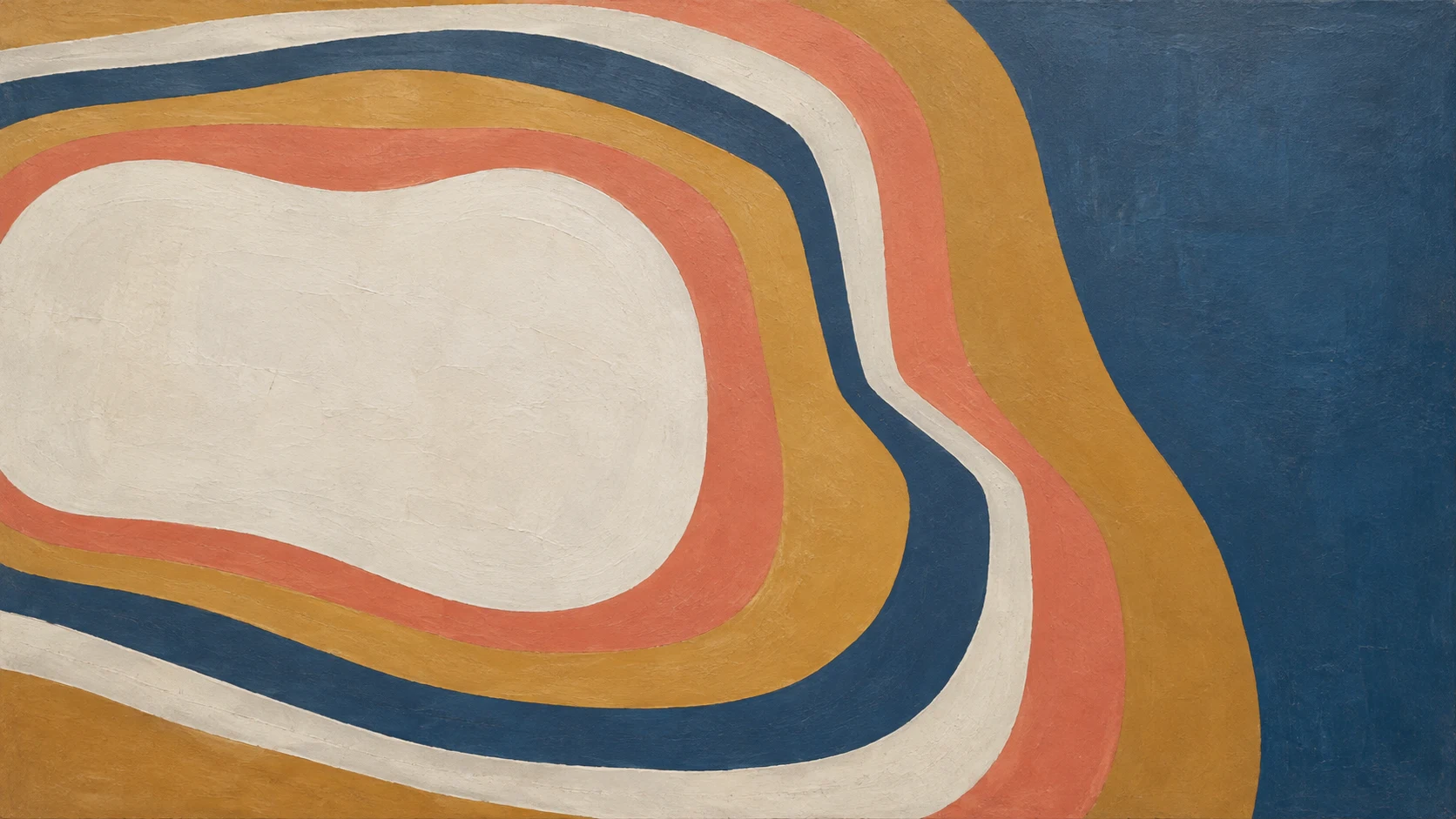
One ridge crossing another
Blue and violet ridges carry several competing directions. Find a smaller mark crossing a longer one and distinguish a suggested sequence from an established history of making.
Artist · Ternform Gallery
Featured exhibition
—
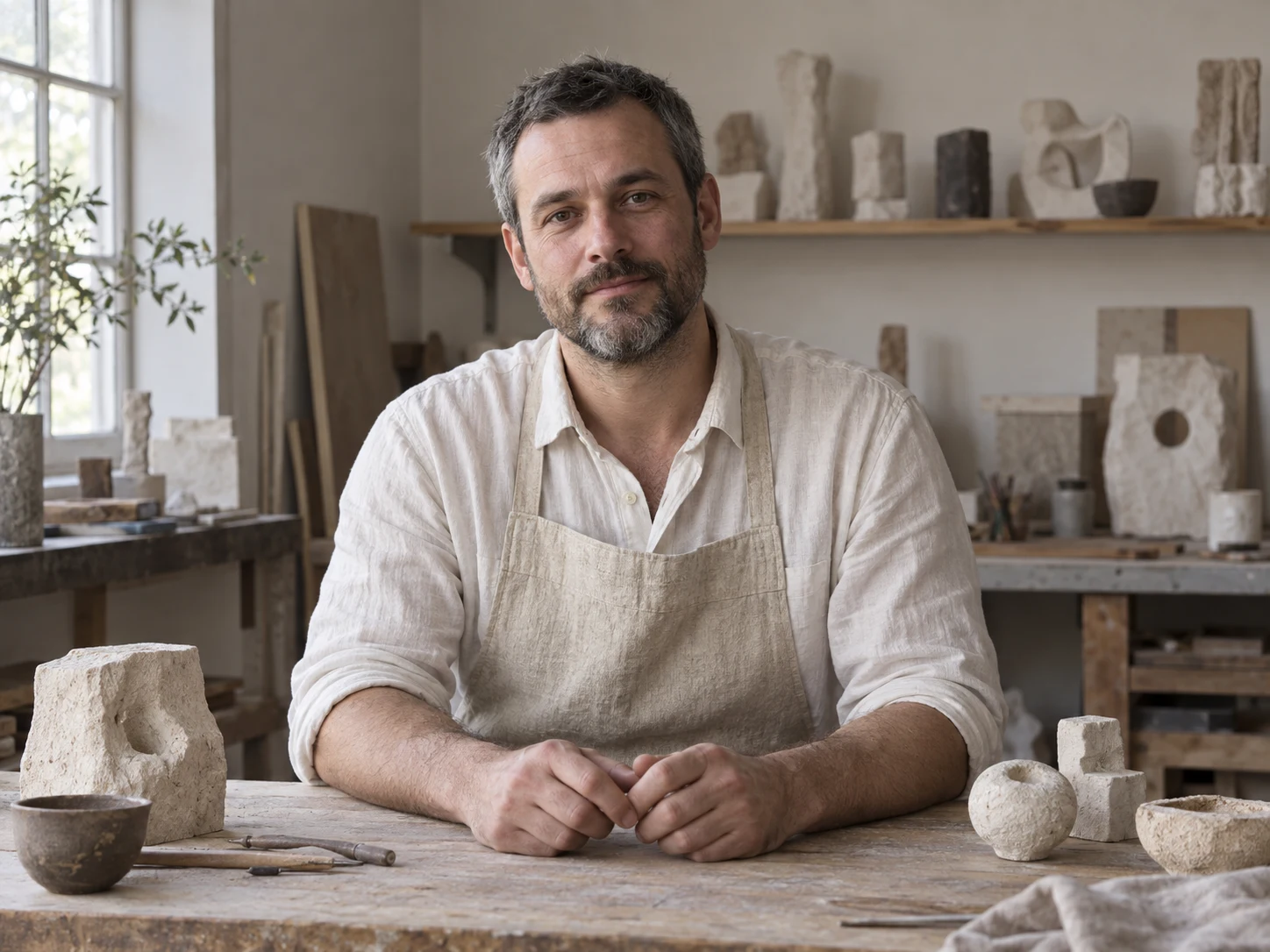
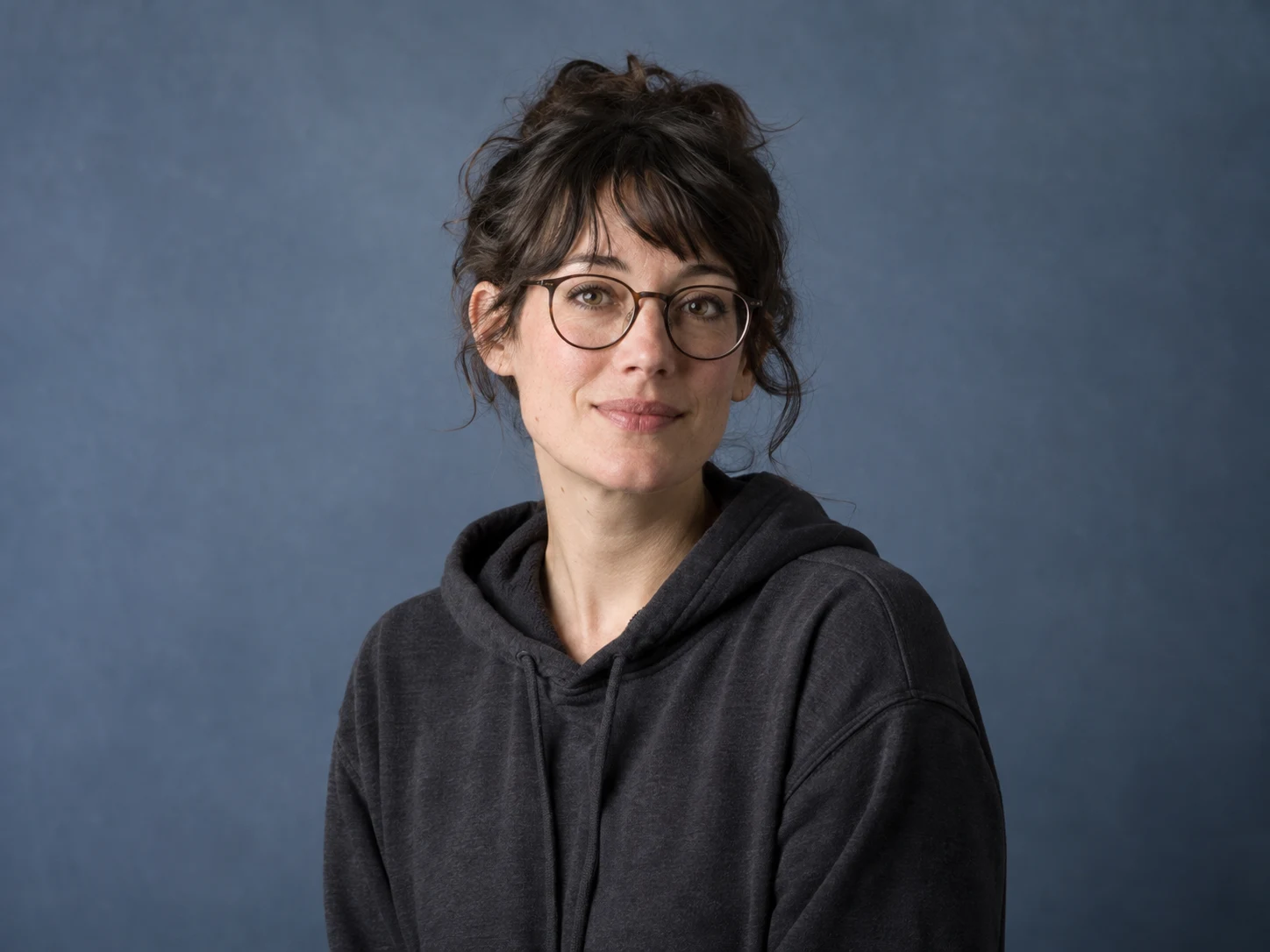
Ada Lorne examines the record left by layered paint: ridges, exposed grounds and bright marks crossing a stronger direction. A programme of close looking at what a surface reveals, and what it keeps uncertain.
Explore the exhibitionAda Lorne makes paintings that retain the pressure and sequence of their making. Dense blue passages, thin interruptions and bright vertical marks are treated as events on a surface, not signs of a landscape that must be identified. Her work asks how a viewer can sense an earlier layer through a later one. A small scratch may expose more of that history than a large, apparently expressive brushstroke at the centre of a composition.
Lorne prepares several small grounds together and works across them at different stages of drying. This lets her compare a dragged mark with one laid over a firmer layer. She records these differences in ordinary terms: the brush caught, the colour skipped, an edge remained open. The notes do not turn the paintings into technical demonstrations. They protect useful observations from being replaced by a general memory of how a session felt. When a study develops into a larger work, she preserves the sequence of decisions only where it continues to produce an interesting surface.
Ground Register gathers this attention to pressure, interruption and accumulated colour. The sequence moves from broad blue fields to smaller passages where another hue cuts across the dominant direction. Its title suggests a record without promising that a viewer can reconstruct every action. Some marks remain ambiguous. Lorne values the difference between sensing that a surface has a history and pretending to know that history in full.
Her practice includes making simple diagrams after a painting is complete. These diagrams trace directions and pauses rather than attempting to reproduce the image. Comparing them with the finished surface sometimes reveals an area that has carried more weight than she intended. Such discoveries become starting points for another study. Visitors to Ternform can use the same method without drawing anything: follow the strongest direction in a painting, then find the first mark that resists it. The relationship between the two may explain more than a broad description of the work as energetic, quiet or atmospheric.
Short exercises for a slower look. Open a study to read the full note; its original accompanying illustration is forthcoming.
View study ↗Still-image study
Blue and violet ridges carry several competing directions. Find a smaller mark crossing a longer one and distinguish a suggested sequence from an established history of making.
 View study ↗
Still-image study
A narrow scratch interrupts a broad pink and purple field. Look at the small amount of an earlier-looking layer it exposes and the change that exposure creates.
View study ↗Still-image study
Orange and red marks attract attention against a dense blue ground. Examine the immediately neighbouring surface to see what makes each bright interruption feel placed.
View study ↗Still-image study
Thick blue lines cross a photographed back and head. Compare a line inside the figure with the same line crossing its outline, where its compositional role changes.
Three editorial recommendations with related questions. Artist subjects are identified in each story; a recommendation does not imply the artist appears in it.
A limited palette, patient drying intervals and specific peer observations helped a painting session move beyond the search for a single perfect colour.
Read the story· News
A practical August studio note on remote collaboration: name the version, show the scale and distinguish a request for feedback from a request to approve.
Read the storyA beginner session moved from tool trials to a small shared wall exercise, using repeated marks to make decisions visible and discussion practical.
Read the storyDates and status use the edition date, 8 September 2026.
—
Ada Lorne examines the record left by layered paint: ridges, exposed grounds and bright marks crossing a stronger direction. A programme of close looking at what a surface reveals, and what it keeps uncertain.