



01 / 04
Read the wall before the mark
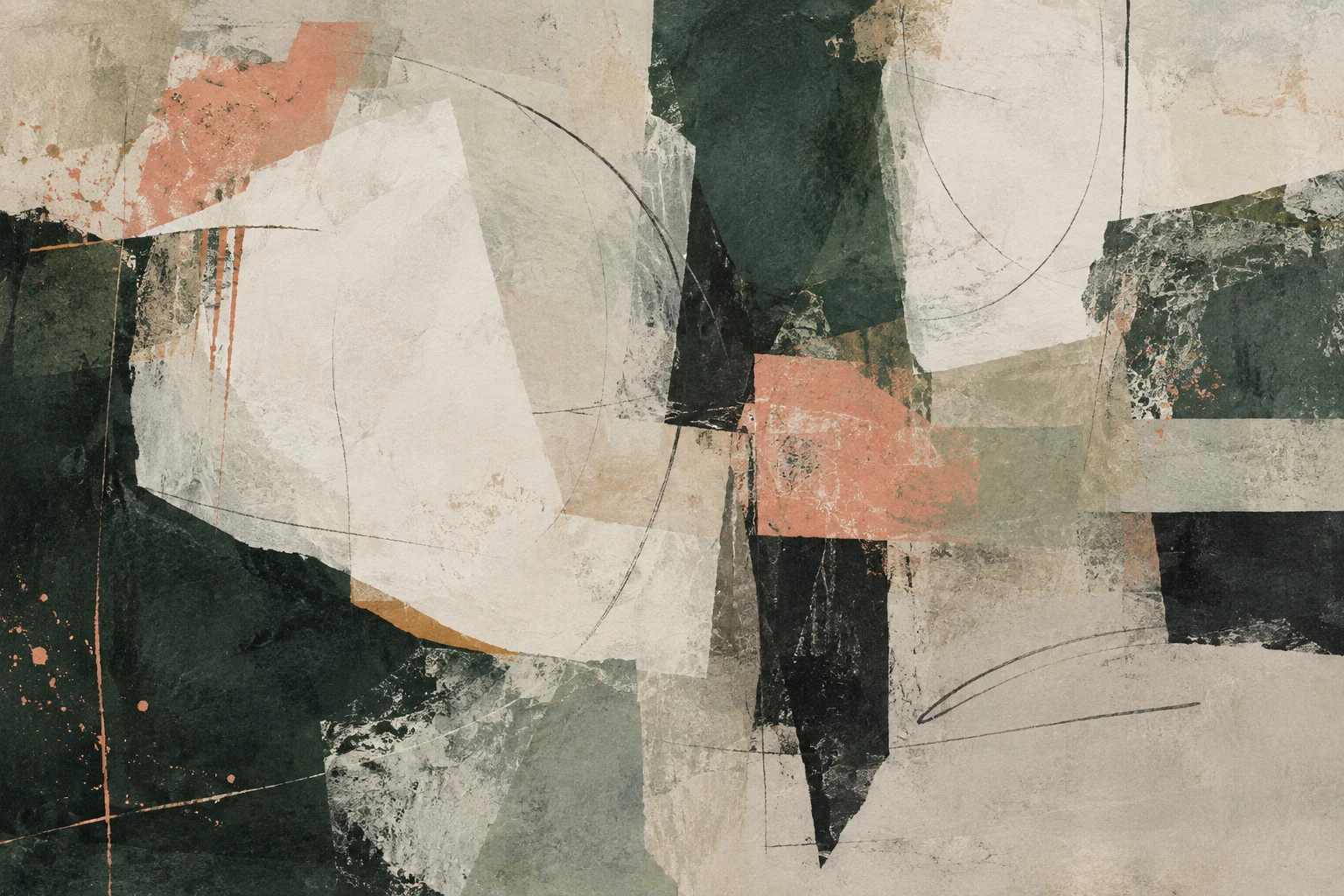
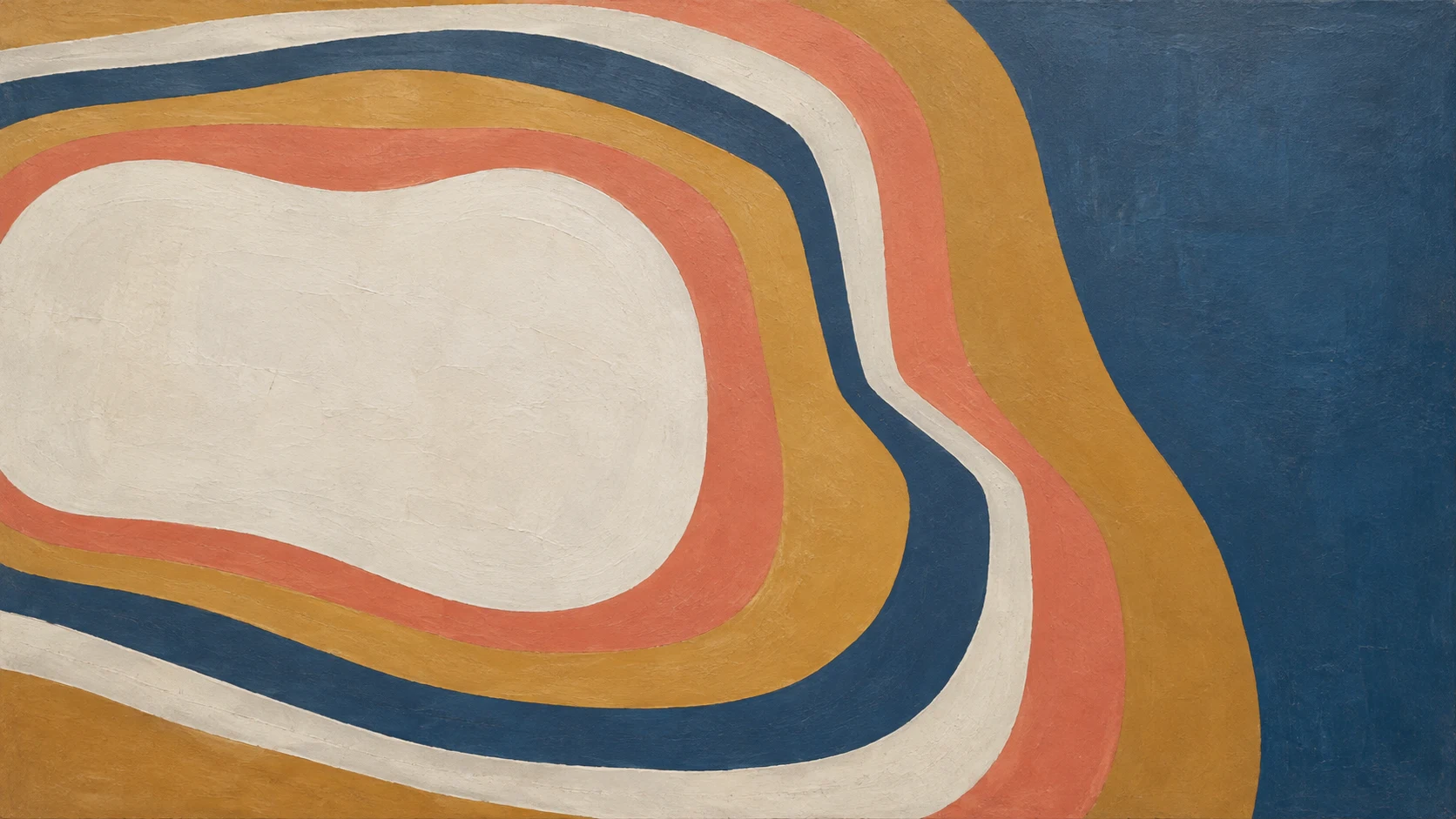
We begin by comparing public images and the surfaces that carry them. Lettering, figurative murals and repeated colour structures make different demands on a viewer passing at street pace. Anya asks what can be seen immediately and what becomes available only when someone stops. The discussion distinguishes a useful visual observation from an assumption about an artist's intention, a neighbourhood or the people who encounter an image.
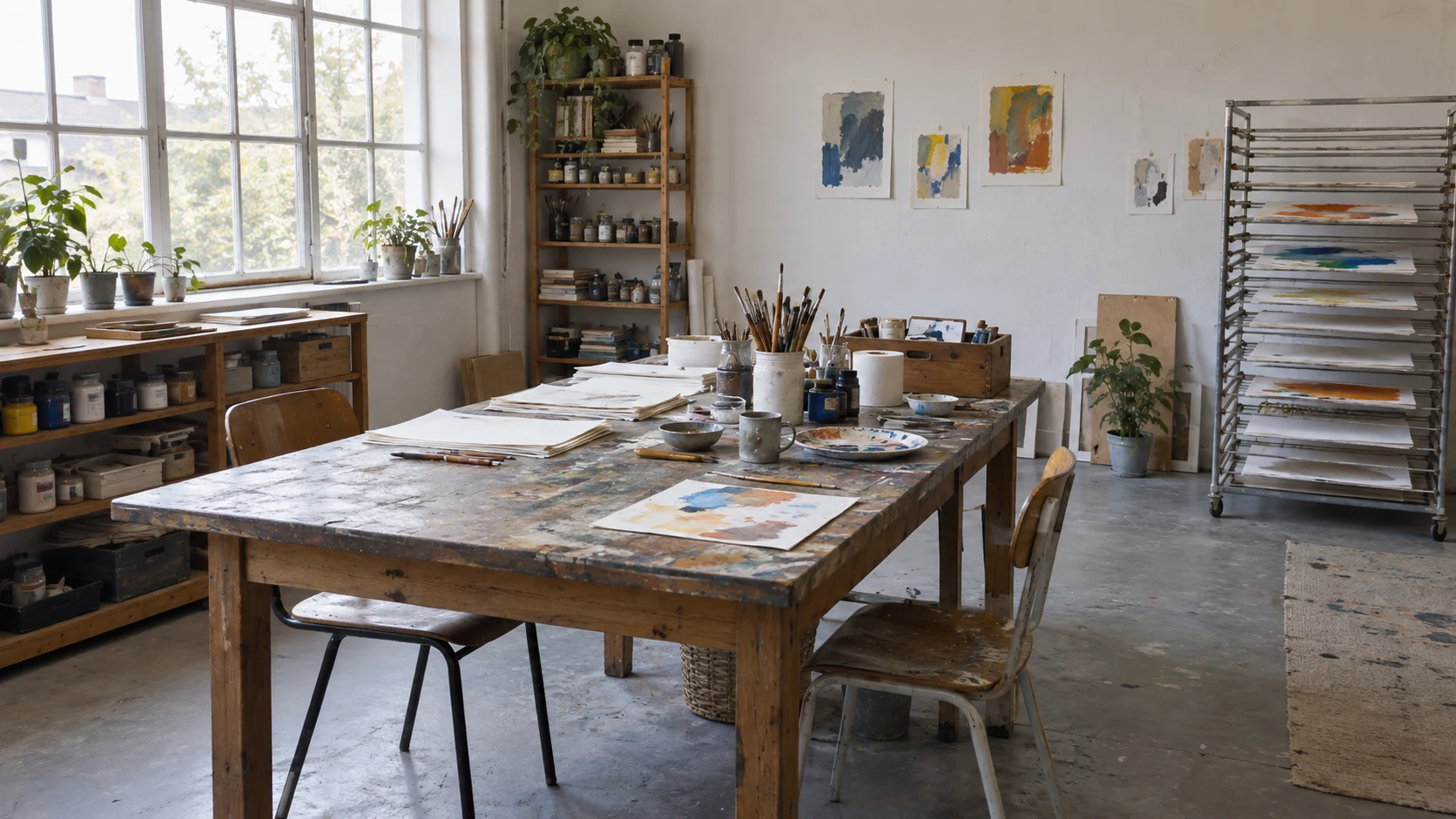
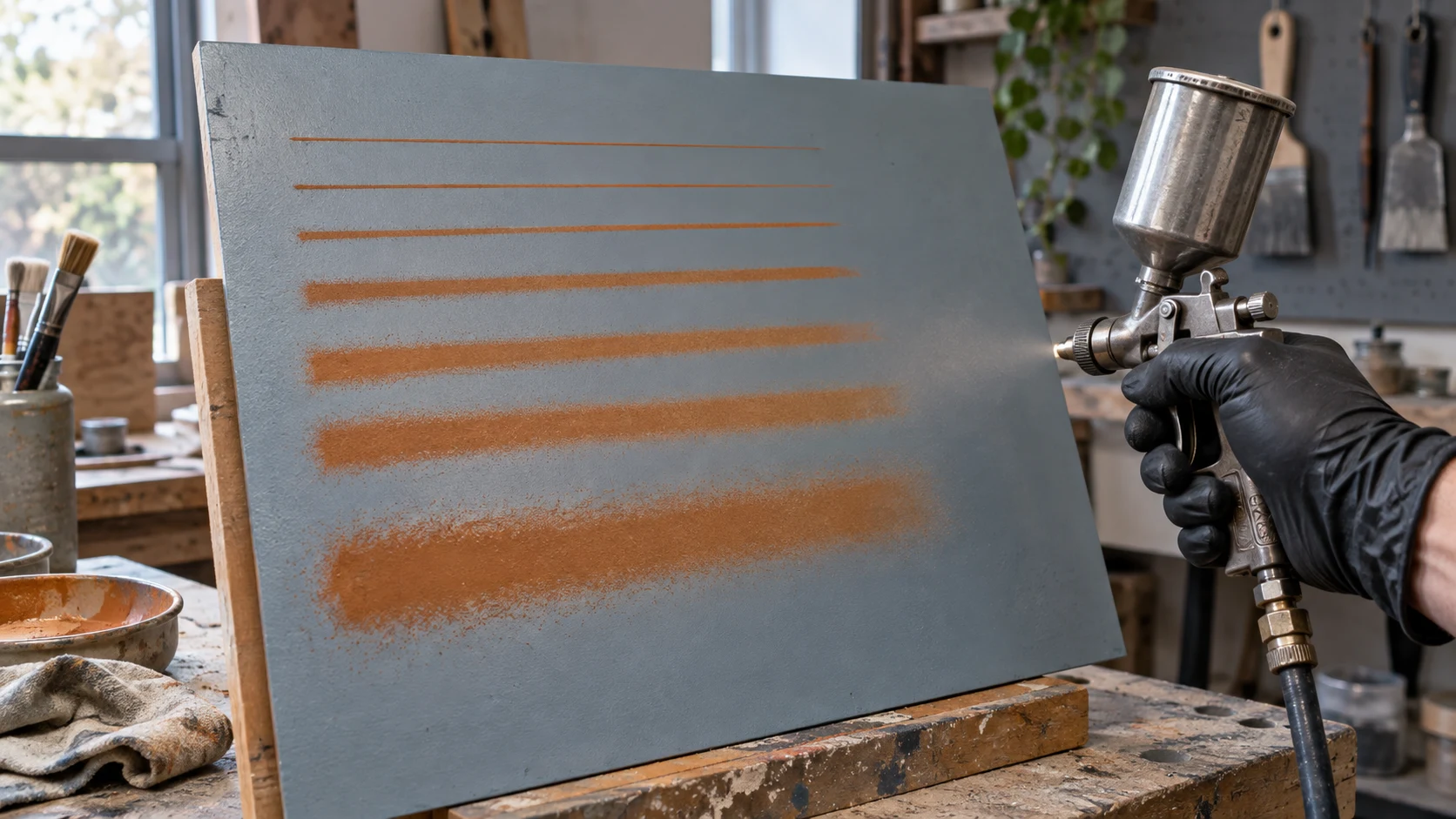
The imagined class works on approved practice panels. Permission is part of the brief, not something supplied by the fact that a wall is visible. Before any making begins, the group discusses the work area, protection of nearby surfaces, clear movement routes and the product-specific instructions that a real supervised session would need to follow. Nobody is asked to paint a public or private surface without the responsible owner's agreement.