 View study ↗
Still-image study
Light beside an expression
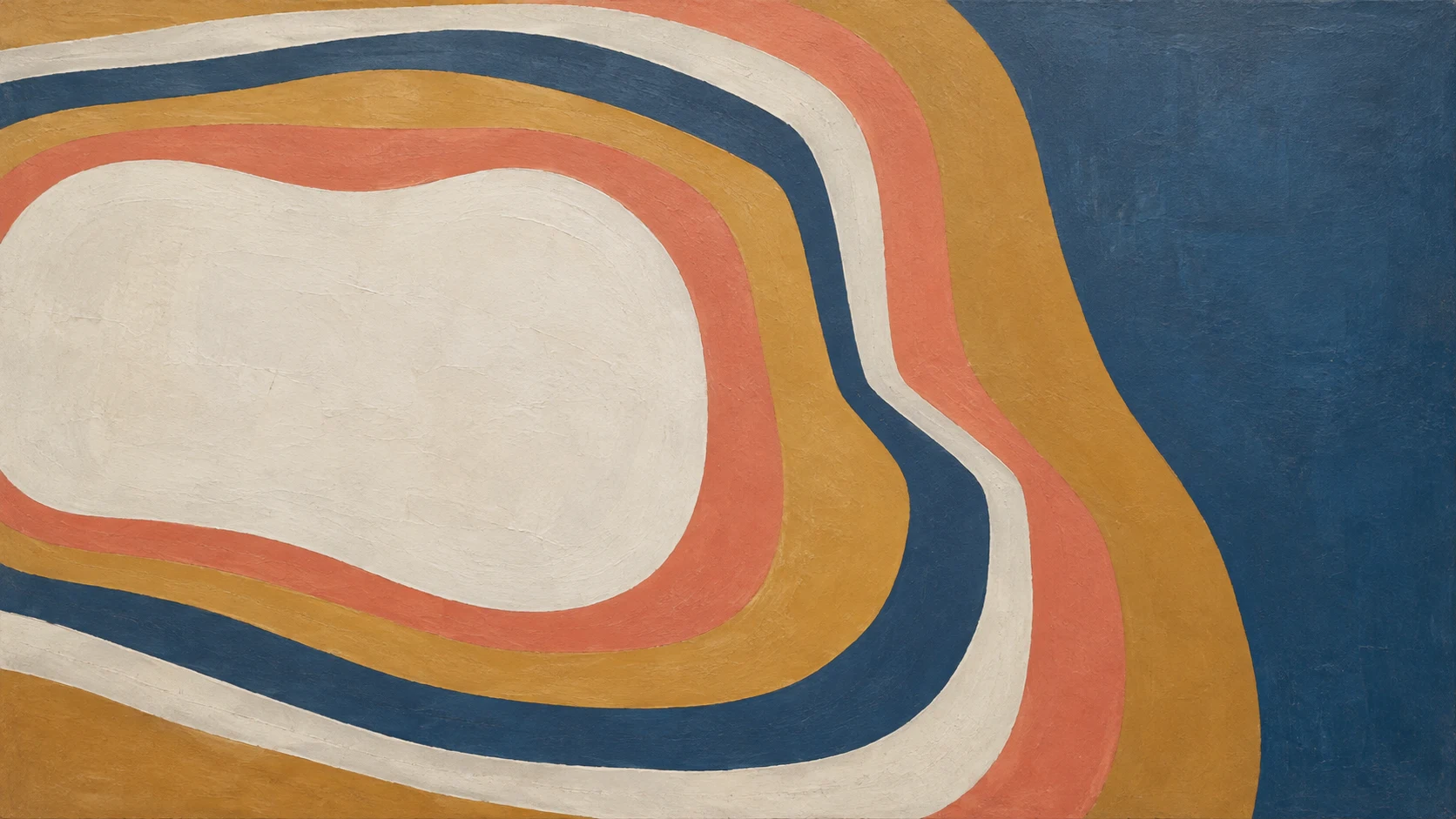
Coloured light and projected-looking shapes cross a close portrait. Describe those surrounding conditions before making a claim about the expression or the person in the frame.
Artist · Ternform Gallery
Featured exhibition
—
Elin Rook considers a staged face through the light, pigment and surrounding colour that shape its reading. A forthcoming exhibition about the conditions of a portrait and the limits of what a vivid image can tell us.
Explore the exhibitionElin Rook approaches a photographed face as a meeting of surfaces rather than a transparent account of a person. Light, pigment, fabric and the edge of the frame can all change how an expression is read. Her staged colour studies make those conditions visible. They ask viewers to notice the work performed by a background or a reflected tone before turning a look into a story about the sitter's character or emotional life.
Rook develops an image through written lighting diagrams and small colour tests. A test records where a bright area begins, how a darker field enters the frame and which details should remain readable. She avoids assuming that a strong colour must carry the same feeling for every viewer. Instead, she compares what changes when two neighbouring tones trade places. The method depends on the agency of the person in front of the camera: discussion, a clear stop signal and time to review an image are part of the imagined working process, not obstacles to obtaining a striking result.
The forthcoming Face as Weather extends this practice into a sequence of changing visual conditions. Its title treats weather as a useful comparison for light and surface, not a diagnosis of the person pictured. The sequence moves between close colour fields, gestures and public faces. It invites a viewer to separate what can be described in the frame from the much larger life that a photograph cannot disclose.
Rook's notebook mixes fragments of lighting plans with short descriptions of ordinary reflections. She is interested in how a window can add a second colour to a cheek, or how a neutral wall can appear warm beside a cool garment. The resulting images are carefully constructed, but she leaves some small irregularities visible so the arrangement does not become a frictionless symbol. At Ternform, her work offers a practical starting question: which part of your reading comes from the face, and which part has been supplied by everything surrounding it? An answer may change without the image changing at all.
Short exercises for a slower look. Open a study to read the full note; its original accompanying illustration is forthcoming.
View study ↗Still-image study
Coloured light and projected-looking shapes cross a close portrait. Describe those surrounding conditions before making a claim about the expression or the person in the frame.
View study ↗Still-image study
Two pale hands create a small interval against pink. Treat the space between the fingers as a shape and notice how it organises the gesture around it.
Three editorial recommendations with related questions. Artist subjects are identified in each story; a recommendation does not imply the artist appears in it.
Before Face as Weather, Elin Rook discusses reflected colour, a failed lighting trial and the conversation that makes a staged portrait a shared construction.
Read the story· News
The next programme year opens a conversation about staged portraits, changing colour and the limits of a first impression. A guide to the exhibition and ways into its questions.
Read the storyField drawing becomes a conversation between what is in front of the artist and what remains after leaving. Leyla Mott explains the gaps she keeps.
Read the storyDates and status use the edition date, 8 September 2026.
—
Elin Rook considers a staged face through the light, pigment and surrounding colour that shape its reading. A forthcoming exhibition about the conditions of a portrait and the limits of what a vivid image can tell us.