Anya Quill’s Workshop Begins with a Line Worth Repeating
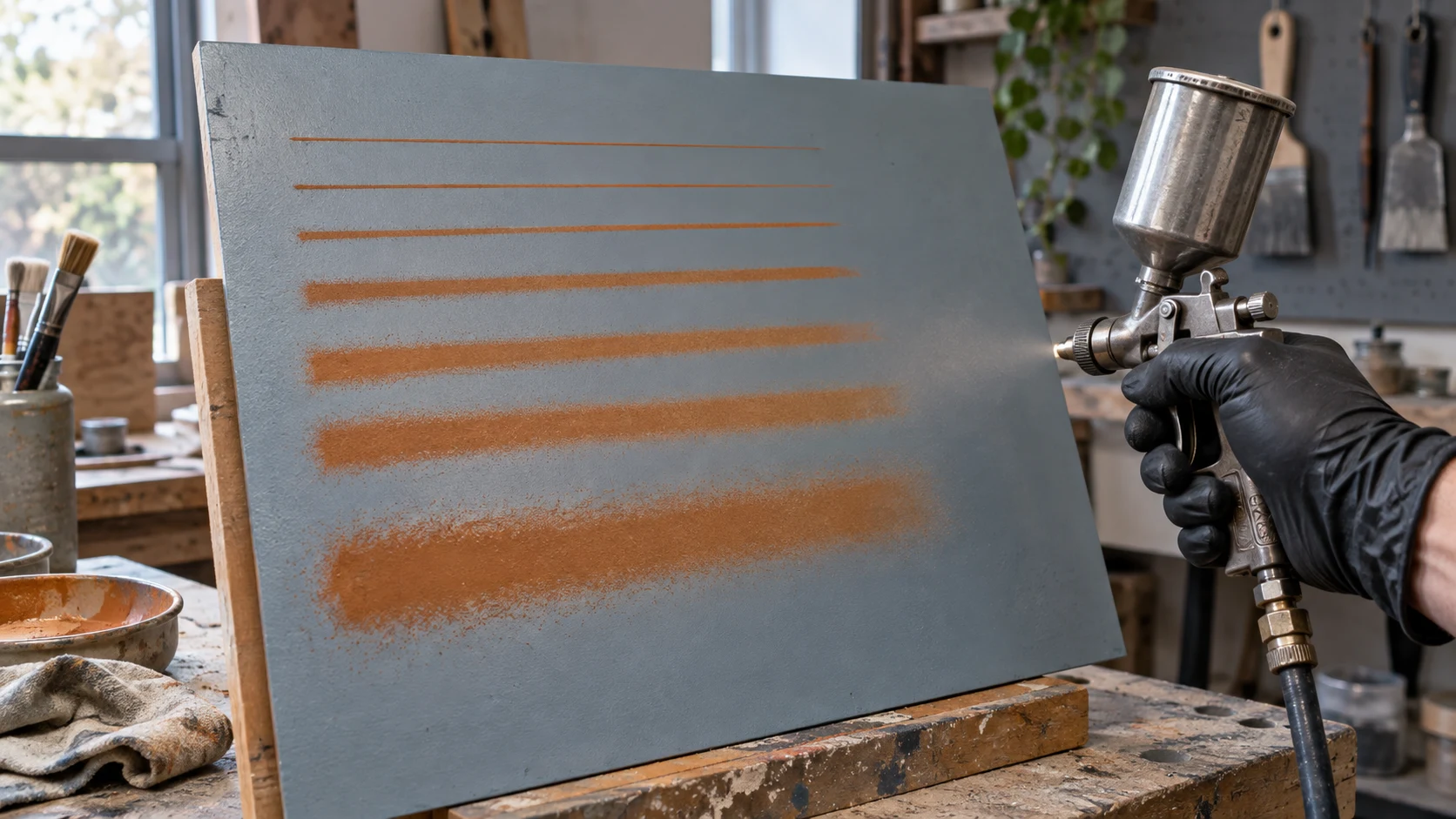
At Anya Quill’s beginner workshop on Sunday 30 August, the first exercise produced no finished picture. Participants made a line, changed one condition and made it again. A lighter grip, a slower movement or a different tool altered the result. The sequence gave the evening a workable vocabulary before anyone had to decide what their first artwork should represent.
Quill began with examples of public painting considered at two distances: the view from across a space and the view close enough to notice an edge. She asked the group to describe what survived the change. A complicated drawing could lose its subject from far away, while an apparently simple mark might keep a distinctive rhythm. The discussion then moved to the practice surface and the tools laid out beside it. Their purposes, handling limits and working-area instructions came before any demonstration. Beginners could start with a paint marker or brush; trying a spray tool was a separate, supervised choice rather than an entrance test for belonging to the group.
The early attempts are useful evidence; keep them visible long enough to learn what changed.
Bea Harker
The repeated-line exercise made useful comparisons possible. A broad stroke held next to a thin one showed how much weight an edge could carry. A line drawn over a dry colour behaved differently from one that crossed a still-tacky patch, and the resulting drag was something to observe rather than disguise. Quill encouraged participants to keep a little space between trials and leave the early attempts visible. That simple arrangement stopped the board from becoming an indistinct accumulation. It also meant a participant could point to an actual change when asking for help, instead of having to say only that something looked wrong.
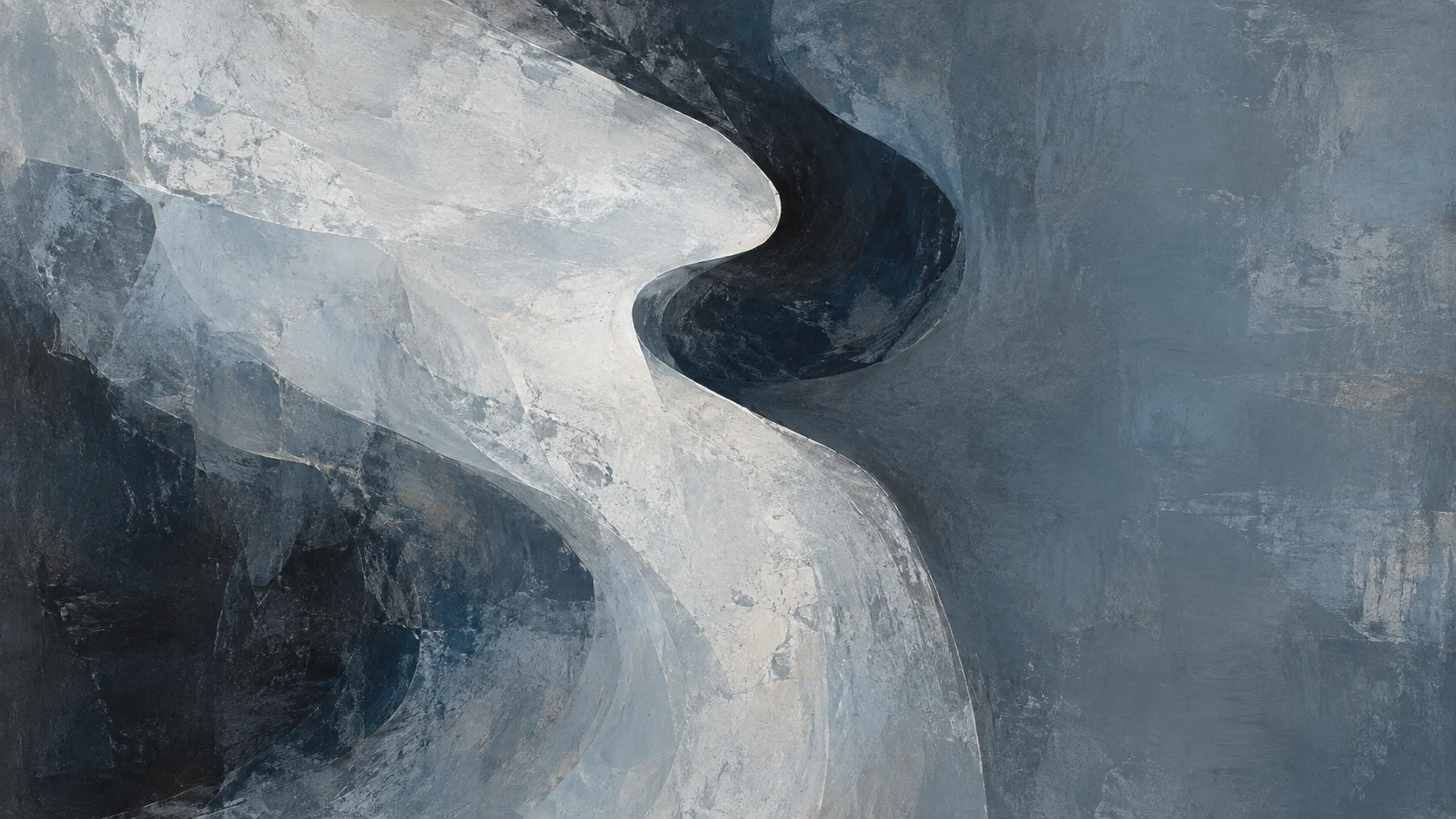
For the shared exercise, each person developed a small motif within an agreed area. The limits made collaboration tangible: the edge of one shape would sit beside somebody else’s, and a background colour could affect both. Before joining the parts, participants placed paper sketches together and tried the sequence in another order. Several attractive individual decisions became less convincing in company. The group adjusted spacing and reduced competing accents without needing every section to look alike. Quill kept the conversation attached to observable effects. She asked where a viewer would enter the arrangement, what might hold attention next and whether a crowded junction would benefit from a little unpainted ground.
The evening ended by returning to the first lines. Their purpose was now clearer, because the same choices of speed, width and interval had reappeared in the larger work. Participants could name one decision they wanted to practise again and one they would leave alone for a while. That is a more usable outcome for a first session than a demand to discover a signature style. The three-hour format of First Marks, Open Walls leaves room for this progression from trial to composition to reflection. Its workshop page sets out the illustrative Sunday offer and equipment provision; a local request preview does not confirm a future place.