

How Cassian Vale Built the Distance Inside Gesture Ledger
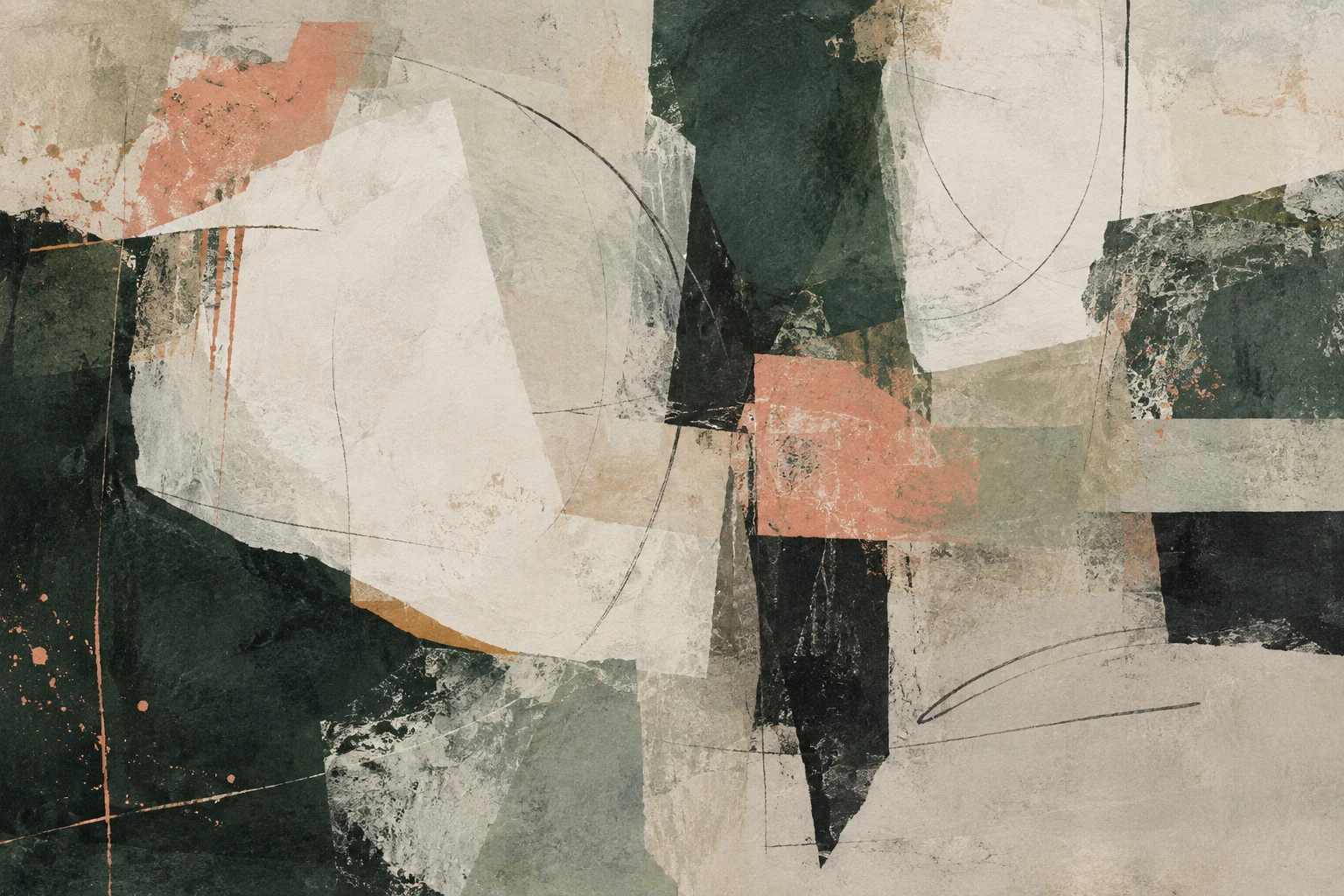
In Gesture Ledger, Cassian Vale treated the space between painted hands as carefully as the hands themselves. The exhibition, which ran from 14 February to 5 April 2026, explored how a familiar gesture changes when enlarged and placed against an emphatic field of colour. Looking back at its preparation reveals a sequence of practical decisions about drawing, surface and the distance from which an image begins to read.
The initial studies separated the gesture into a few relationships: one contour against another, a bent wrist beside a straight passage and a narrow interval held open between fingers. Vale compared versions with different amounts of descriptive detail. A carefully drawn crease could make a small study feel convincing while contributing little when the image was viewed from further away. Removing it did not necessarily simplify the work’s meaning. It could transfer attention to the pressure of two larger forms meeting. This was the central task of the drawing stage: deciding which particulars carried the gesture and which merely confirmed that the artist knew how a hand was assembled.
Enlargement tests which parts of a gesture carry its force and which merely describe its anatomy.
Bea Harker
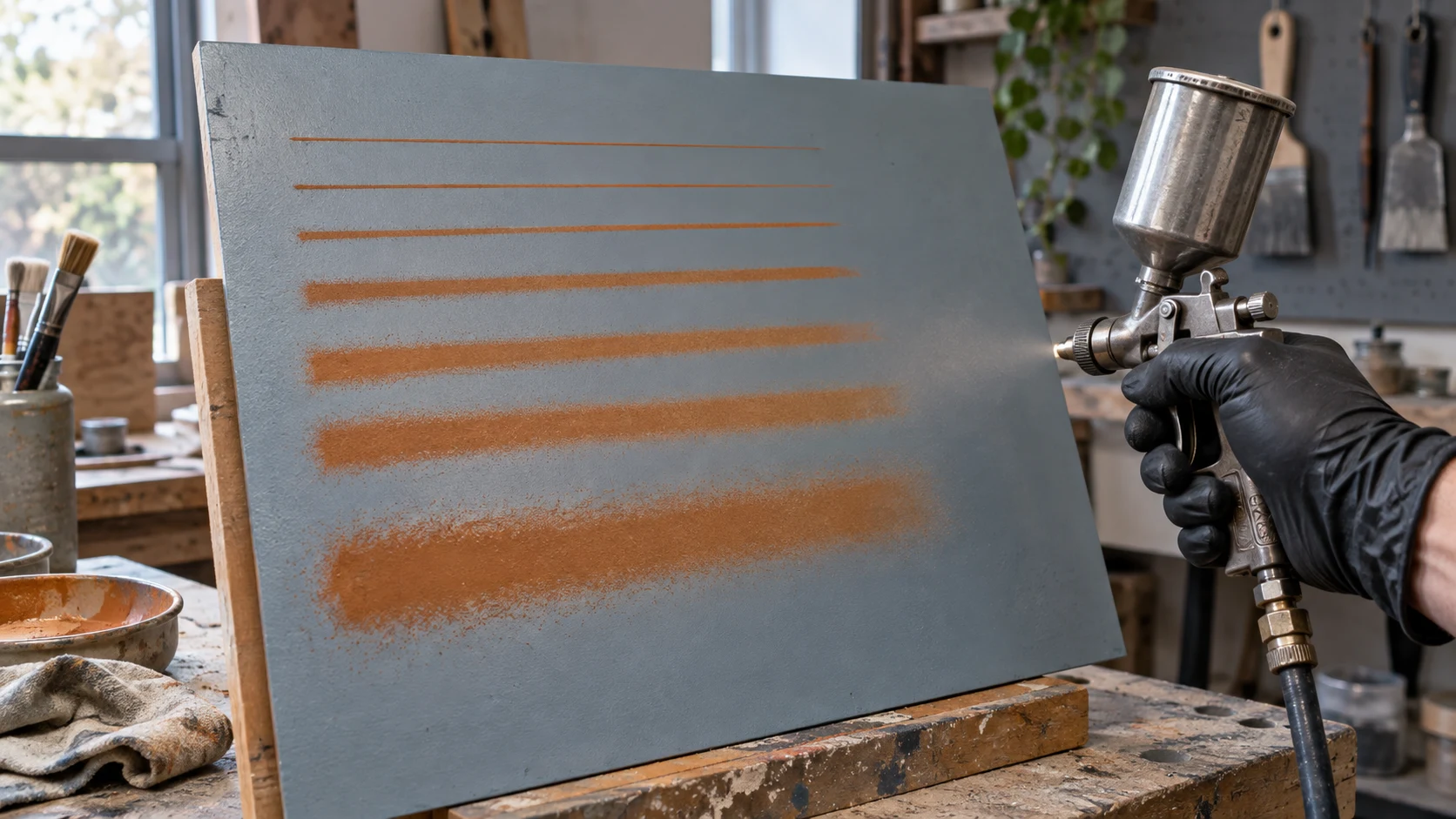
Material trials complicated those decisions. A contour painted across a rough support broke at points that a smooth sheet would have allowed it to pass. Filling every break produced a heavy edge; leaving every interruption visible could scatter the line until its direction was difficult to follow. Vale worked between those conditions, allowing some irregularities to remain and bridging others. Small sections tested at a larger scale were more useful than simply enlarging a complete sketch on paper. They showed how far an arm had to travel to sustain an edge and where a second stroke would meet the first. The join could be hidden, emphasised or made to coincide with a change in the figure.
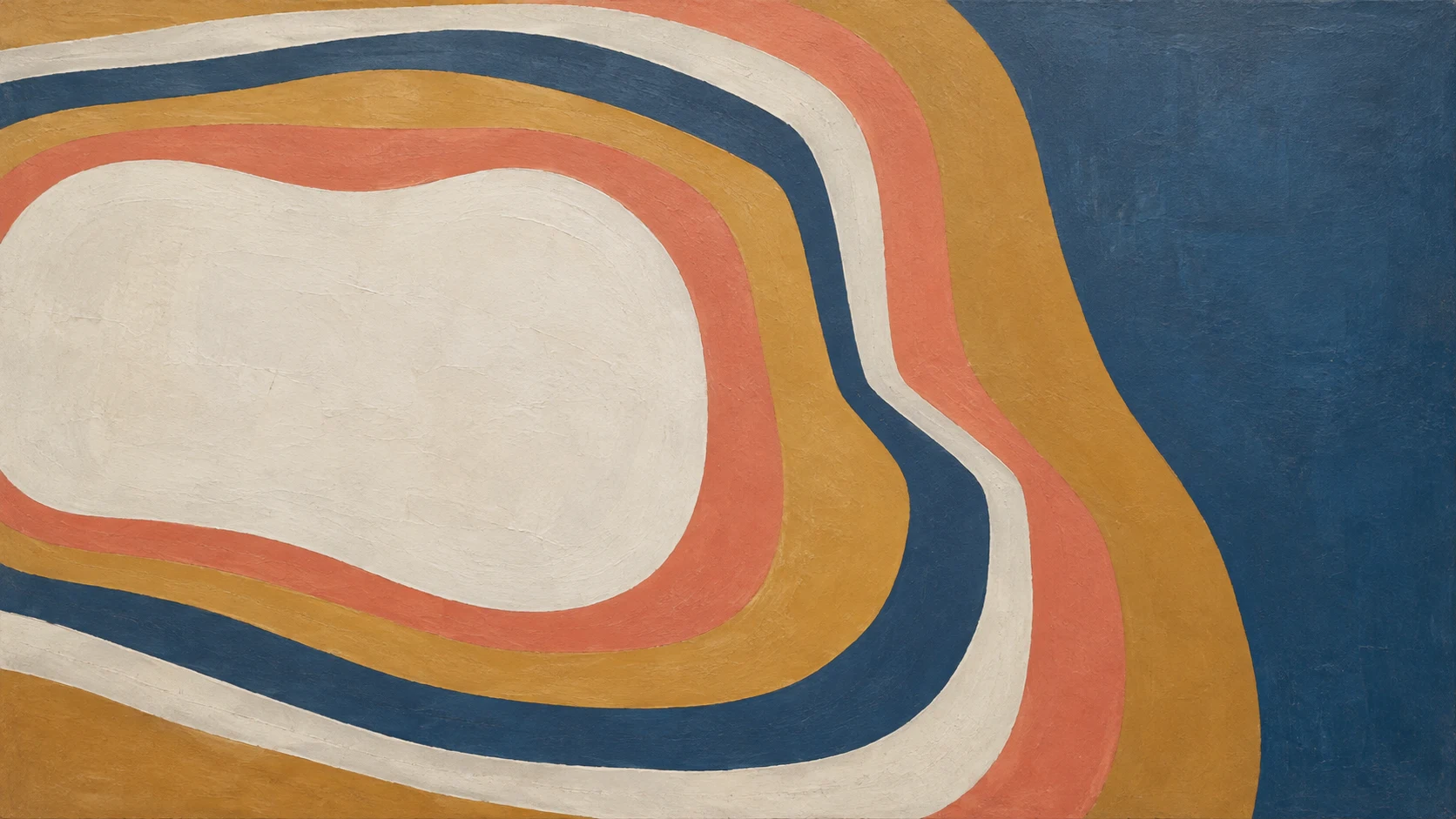
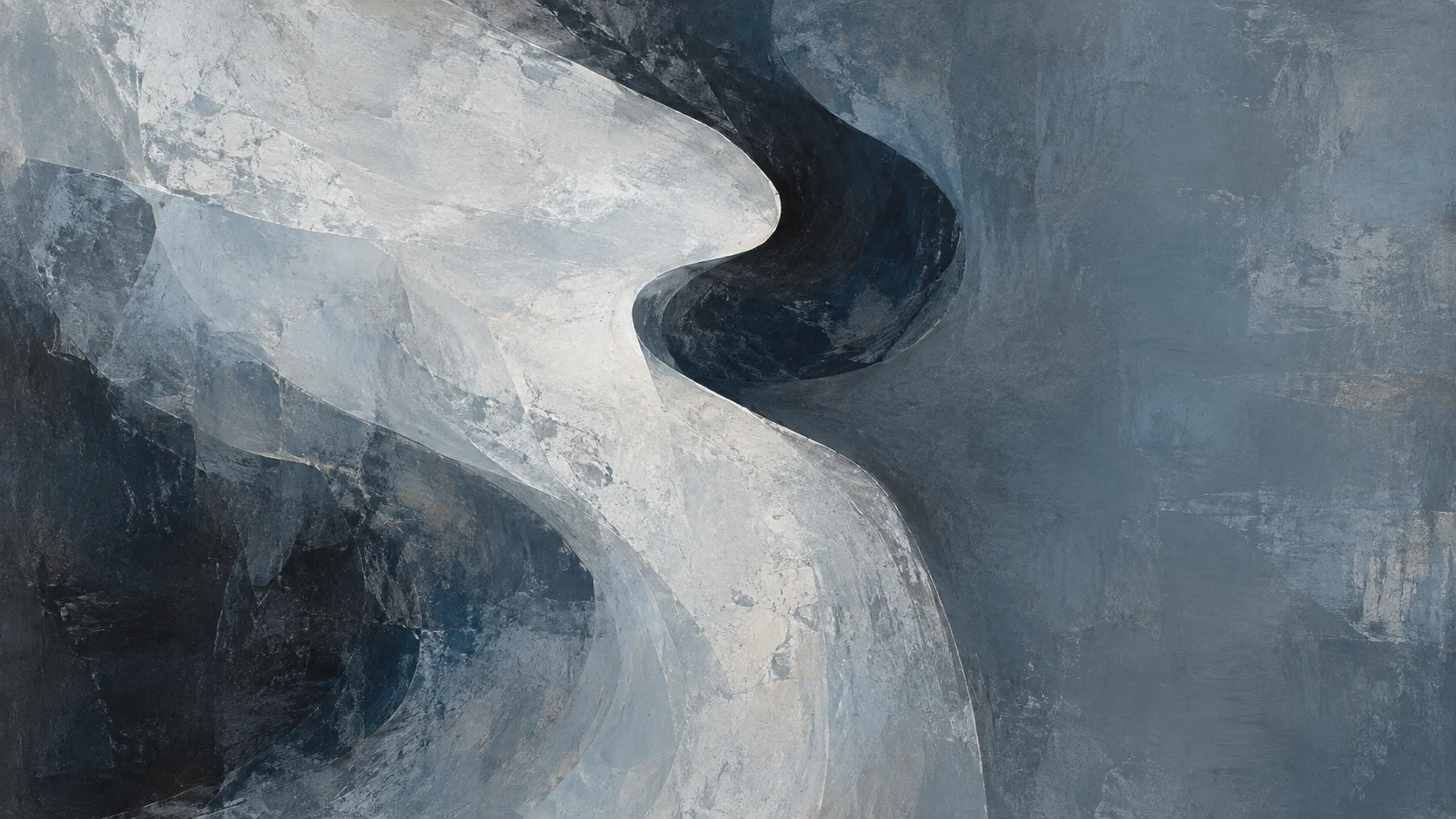
Colour entered as an active neighbour to the gesture. A strong surround could make joined hands appear still, compressed or isolated without changing their drawing. Rather than assign one colour a fixed emotional meaning, the installation offered comparisons of border, interval and emphasis. Its route moved from a broader figurative field towards fragments, letting the viewer carry a remembered whole into a closer examination. That sequence had to leave enough room for a detail to remain a detail. If every crop was enlarged to the same commanding scale, the difference between a bodily gesture and a small painted decision would have been lost. Unequal sizes preserved a useful hierarchy of encounters.
The exhibition’s process is worth revisiting because it resists an easy story of a private sketch becoming a larger, more powerful public image. Enlargement exposed weaknesses as well as possibilities. A line that worked within reach could lose authority across a room; a background treated as secondary could become the first thing a viewer noticed. Gesture Ledger made those reversals part of its subject. The hands remained recognisable, but recognition was only the entrance to a more specific act of looking. Follow the gap, the surrounding colour and the repaired edge, and the work begins to describe how a gesture is built for an audience whose position cannot be completely anticipated.