
Faces in Common examines how a painted face can remain recognisable after a band, mask or change of surface interrupts it. Suri Calder's exhibition begins with that persistent recognition, then asks what the interruption makes a viewer assume. A line across the eyes may be read as concealment, emphasis or simply a strong horizontal shape. The image does not decide among those readings by itself. The surrounding wall, the scale of the face and the time available to look all contribute to the story a viewer begins to tell.
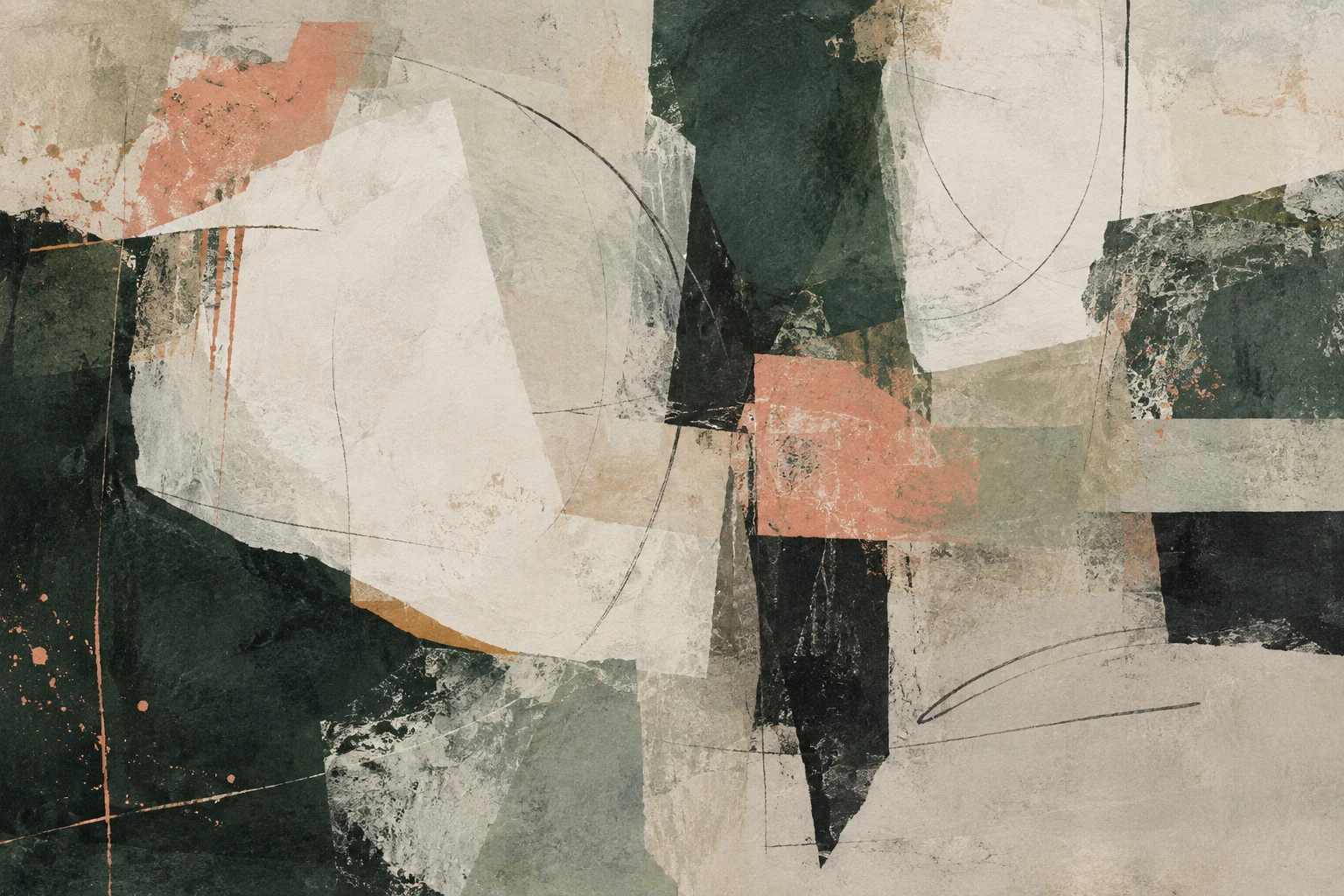
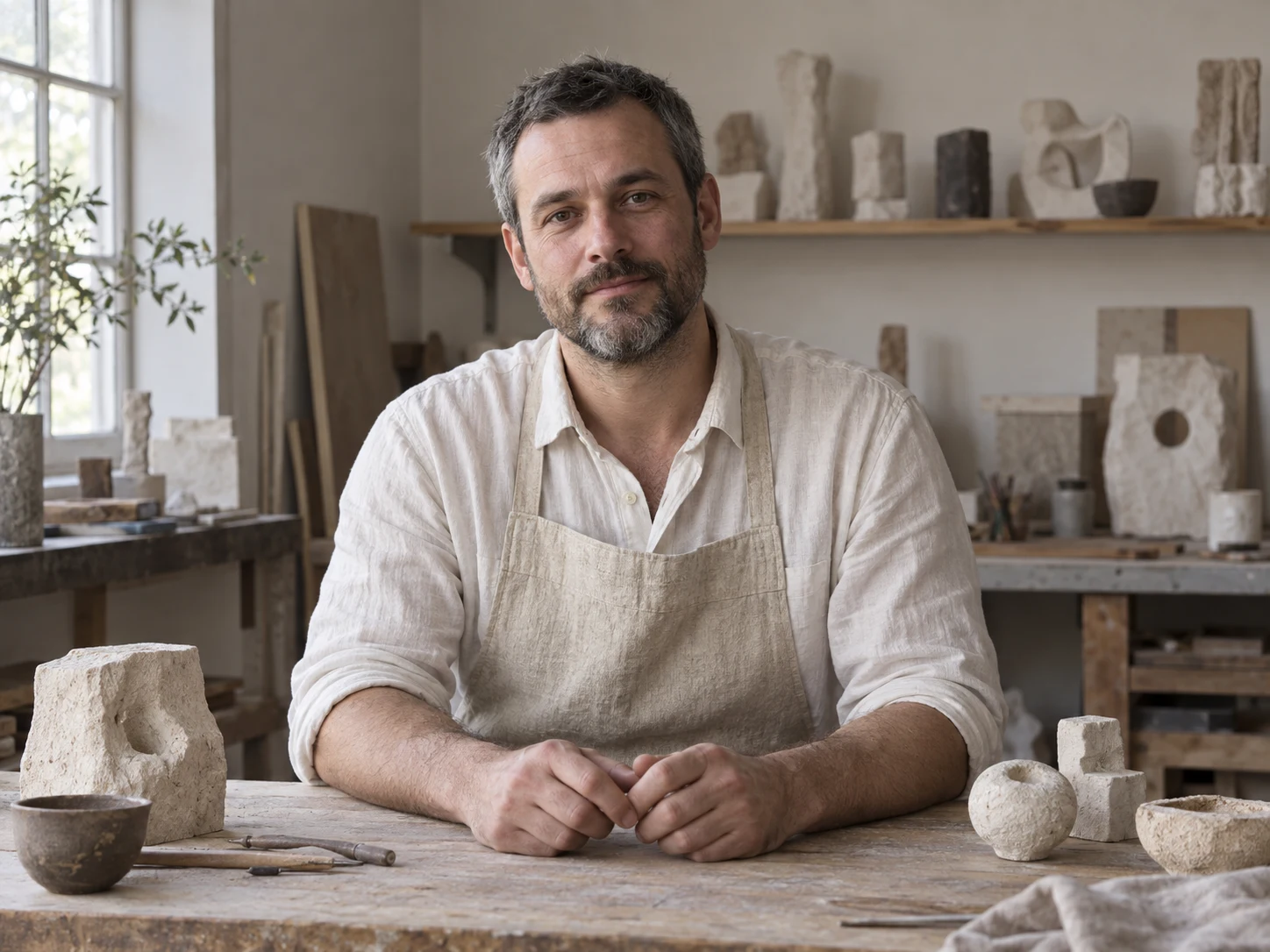
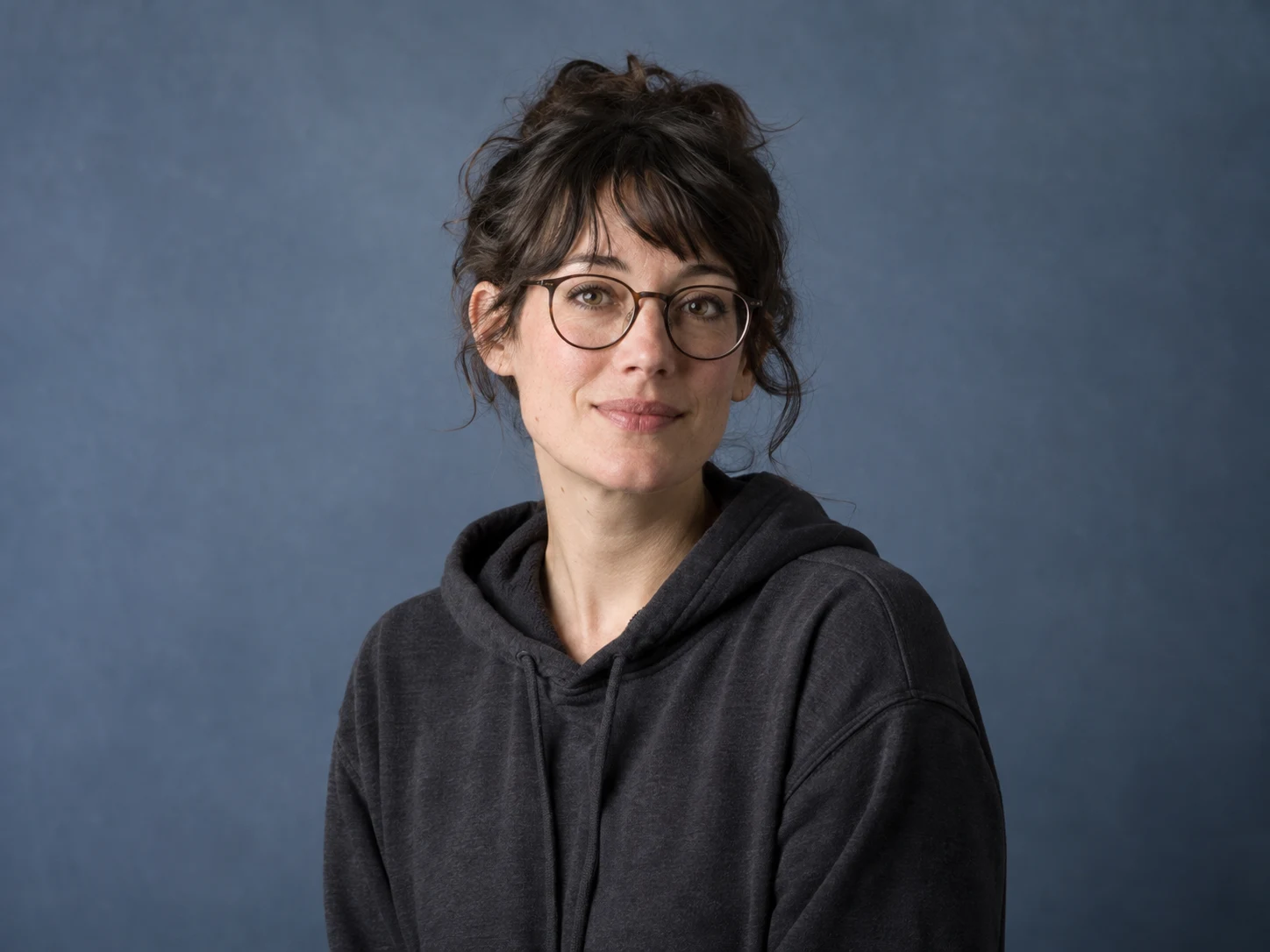
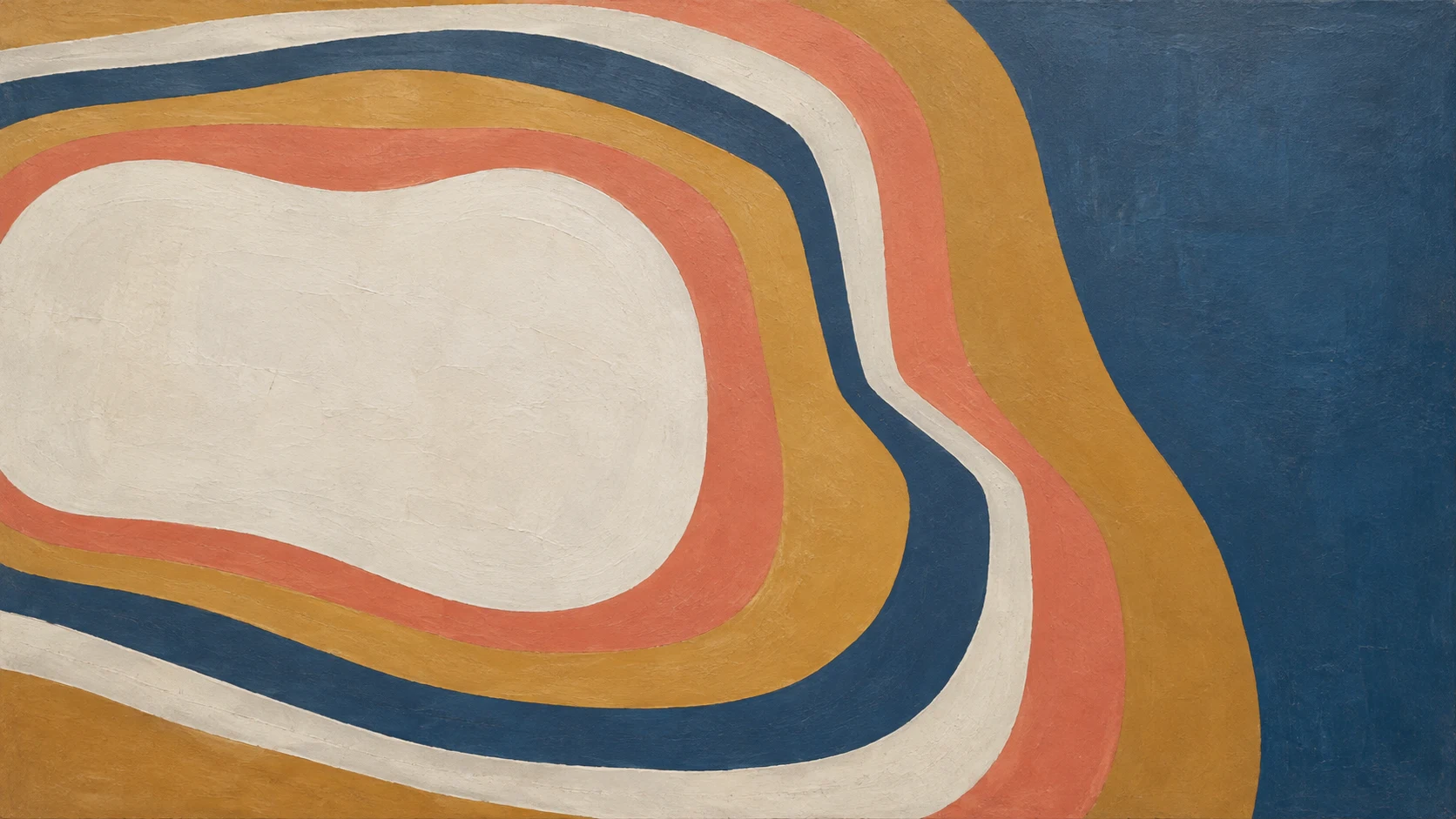
Calder's imagined process works through translations of a drawing rather than an attempt to preserve every detail of an original face. Proportions change, outlines become more emphatic and one fragment may acquire more weight than the rest. The illustrative sequence brings together painted eyes, raised hands and differently interrupted faces. These are reference images, not verified portraits or works by Calder. Their contrasts help the account distinguish a constructed image from a claim about a particular person's identity. Where an identifiable sitter is involved in the fictional working method, consent and intended use are considered before a composition is developed.
Name three things that are actually visible before describing an emotion. The gap between those two kinds of statement is part of this exhibition's subject.
The programme places Faces in Common between 26 September and 15 November 2026. Its title refers to a shared space of looking, not to the idea that one painted figure can represent everyone who encounters it. The exhibition gives attention to both a quick public glance and a slower inspection of a surface. Neither is treated as the only legitimate encounter. Instead, visitors are invited to return to the first feature that caught their eye and test whether it still carries the same meaning. Recognition can remain immediate even when the interpretation built on top of it becomes more careful.

A face, interrupted
Recognition happens quickly. Careful attention can take a different route.