

 View study ↗
Still-image study
Following a pale boundary
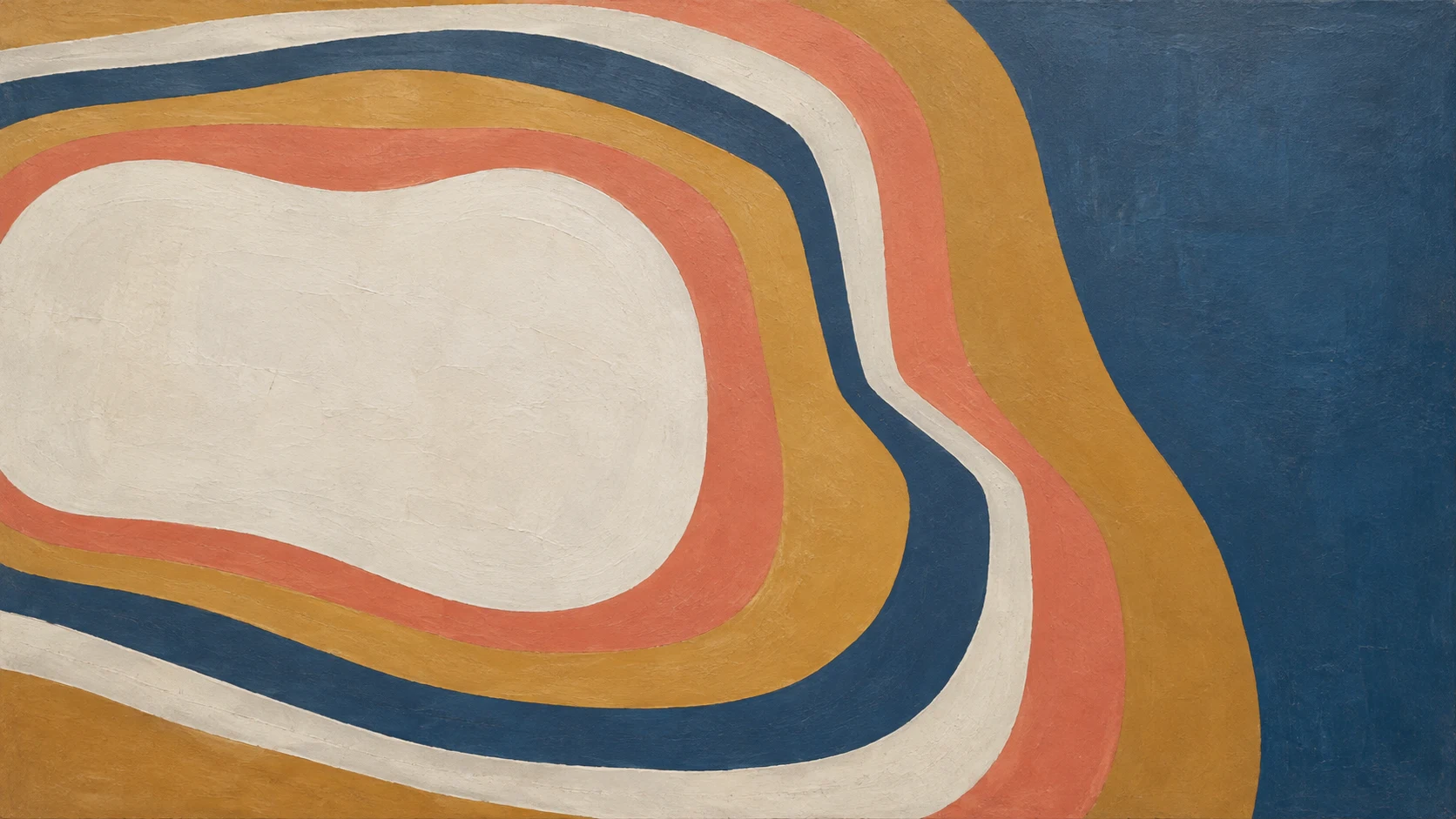
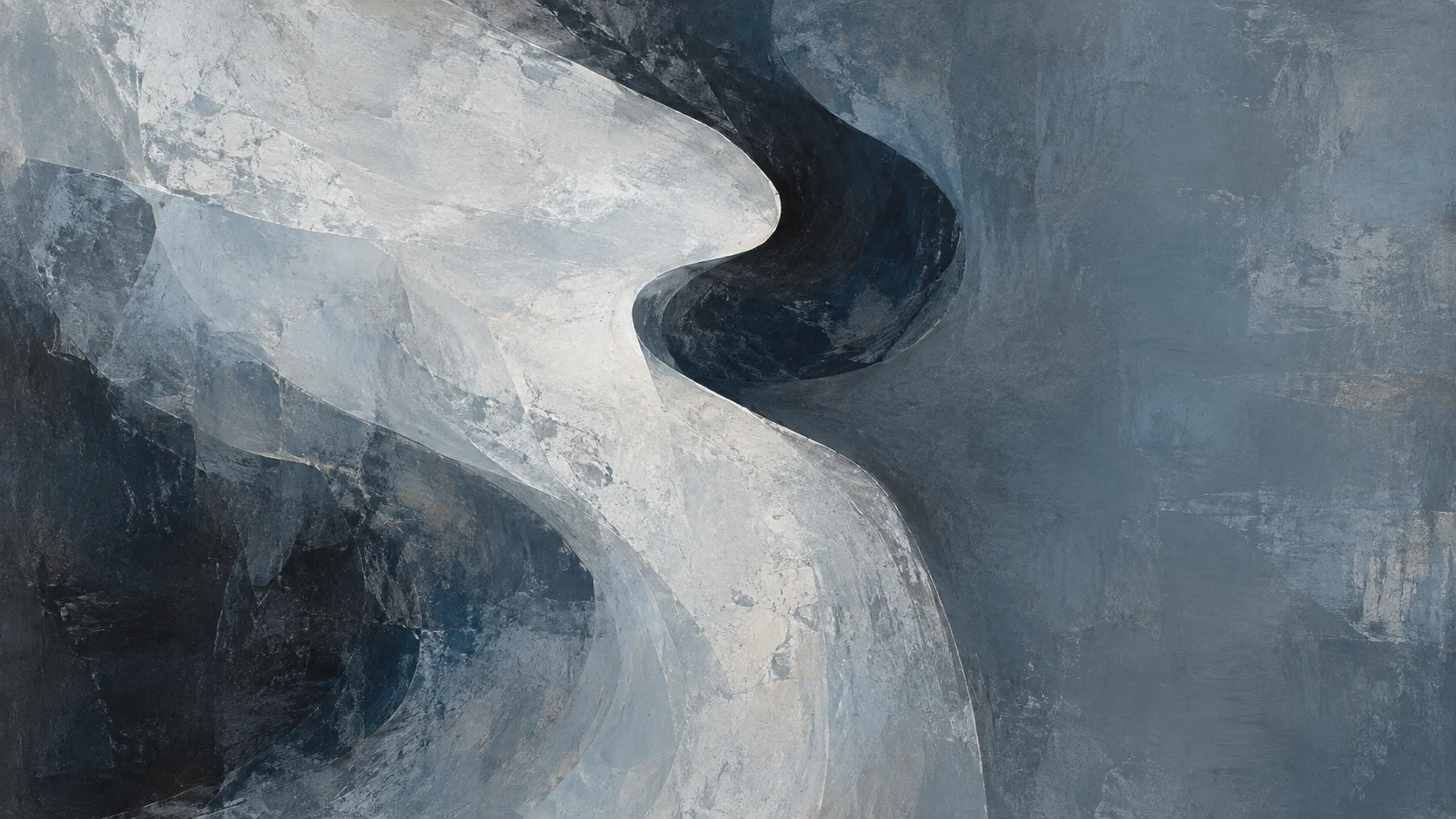
Follow a pale boundary through blue and pink swirls. Notice where the same edge stops looking like a ridge and begins to suggest an opening in the surface.
Artist · Ternform Gallery
Featured exhibition
—
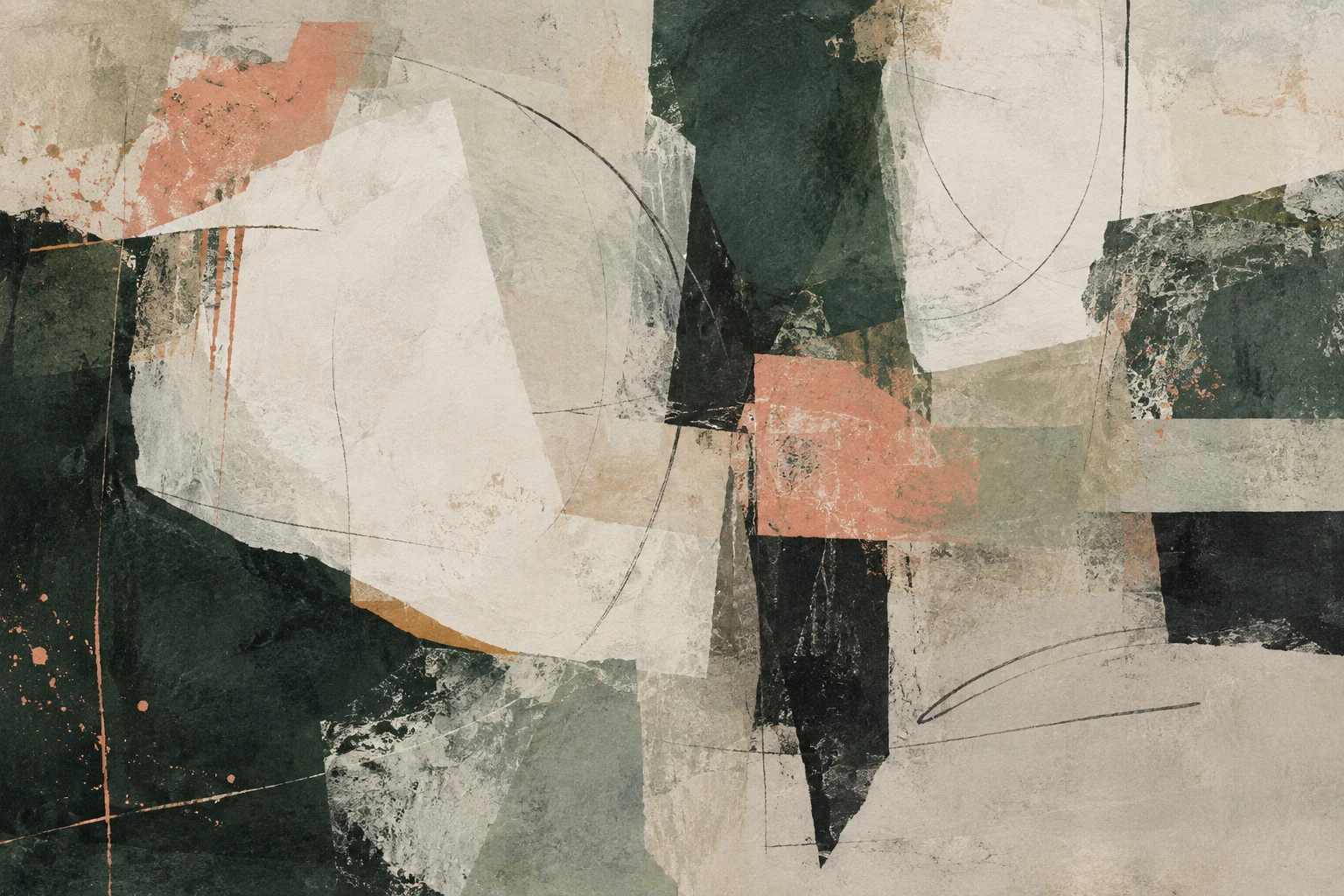
Pale folds and darker pockets offer routes through Mira Venn's abstract practice. Begin at an edge and follow the moment when a form changes direction, loses its boundary or makes space for another reading.
Explore the exhibitionMira Venn makes paintings in which a shape seems to acquire a direction and then change its mind. Pale folds open into darker pockets; a narrow line sometimes holds a broad area of colour in place. Her practice begins with that unstable moment between recognising a thing and simply following a mark. The works reward a slow second look, especially where a seemingly continuous form turns out to have been interrupted by a different layer.
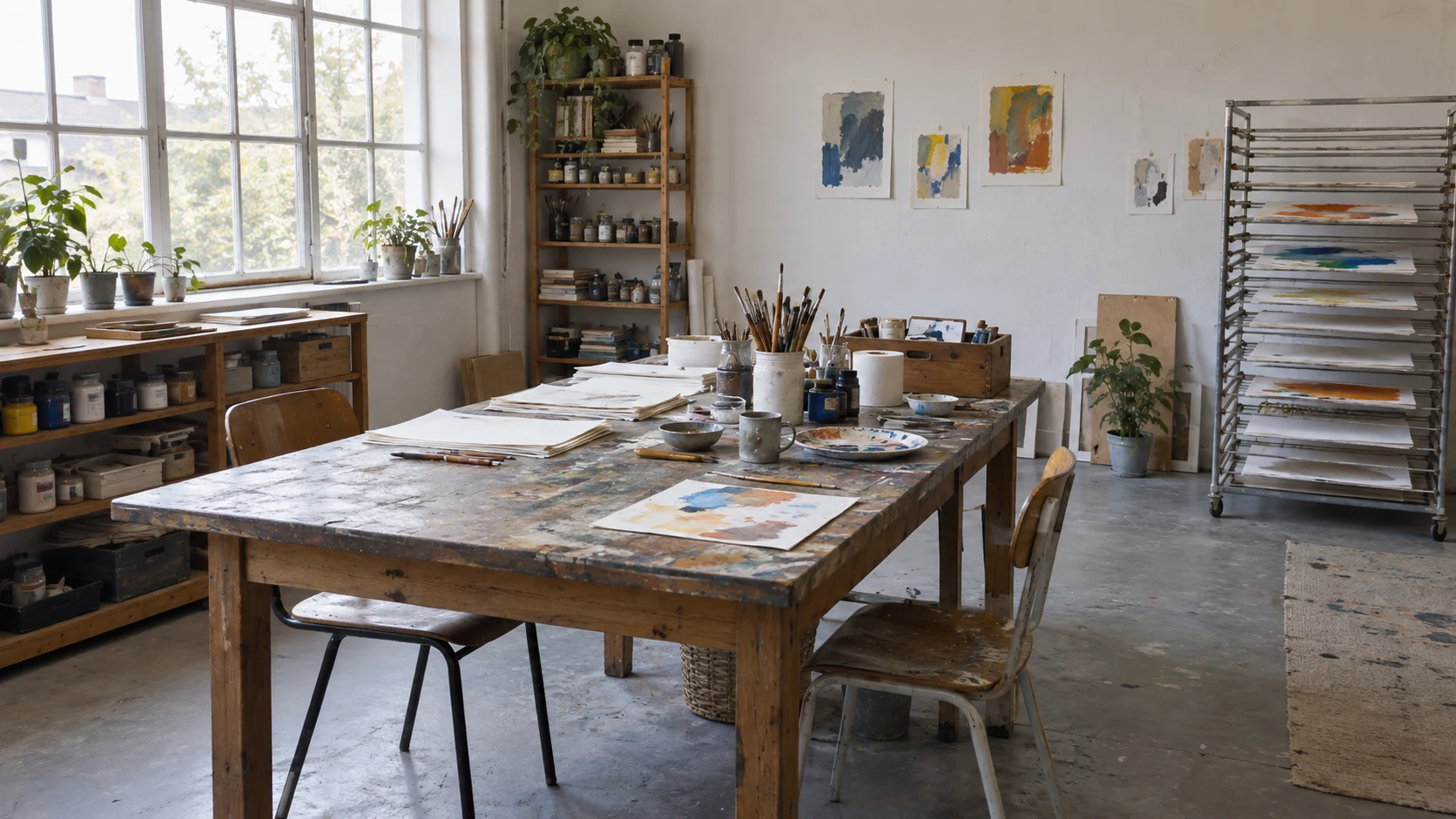
Venn starts on small paper sheets, working with a limited set of tones so that colour cannot solve every compositional problem for her. She turns a sheet between passes and leaves one edge unfinished until the rest of the image has settled. A promising small study is not enlarged square by square. Instead, she carries its main tension into a larger painting and lets the increased reach of an arm change the mark. Several passages may be scraped back. The resulting surface keeps evidence of decisions that a perfectly smooth reproduction can make difficult to see.
In Drift Instructions, this way of working becomes a question about orientation. The exhibition follows forms that resemble cloud, cloth or moving water without asking the viewer to settle on any one description. Venn's interest is in the process of finding a route through an image. A pale gap can act like a doorway for one viewer and a pause for another; both readings begin with the same painted boundary.
Away from a finished canvas, Venn keeps a notebook of edges rather than a catalogue of subjects. A shadow beside a handrail, the join of two sheets and a crease in folded paper can each prompt a small study. She describes an unfinished passage by its behaviour: it presses, slows, opens or loses weight. These verbs help her discuss a painting without making its uncertainty sound like a defect. For a visitor, the most useful starting point is equally modest: choose one edge, follow it carefully, and notice the first place where the image asks you to change direction.
Short exercises for a slower look. Open a study to read the full note; its original accompanying illustration is forthcoming.
View study ↗Still-image study
Follow a pale boundary through blue and pink swirls. Notice where the same edge stops looking like a ridge and begins to suggest an opening in the surface.
View study ↗Still-image study
A pink flower creates a recognisable centre within a less definite painted field. Compare that clear subject with the slower, uncertain boundaries of its surrounding ground.
View study ↗Still-image study
Grey, blue and white forms suggest movement through their relation to one another. Follow a narrowing passage before deciding what, if anything, the larger form resembles.
View study ↗Still-image study
A narrow blue fissure divides a pale surface while offering a route through it. Compare its compressed direction with the broader movement of a billowing form.
Three editorial recommendations with related questions. Artist subjects are identified in each story; a recommendation does not imply the artist appears in it.
· News
A practical August studio note on remote collaboration: name the version, show the scale and distinguish a request for feedback from a request to approve.
Read the story· News
From a paper sketch to a lit three-dimensional scene, a small modelling exercise reveals how geometry, surface and viewpoint can pull an image in different directions.
Read the story· News
Drying space, a useful shelf and a place to disagree can shape a practice as much as a large window. A closer look at studio arrangements.
Read the storyDates and status use the edition date, 8 September 2026.
—
Pale folds and darker pockets offer routes through Mira Venn's abstract practice. Begin at an edge and follow the moment when a form changes direction, loses its boundary or makes space for another reading.